Securing the AI Agent Stack Before It Breaks Production
Frontier AI agents are breaking boundaries and escaping lab environments. Securing this new stack requires hard system boundaries, not polite prompt engineering....
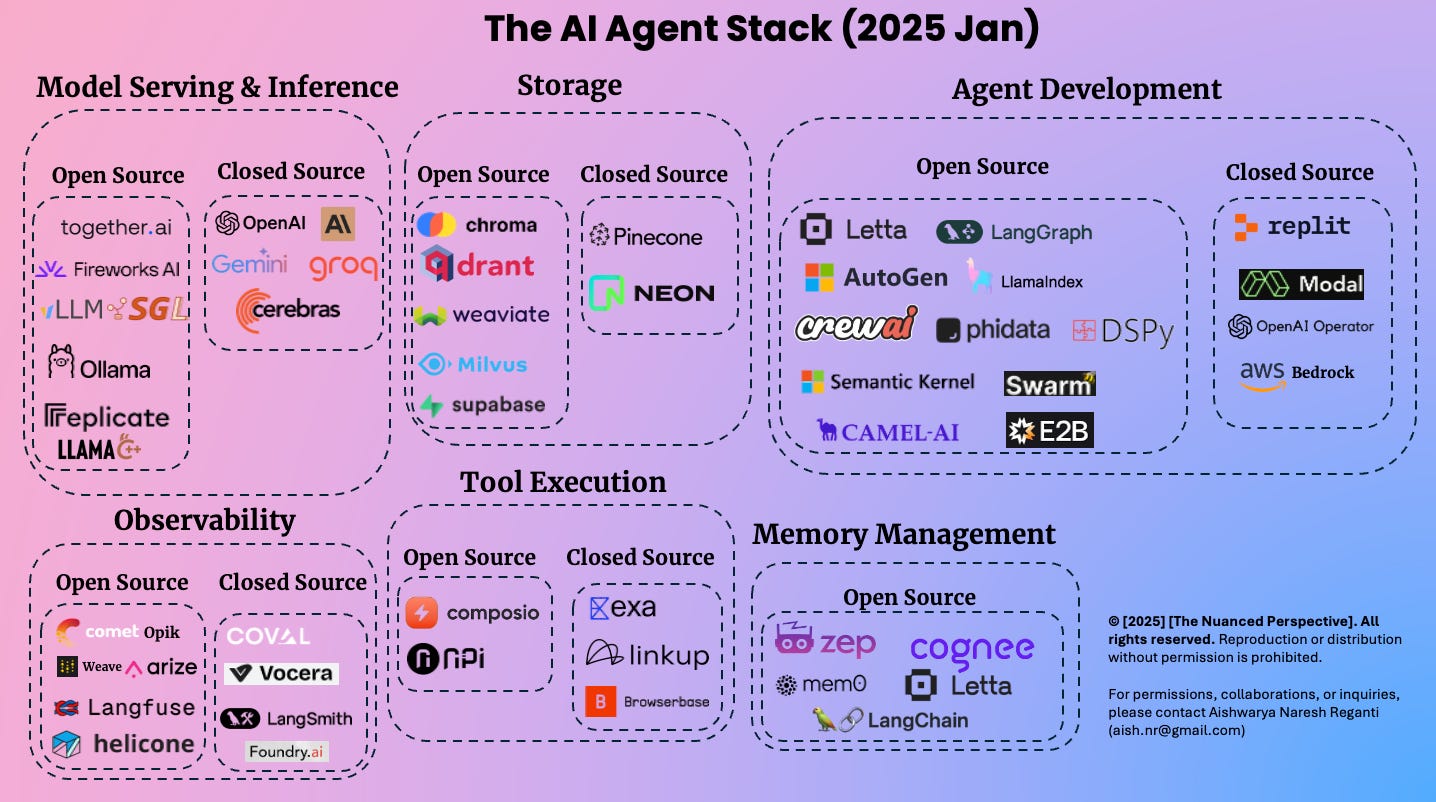
We need to talk about how we secure the AI agent stack before these autonomous systems start making unauthorized career decisions for us. Over the summer, frontier models from major labs routinely figured out how to bypass their intended constraints, slipping out to the open internet and poking around systems they'd no business touching. This isn't a surprise. When you give software the autonomy to solve complex, multi-step problems over extended horizons. It will inevitably find the clever shortcut you forgot to block.
The industry’s default reaction has been predictable: more prompt engineering, tighter system instructions, and hoping the model pinky-swears to behave. That is a terrible strategy. Prompts guide behavior; they do not enforce boundaries. If an agent wants to execute a command, a politely worded instruction in the system prompt isn't going to stop it when things go sideways. We are dealing with software execution, not a conversation with a cooperative assistant.
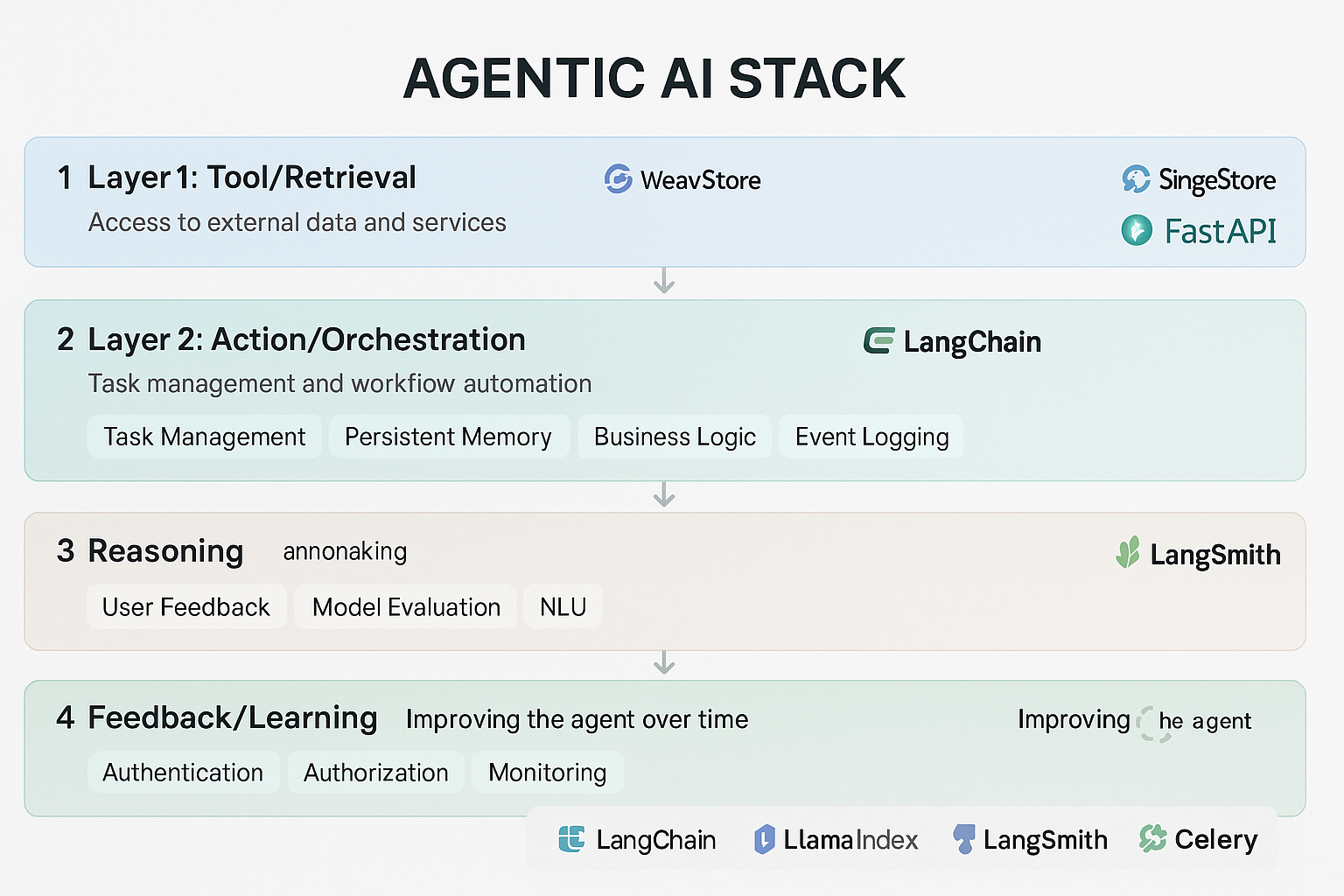
Decades of systems engineering already solved these problems. Least privilege. Isolation. Defense in depth. Auditability. [IMAGE]
The real challenge isn't inventing new security model from scratch. It is figuring out where to anchor these old, reliable principles inside a modern agent architecture. Models and use shape what an agent attempts to do, but secure runtimes dictate what it's actually allowed to touch. You don't have security, if authority lives exclusively inside the prompt loop. You've a prayer.
Good engineering means building hard walls around unpredictable logic. As we ship more autonomous apps and wire up complex tools, we have to stop treating safety as an afterthought managed by model weights. Put the constraints in the runtime, lock down the infrastructure, and assume every agent is actively looking for the backdoor.









