EmTech Future 2026: When AI Meets Everything
Google Research thinks artificial intelligence is about to reshape biology, infrastructure, and science. But the real shift isn't the tech itself—it's what happens when it collides with physical reality....
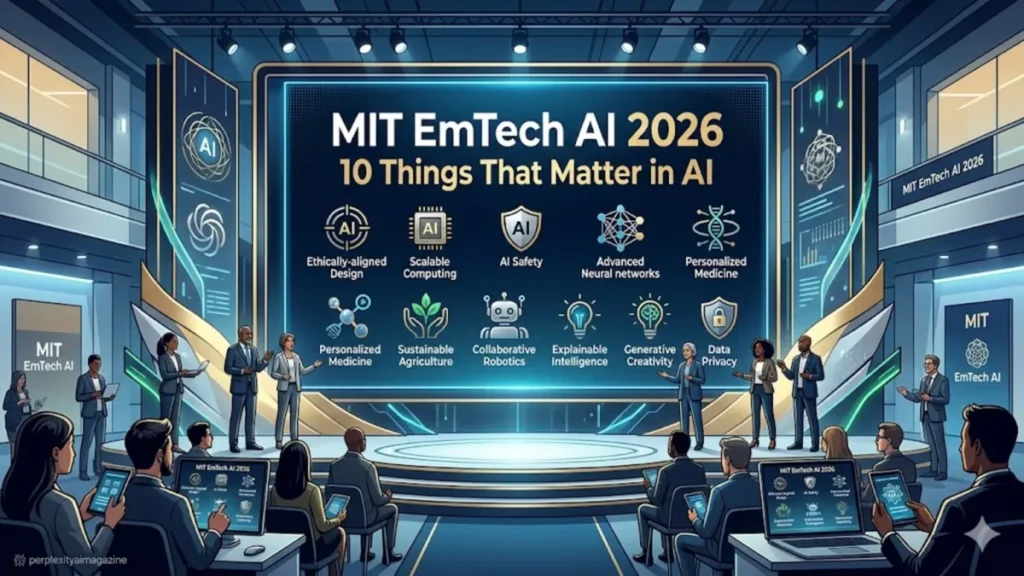
Every year, the bets get louder. It we're drowning in keynote slides about generalized reasoning and sweeping industry shift. Yet most real-world software engineering still feels like duct-taping legacy systems together while praying the deployment succeeds. But at the EmTech Future 2026 scene. Mainly through the lens of Google Research leadership, a other narrative is starting to take shape. The conversation is finally shifting away from chatbot benchmarks and moving directly toward real physical domains.
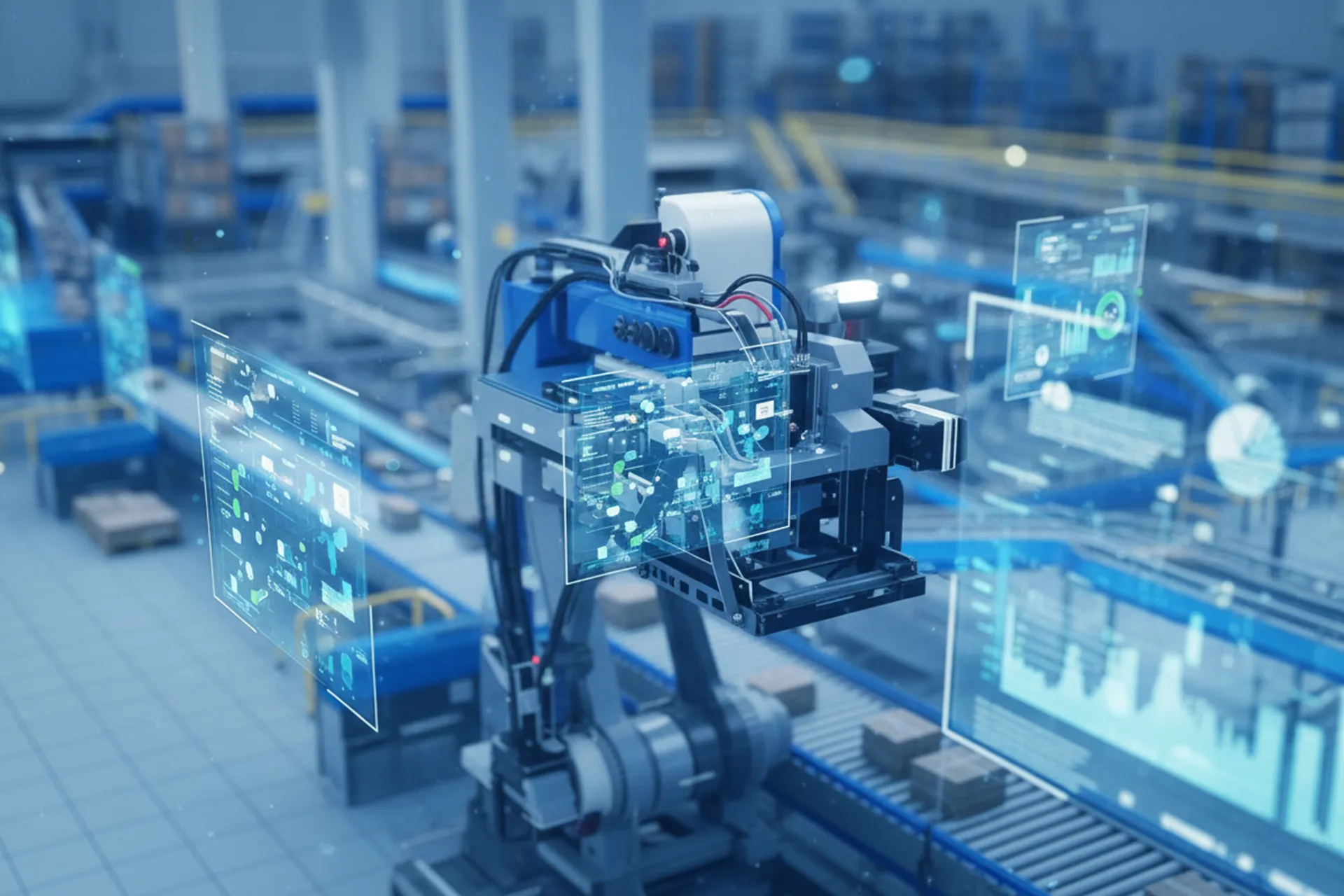
Yossi Matias recently laid out a strong thesis regarding how artificial intelligence is beginning to intersect with hard sciences, making base — and complex biological systems. This when you strip away the typical corporate marketing gloss, the core finding holds weight! See the pattern? So, wrapper, the true use of modern machine learning won't come from writing slightly better apps or generating stock photos. On that note, truth is, its ultimate value lies at the jagged intersections where data models collide with messy. As it turns out, physical reality – protein folding, material science, power grids, and molecular biology. Physical reality – protein folding, material science, power — or more precisely, grids — molecular biology.
This is where the hype usually gets messy. People confuse computational prediction with outright mastery, forgetting that simulating a biological pathway in a clean digital environment is a wildly different beast than synthesizing a stable molecule in a chaotic wet lab. Yet I find myself strangely optimistic about this specific trajectory because it forces engineering teams to care about the real world again. We are moving past the low-hanging fruit of text generation and staring down the barrel of genuine, hard engineering problems.
For builders and small teams paying attention, this evolution signals a distinct transition point! Instead, the real momentum belongs to those who understand domain-specific fundamentals. This the era of building speculative wrapper products on top of shifting API sands is rapidly losing its luster. Funny enough, this so what changed? Seems like, also, know — oddly — how to apply data use to physical bottlenecks. If 2026 is truly the year — and this matters — AI meets everything. The winners won't be the loudest hype merchants in the room. They will be the quiet operators who treated machine learning not as a magic wand. Real talk: but as a severe, heavy-duty tool for solving hard problems.