Why Forcing DLSS 5 on an RTX 4080 Is a Mistake
Slapping bleeding-edge neural rendering onto last-gen silicon sounds like a fun experiment. Until the frame drops hit....
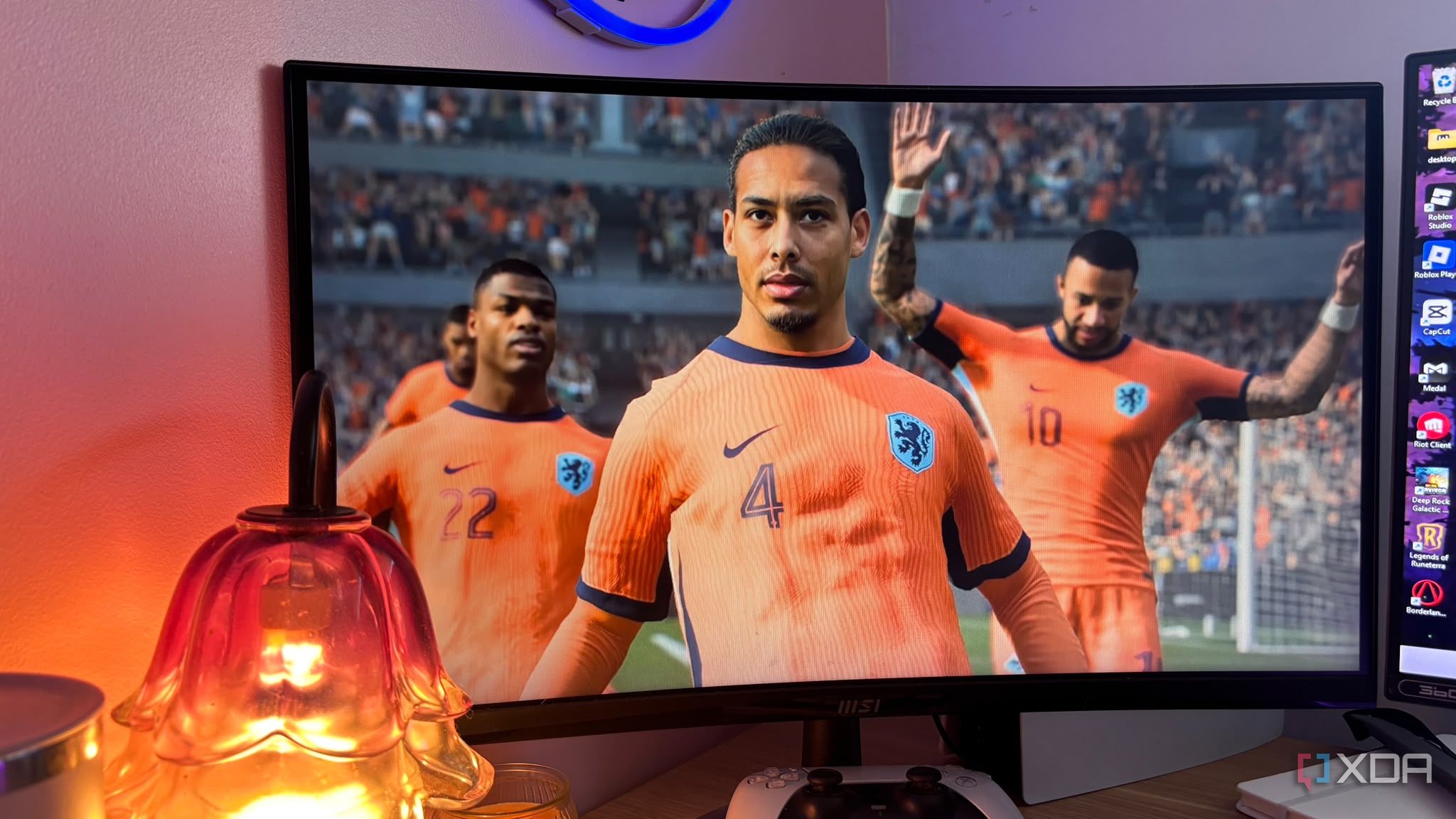
Tech marketing loves a good generational leap. We are told that every new software layer or silicon revision will completely rewrite what our hardware can achieve, turning yesterday’s powerhouse into a quaint paperweight overnight. So when I managed to get DLSS 5 running on my RTX 4080, I expected heavy resource consumption. I expected some thermal strain. What I did not anticipate was an immediate, visceral regret that had me hunting for the toggle switch within minutes of booting up the game.
Let's be clear about what changed. This isn't just a clever evolution of temporal upscaling or smart frame generation. We are looking at a fundamental pivot toward full neural rendering, complete with real-time 3D-guided lighting pipelines and complex geometry reconstruction that demands an absurd amount of compute. The Blackwell architecture has the specialized tensor muscle to handle these massive inference workloads without breaking a sweat. But the Ada Lovelace generation? It chokes. The fourth-gen tensor cores simply lack the specific silicon-level optimizations required for this kind of heavy lifting, creating a brutal pipeline tax that completely destroys your frame rates and introduces agonizing input latency.
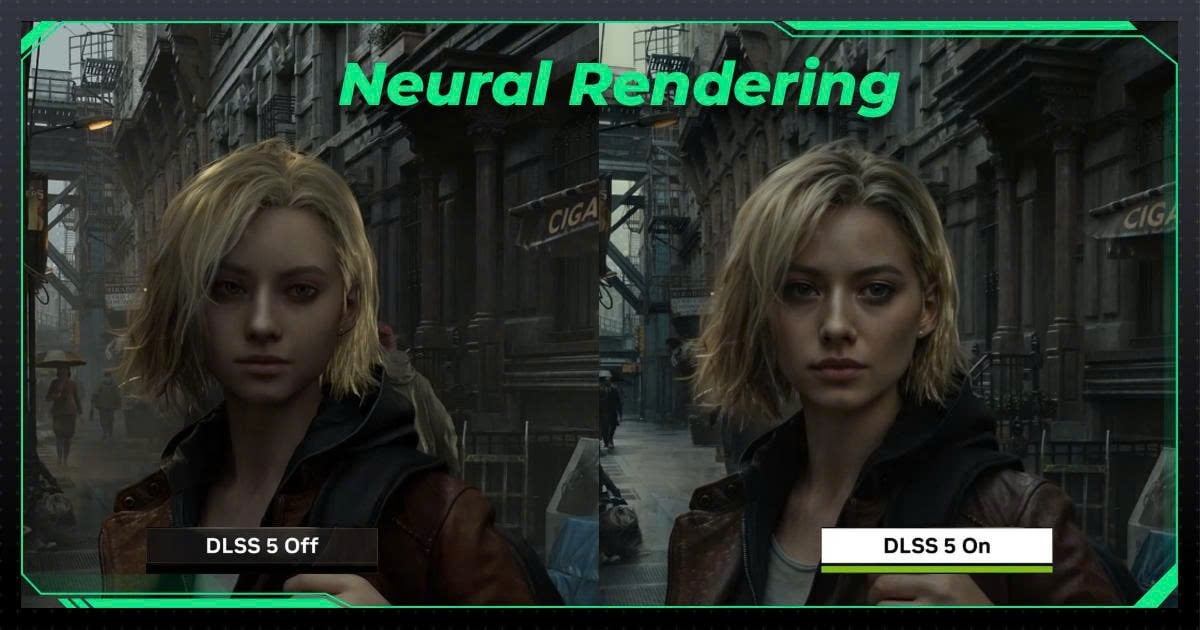
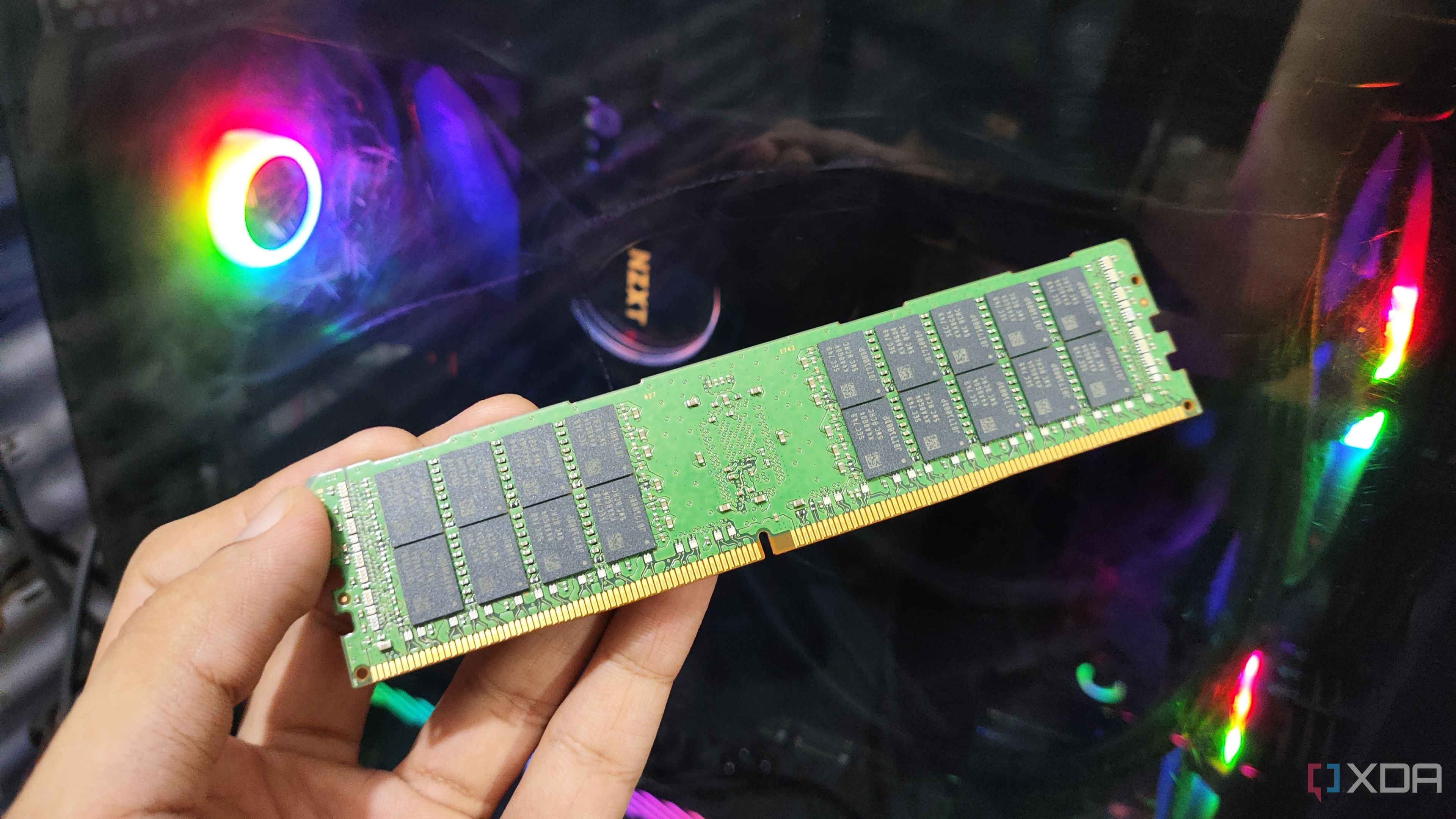
Memory overhead is where the whole house of cards really collapses. Pushing real-time neural geometry and lighting through a 16GB buffer that wasn't architecturally designed for this specific workload leads to brutal stuttering during asset streaming. Frames drop out entirely. The uncanny valley deepens, giving you nightmarish visual artifacts alongside crippled performance. You end up with a net loss. A feature designed to elevate visual fidelity instead delivers an experience substantially worse than mature, well-optimized older iterations of the same technology.
We need to stop pretending that software backwards compatibility is always a noble engineering pursuit. Sometimes, hardware has hard limits. Pushing forward requires respecting physical and architectural boundaries rather than trying to force new model onto aging silicon through sheer brute force and driver hacks. I turned it off. You should too.