Oregon Data Centers Face a Brutal Political Reckoning
A quiet grassroots revolt in Oregon proves that communities are finally waking up to the staggering hidden costs of the big tech infrastructure boom....

For years, tech giants rolled into rural and suburban towns bearing promises of high-tech prosperity, green job pipelines, and a glittering digital future that somehow always required massive public subsidies to actually materialize. Local politicians rolled out the red carpet, signed away hundreds of millions in property tax exemptions without reading the fine print, and assumed voters would simply marvel at the blinking lights of the server farms humming quietly in their backyards. They were wrong. In Oregon, that complacency just cost incumbents their seats and triggered a fierce statewide backlash against data centers that should serve as a stark warning to lawmakers everywhere who think they can quietly sell out their constituents to the highest-bidding cloud provider.
The friction isn't just about abstract land-use policy or esoteric tax structures; it is about real, finite assets disappearing right before people's eyes. The when a rancher in Prineville discovers their water allocations have been quietly choked off to feed the insatiable cooling loops of multi-story server barns. Or when residents watch agricultural acreage paved over while schools scrape by on crumbs, the illusion shatters. Groups like 1000 Friends of Oregon didn't wait for permission to organize. They looked at what happened in Virginia – where local politics were swiftly captured by real estate interests and massive tech footprints. By the way, and realized they'd roughly one election cycle to push back before the lobby became too entrenched to fight.
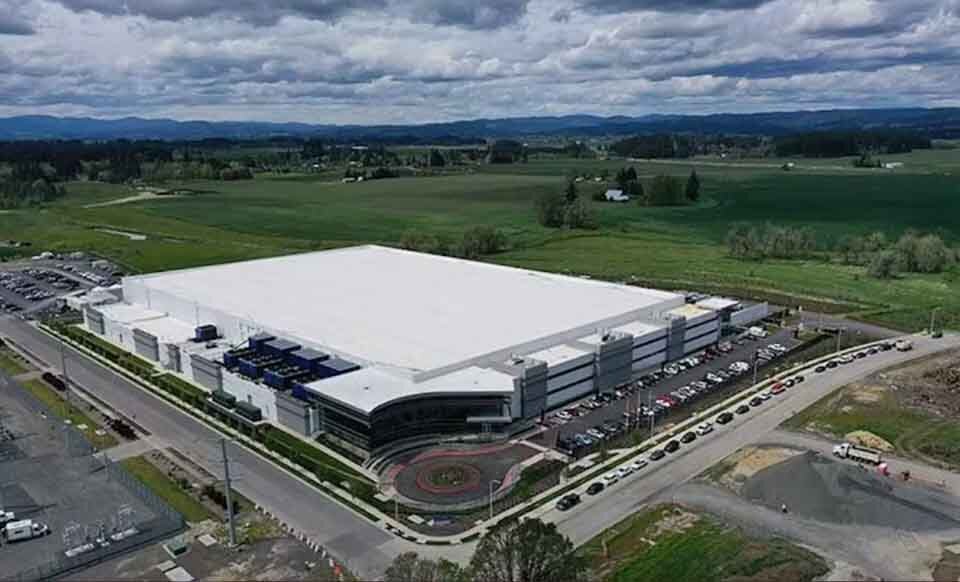
What makes this movement fascinating isn't just the speed of the revolt, but the coalition it forged — at least for now. The farmers, environmentalists, educators — everyday taxpayers suddenly found themselves standing shoulder-to-shoulder against a political class that tried to fast-track tax double-downs and sweetheart incentive deals behind closed doors. In a way, when a local senator tried to open up nearly two thousand acres of prime farmland to industrial development just as unforgiving. A statewide moratorium loomed — and the pushback was immediate. Lawmakers discovered too late that handing out $450 million in tax breaks. If you think about it, public services starve is a great way to unite a very angry electorate.
Tech infrastructure is vital, but treating local communities as disposable sacrifice zones for server capacity is a failing strategy. If the industry wants to build the future, it needs to start playing fair with the people who actually live next to the grid, share the local water table, and foot the bill when the tax revenue dries up. The free ride is hitting a wall. And frankly, it's about time.