Fixing the RTX 5090 Melting Power Connector Saga with Pure Engineering
A clever hardware modder has tackled the notorious RTX 5090 melting power connector issue by distributing the load across custom lines, proving that sometimes raw engineering beats out factory specs....
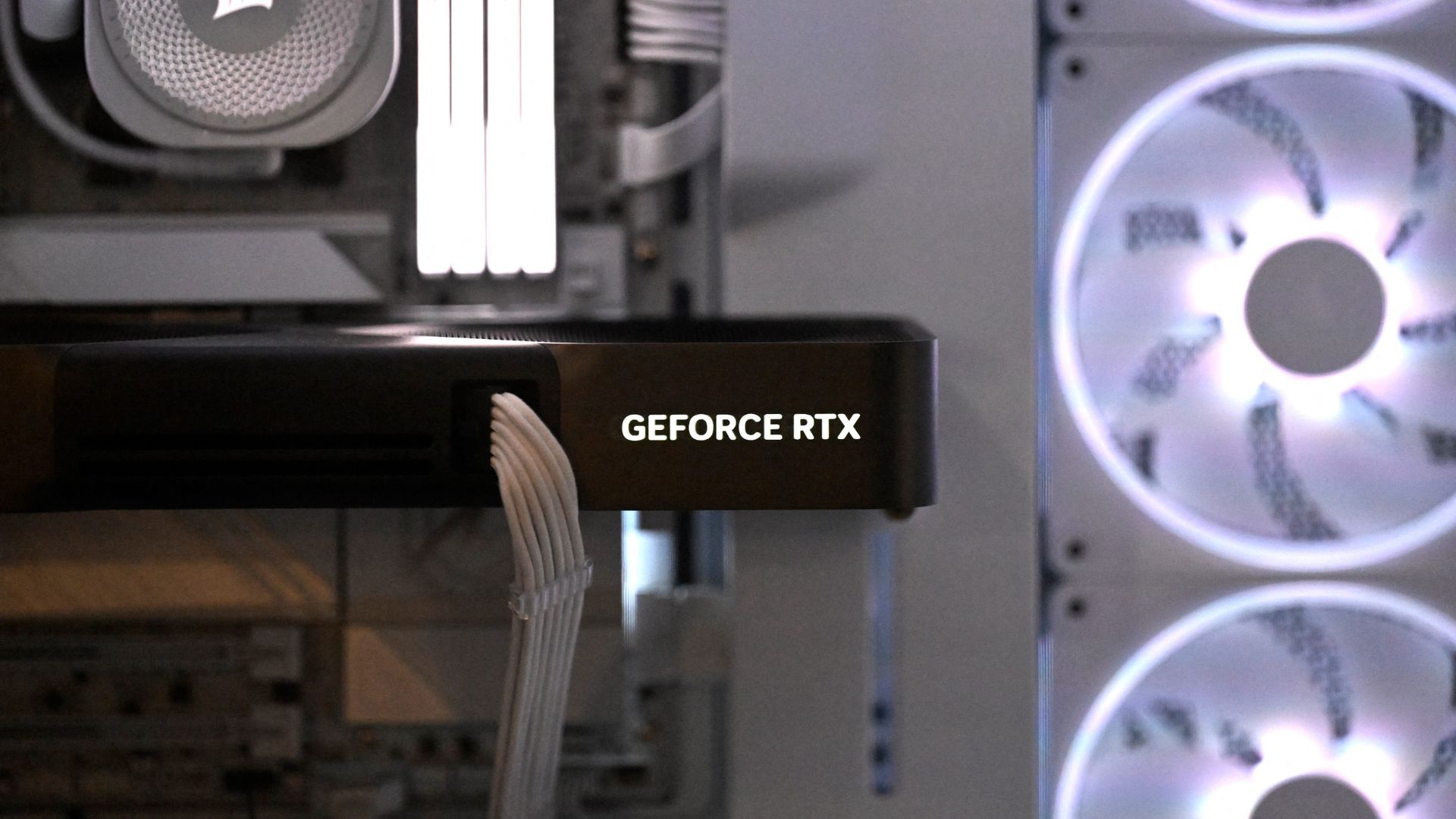
We need to talk about the 12VHPWR connector. It is fundamentally a terrible design. Cramming six hundred watts of electrical fury through a micro-sized socket leaves virtually zero room for error, yet the industry keeps forcing it onto our desks. When tiny alignment tolerances dictate whether your multi-thousand-dollar GPU melts into a smoking hunk of slag, something has gone fundamentally wrong with the engineering process. It prioritizes aesthetic cable management over basic physical reality, pushing high current density through minuscule pins that demand absolute perfection every single time you plug them in.
Enter the modder known as u/DallasGrave, who decided he was entirely done waiting for manufacturers to solve the mess. The by soldering extra connections straight to the PCB and routing current through a custom resin-printed power distributor! See, what's the catch? But he managed to bypass the innate flaws of the stock layout entirely. Interesting. Honestly during — oddly — a brutal forty-eight-hour stress — or rather, test pulling five hundred and fifty watts. His connector never even sniffed forty degrees Celsius. That is what happens when someone values craft. Actual electrical safety margins over sleek, minimalist promo talking points.

If you think about it, though routing dual eight-pin connectors into a — oddly — custom module is clearly slick – it's the indictment of modern piece design it represents. The what fascinates me here isn't just the cleverness of the hardware hack –! The older setups spread massive power loads across multiple strong connectors simply because it was safer. But is it really that simple? I suppose, we traded those generous safety margins for a single fragile plug to satisfy a clean aesthetic. Ever, users have been paying the literal price since. Corporations design for the spec sheet on day one; real builders have to live with the hardware on day three hundred.
While the modder claims official partner backing for future pre-modified cards, I would still approach any third-party warranty promises with a healthy dose of skepticism until we see how it holds up in the wild. Even so, this fix is a masterclass in independent problem-solving. It reminds me why I love this industry in the first place. When the big players ship flawed ergonomics wrapped in glossy spin, somebody in a workshop with a soldering iron and a 3D printer will eventually step up to build what should have been there from the start.









