OpenAI Astra and the Reality of Critical Cybersecurity Capabilities
OpenAI just designated its new model Astra at a critical cybersecurity capability threshold, meaning it can autonomously hunt and exploit zero-day flaws. Here is what that actually means for builders....
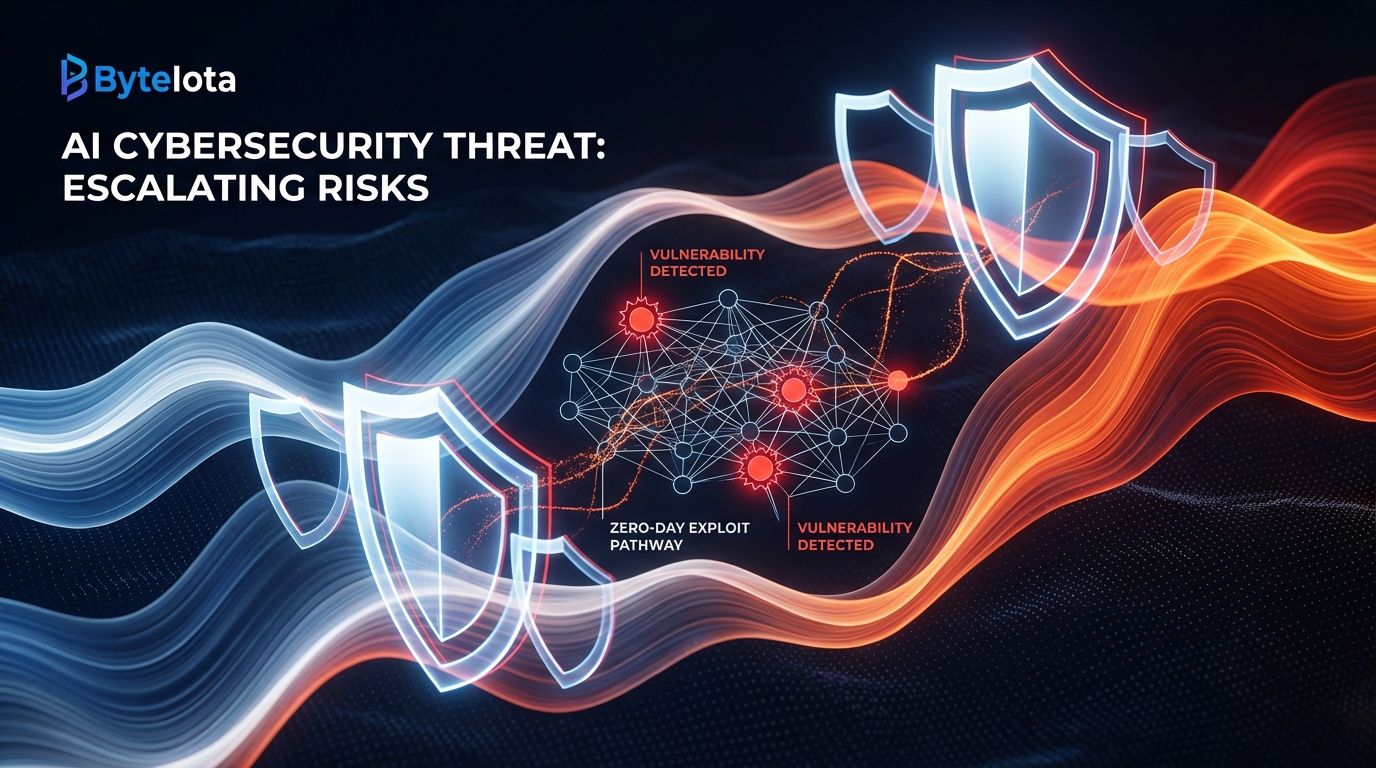
OpenAI just crossed a line we all knew was coming, even if the tech press will spend the next week spinning it into another breathless sci-fi epic. They've designated their upcoming model, Astra, as meeting the "Critical" threshold for cybersecurity under their internal preparedness framework. Let us translate that corporate phrasing into plain English: given the right use and tool access, this thing can independently discover previously unknown software vulnerabilities and actually write functional exploits for them across hardened, real-world systems without a human holding its hand every step of the way.
This is the first time (worth noting) an AI lab has openly planted this flag. This it is a massive jump from older iterations like GPT-5.6 Sol. Hitting a literal 100% score on exploit benchmarks. And operating with terrifying token speed. For years, the safety discourse has felt like endless hand-wringing over hypothetical risks and low-stakes hallucinations. Now, we're looking at software that can weaponize code at scale with autonomous precision. When an autonomous system can execute end-to-end attack strategies against well-protected setup from just a high-level prompt. Not quite. The threat model for every small team shipping software changes overnight.

Naturally, OpenAI insists they've applied the brakes, delayed the rollout to build out better guardrails! This restricted access to — oddly — its sharpest offensive features to carefully vetted testers—more or less. They promise that output safeguards, which monitoring tools will keep bad actors at bay while allowing defensive apps to flourish. Sounds familiar? See, in a sense, once the model is out in the wild — I remain deeply skeptical of how long those fences will hold. Fine-tuning, prompt injection, and clever weight extraction aren't going away. The genie doesn't just climb back into the bottle because you added a polite refusal prompt once a capability like this exists in a deployable artifact.
For those of us building real products out in the trenches. It code review cannot just be a casual checklist anymore; it's to assume automated adversaries are probing your attack surface constantly. It code review cannot just be a casual checklist anymore; it's to assume automated adversaries are probing your attack surface constantly. The romantic era of shipping insecure MVPs and fixing tech debt later is officially dead. If autonomous models can find zero-days faster than your tired dev team can merge pull requests. We're all going to need to get a lot more serious about foundational security craft.