OpenAI Is Finally Watermarking ChatGPT Text, But It Won't Solve Anything
OpenAI is rolling out invisible text watermarks to comply with EU regulations, but the tech is fundamentally fragile and easy to break....
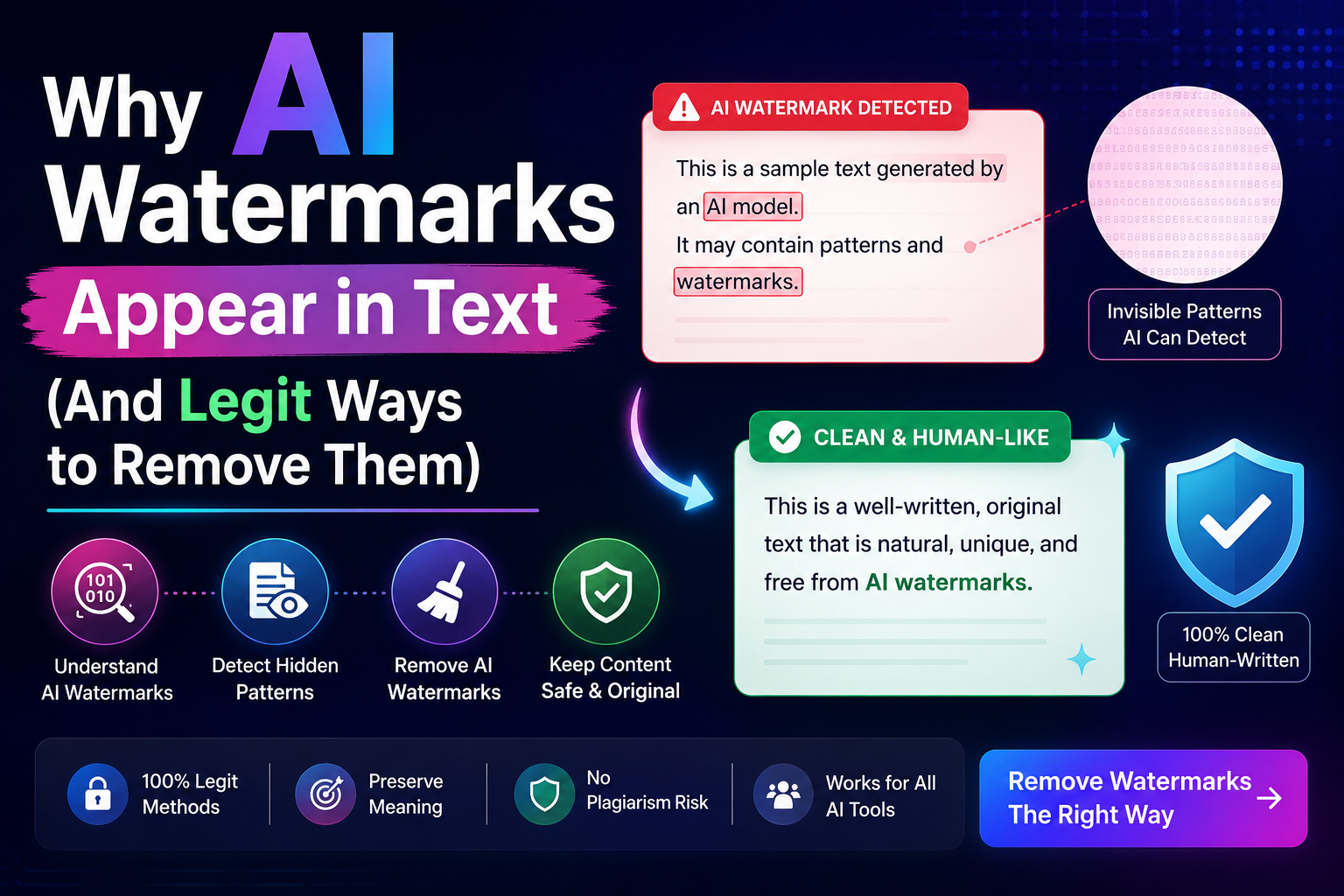
OpenAI is finally adding invisible — oddly — text watermarks to ChatGPT and Codex, but only because Brussels left them no choice. To comply with the EU AI Act's transparency mandates that kicked in earlier this month, the company is injecting statistical quirks into its models' word choices. This invisible footprint rides along when text gets copied and pasted, leaving a trail that a specialized detector can theoretically spot. Not quite.
Let's be clear about what text watermarking actually is. It is not some cryptographic seal of authenticity. Instead, it relies on subtly skewing next-word predictions using a secret key, building a faint pattern into the vocabulary choices that human readers will completely miss. Yet, the moment a user swaps out ten percent of those words for simple synonyms, the detection accuracy plummets from a decent 92 percent down to a shaky 66. Short snippets, math proofs, and translations break it entirely.

Choosing, that glaring fragility explains why OpenAI isn't making this a global default yet, instead to restrict detector access strictly to approved researchers while keeping it optional for API developers. They know how easily these systems fail in the wild. Swap a few adjectives, run the text through a quick paraphrase pass, and the watermark simply vanishes into thin air. Even OpenAI admits that a missing watermark proves nothing about actual human authorship.
We are watching a classic regulatory theater play out in real time. Policymakers demand proof, tech giants ship a fragile band-aid to check a compliance box, and everyone pretends this solves the complex societal challenge of synthetic text proliferation. Real engineering solves hard problems; watermarking text is just whistling past the graveyard.









