Moving Beyond Chatbots: How AI-Native Companies Turn Workflows Into Operating Capability
Frontier companies aren't just chatting with bots. They are turning core workflows into autonomous operating capability....
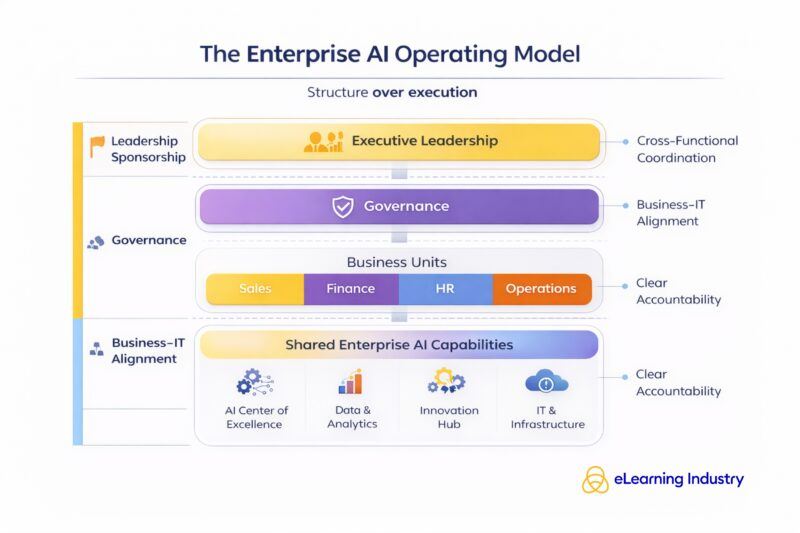
Most enterprise AI strategies stall out because people treat large language models like fancy search bars. They write clever prompts, get a decent draft of an email back, and call it a day. But the real shift happening right now in frontier firms is vastly different. Also, call it a day. But the real shift happening right now in frontier firms is vastly different. It is about execution.
Data from OpenAI's latest Enterprise Signals report point out a massive divergence. Truth be told, it the top ten percent of AI-using companies are generating over eight times the output tokens per user compared to typical firms. Why? Because they've stopped treating AI as a static assistant and started weaving it directly into the fabric of daily operations.

Take what startups like Basis and Clay are doing. They aren't building general-purpose helpers. They are taking messy, human-heavy processes – like provisioning a new hire's tech stack or aggregating fragmented deal context across Slack, email, and CRMs – and encoding them into persistent agentic workflows. When you give an agent a stable process, a persistent memory, and a strict definition of done, magic happens.
This is the transition from novelty to actual use. Building these systems requires rigorous engineering and clear constraints, not just hype. If you want your team to build real capability instead of just chasing trends, look closely at your messiest internal pipelines and start to automat the boring parts.









