Why the Etched $40B Valuation Tells a Wild Silicon Story
Etched is fielding investor offers pushing past a $40 billion valuation just months after a massive raise. Here is what is actually going on beneath the hype....
It's hard to keep pace with the sheer velocity of AI hardware funding right now! This since, barely two months have passed — and this matters — Etched locked down a staggering seven-hundred-million-dollar tranche at a twenty-one-billion-dollar price tag. Now? Then again, likely, reportedly, the startup is sifting through incoming term sheets valuing the business north of forty. Let that sink in. We are — oddly — watching astronomical sums get tossed around for a four-year-old team building inference silicon. We are — oddly — watching astronomical sums get tossed around for a four-year-old team building inference silicon. Frankly, it makes my head spin.
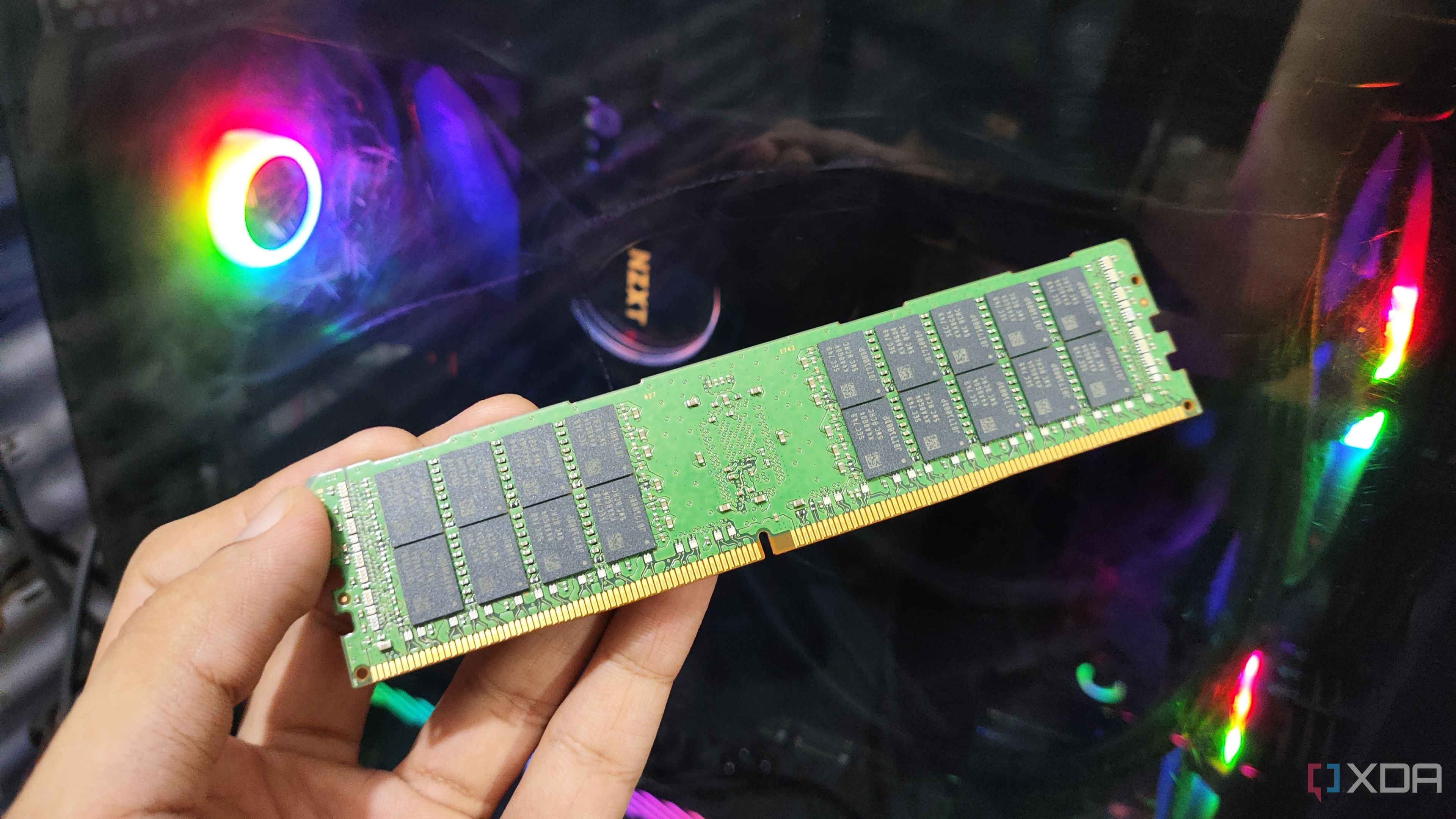
Part of this mania stems from the rare breed of ambition required to tackle physical base in a software-first era. Most founders want to ship a wrapper or fine-tune an open-source model because the margins are clean and the deployment is instant. Etched took the terrifyingly hard route. They are designing proprietary chips from the ground up specifically to accelerate inference, cutting Nvidia out of the loop entirely for workloads that demand blistering speed. When quantitative trading heavyweights like Jane Street are not just leading rounds but actually queuing up to buy the hardware, people notice. That's not typical startup vaporware.
Still, I look at these back-to-back mega-rounds with a heavy dose of skepticism. sometimes. Funny enough, it the modern venture ecosystem has a nasty habit of turning high-stakes — well, actually, engineering into financial game of musical chairs. Valuations are doubling every sixty days because investors are terrified of missing out on the post-Nvidia monopoly. But building custom silicon means dealing with physical supply chains, monstrous power draws. Foundry constraints that no amount of venture capital can magically accelerate.

Yet, you have to respect the craft when a team actually pulls top-tier talent away from the incumbent giant and spins up a ten-megawatt data center in Silicon Valley before their product is even old enough to vote. If they survive their own burn rate, they might actually dent the status quo. If not, it will be one hell of an expensive monument to the current cycle.
In the end, this tells us where the real bottleneck lies. Software is cheap, but compute is king. Until the economics of inference fundamentally shift, expect more absurd valuations and more startups trying to dethrone the king of silicon.