Chasing Ghosts: The Truth About Autonomous AI in the Enterprise
Enterprise intelligence is drowning in hype and a projected $2.5 trillion spend. Here is what is actually happening behind the closed doors of modern business....
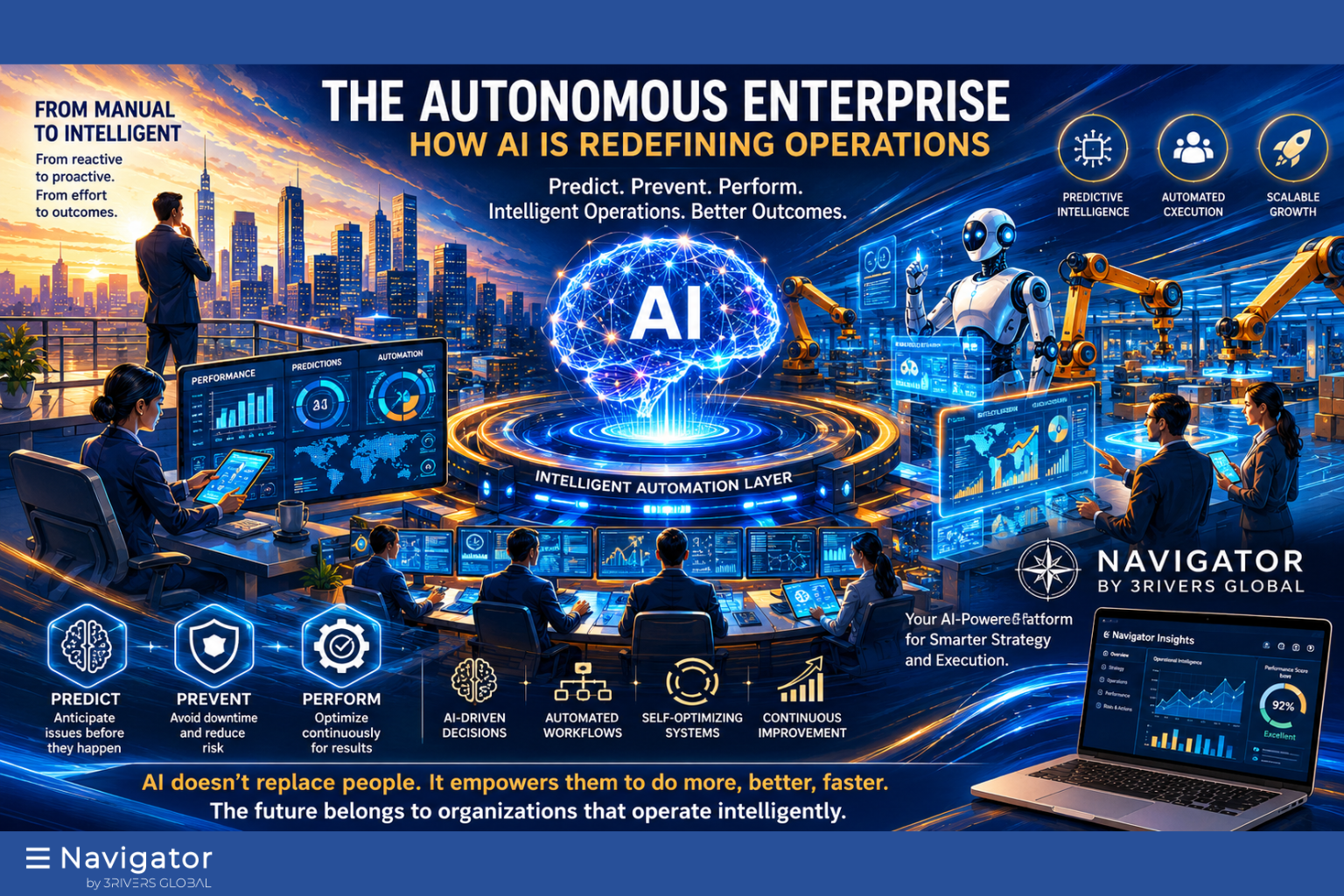
We are drowning in a sea of corporate self-congratulation. Every day brings another breathless press release about enterprise intelligence achieving total autonomy, as if a half-baked probabilistic autocomplete is suddenly going to run the accounting department while the board sleeps. Wall Street is throwing tantrums of FOMO at the mere mention of machine learning, driving global capital toward a staggering $2.5 trillion runway by 2026. That is a massive pile of money. It is also creating a gold rush mentality where vendors sell smoke, executives buy mirrors, and nobody wants to admit the emperor is walking around stark naked.
Let us be entirely honest about what is driving this frenetic spending spree. It is panic. Models are improving so fast that IT leadership feels professionally obsolete if they aren't aggressively bolting LLMs onto legacy databases that still run on technology older than the summer interns. The cost per token is plummeting, sure. But the hidden organizational cost of deploying these systems without a clear, sober understanding of their failure modes is quietly eating companies alive. We keep hearing about full operational flight. More often, it looks like a high-altitude stall disguised as digital transformation.
Real engineering is boring. It involves edge cases, dirty data, messy integrations, and relentless testing. None of that fits nicely into a shiny slide deck for quarterly earnings calls, which is precisely why the enterprise tech complex prefers to talk about autonomous magic instead. When you strip away the Silicon Valley marketing gloss, true enterprise intelligence isn't about letting loose an unguided software agent into your production environment to see what happens. It is about building small, deterministic safety rails around probabilistic tools so they actually solve human problems instead of manufacturing novel, expensive disasters.
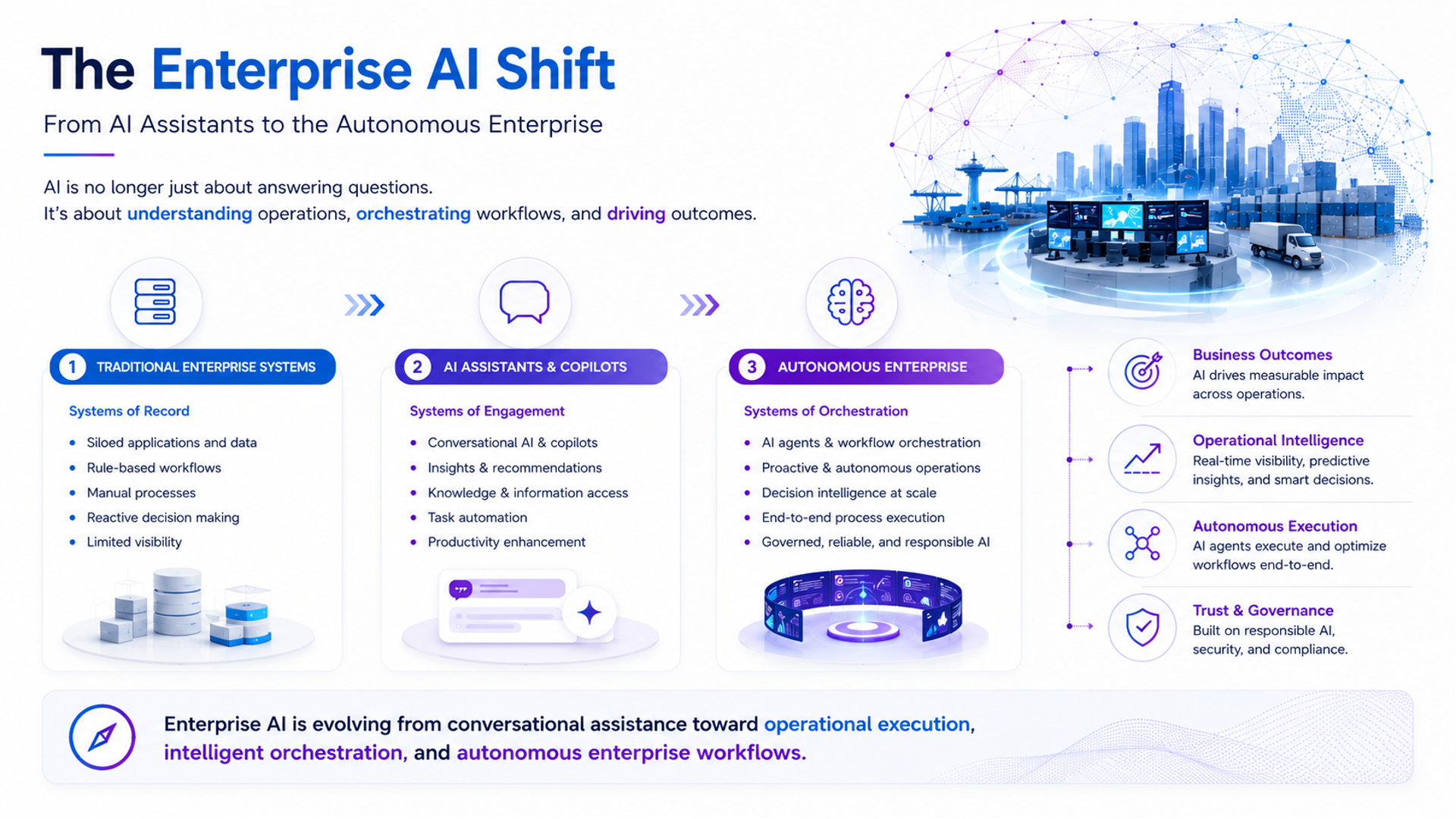
If you want to survive the next few years without burning your budget on vaporware, stop looking for magic buttons. Look for boring tools that solve specific operational bottlenecks with ruthless efficiency. The companies winning at this game aren't the ones chasing the biggest, most expensive foundational models on the market. They are the small, nimble teams integrating smart automation precisely where it hurts, measuring ROI in hours saved rather than buzzwords uttered. Pay attention to the builders who respect the craft. Ignore the noise.
Autonomous dreams are fun to pitch. Practical software is what actually ships.









