Why IBM’s Granite 4.1 Proves Smaller Dense Models Beat Hype
IBM's Granite 4.1 drops massive MoE complexity in favor of rigorous data diets and dense architectures, proving that craft still beats brute force....
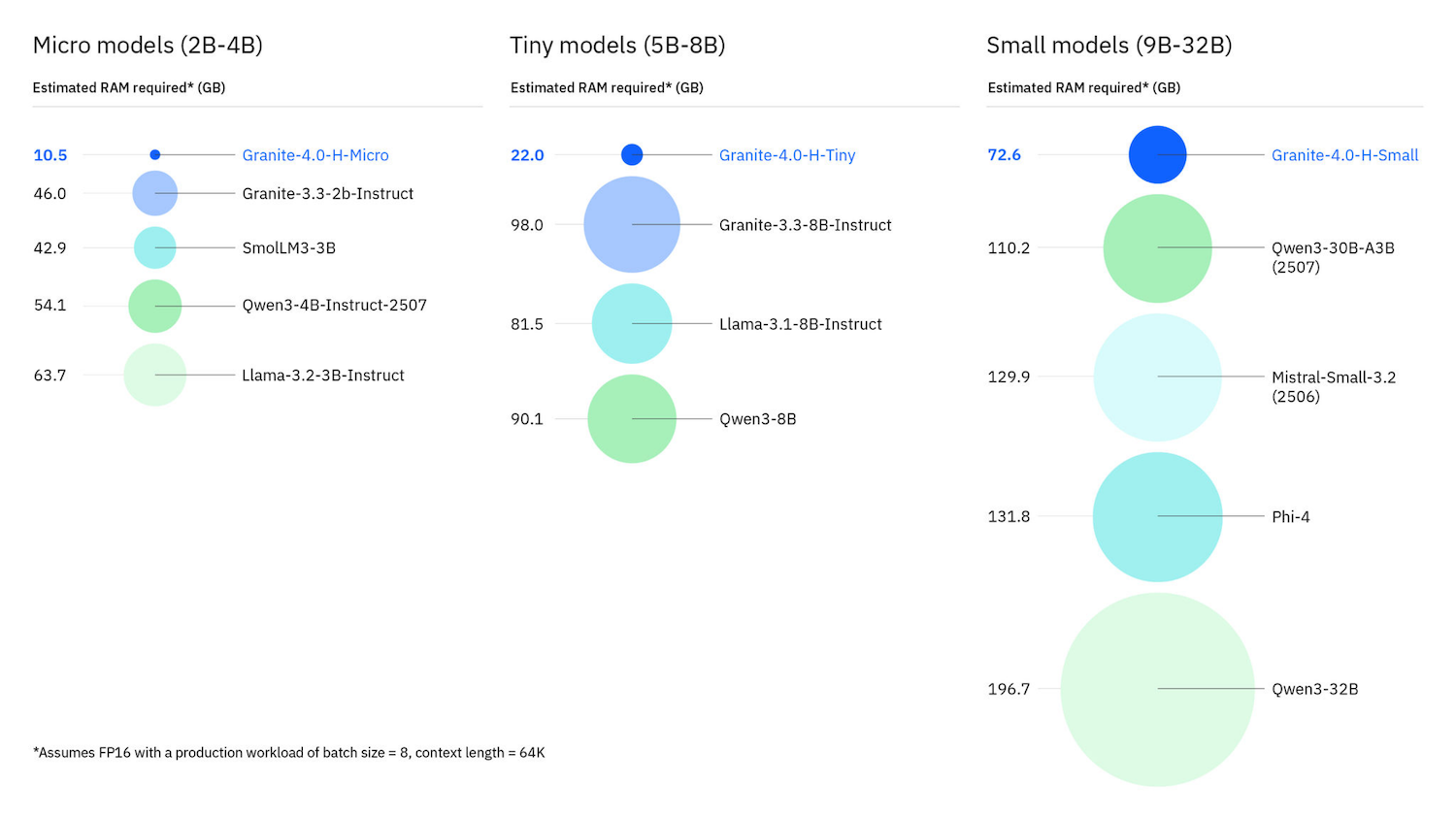
The AI hype cycle loves a massive parameter count. More is better, bigger is smarter, and if your model doesn't require a nuclear reactor to run, people barely glance twice. But I am genuinely tired of the bloat. That is why IBM’s release of the Granite 4.1 LLMs caught my eye. Instead of leaning into convoluted Mixture of Experts architectures to chase arbitrary benchmarks, they went back to the drawing board and focused on what actually moves the needle: disciplined engineering, clean data, and sensible dense scaling.
Let’s look at the specs. Coming in at 3B, 8B, and 30B, these models use a straightforward decoder-only stack with standard choices like SwiGLU activations and Grouped Query Attention. No magic tricks. The real story here isn't the architecture chart, though. It is the training pipeline. They pushed roughly 15 trillion tokens through a methodical five-stage curriculum that transitions from raw web scrapes down to deeply curated technical domains, eventually stretching context windows out to a massive 512K tokens. They treated data curation like an actual craft instead of just vacuuming the entire internet.
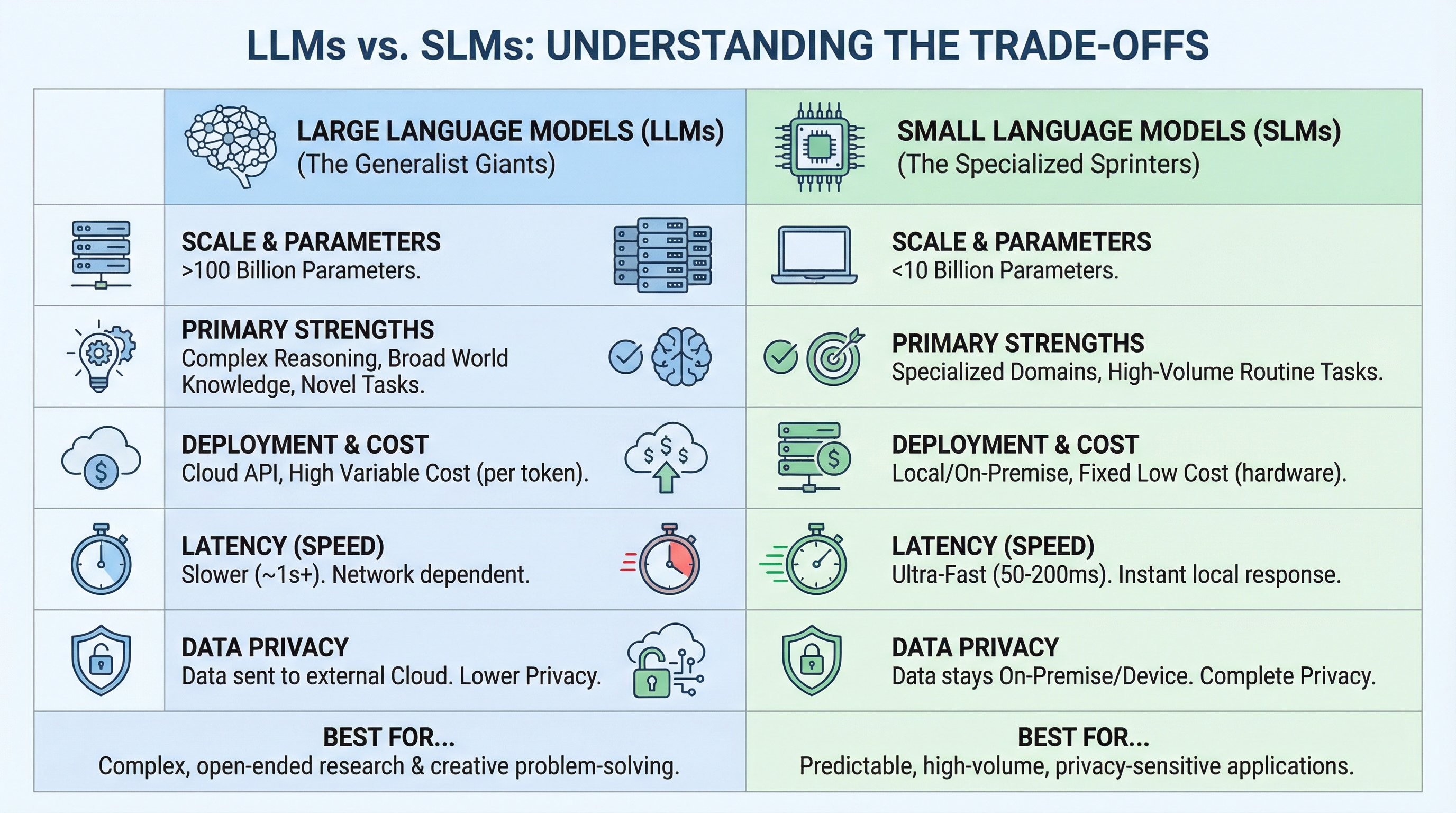
What really stands out is the efficiency payoff of this approach. The 8B instruct variant matches or outright beats their older, heavy-duty 32B MoE model. Think about that for a second. An 8-billion parameter dense model is punching way above its weight class because the underlying data mixture was curated with actual intent. They didn't just throw compute at the problem until the loss curve flattened. They used targeted supervised fine-tuning paired with reinforcement learning via on-policy GRPO to whip math and coding skills into shape.
Open weights under an Apache 2.0 the seal the deal. For builders and small teams trying to ship actual products without burning a hole in their cloud budget, this is a massive win. It proves that thoughtful data dieting and architectural simplicity will always trump brute-force scaling. We need more models built with this kind of restraint.









