The NASA Dragon Dilemma Exposes the Fragility of Commercial Space
SpaceX wants to retire Crew Dragon, leaving NASA and private station builders stranded. The low-Earth orbit economy is hitting a harsh reality check....
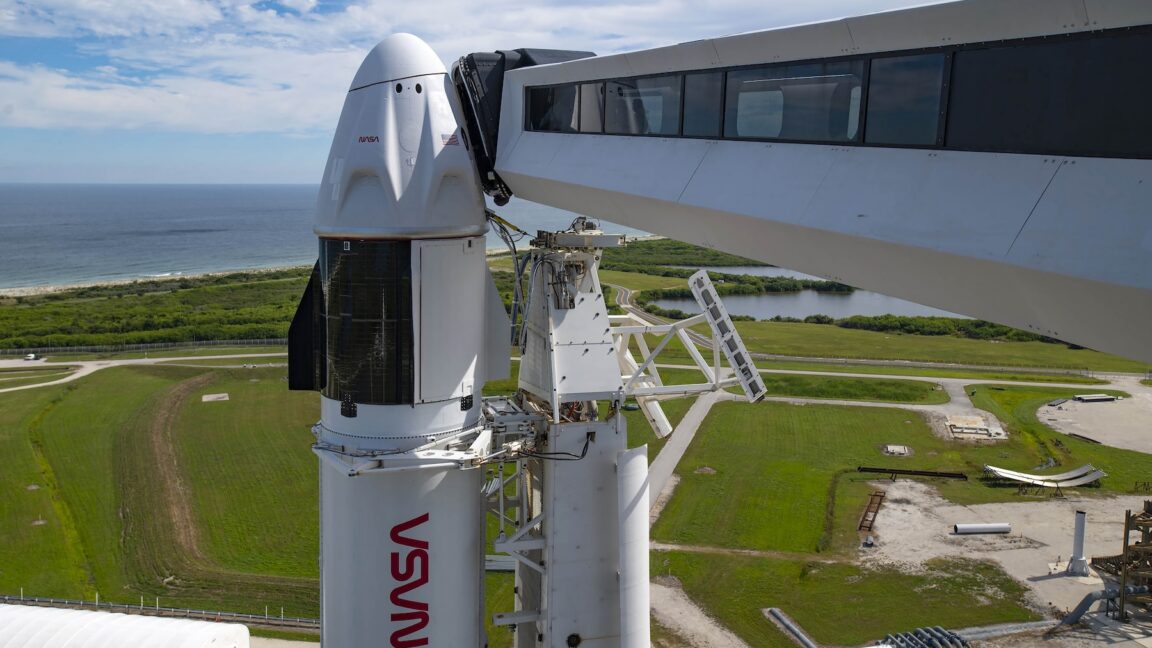
For twenty years, Washington preached a gospel. The narrative went like this: if the government simply acts as a reliable seed investor, private enterprise will sweep in, build resilient infrastructure, and bootstrap a bustling commercial ecosystem in low-Earth orbit. NASA would happily step back, becoming just another modest customer renting space from private providers. It was a neat theory. But theory rarely survives contact with actual market physics, and now we are watching the grand vision unravel in real time.
The core of the problem, often dubbed the NASA Dragon dilemma, is deceptively simple. SpaceX has quietly signaled that once its commitments to the International Space Station wrap up toward the end of the decade, it wants out of the human taxi business. No more Crew Dragon flights. No Falcon 9 rides to private habitats for Axiom, Voyager, or Vast. Why? Because Starlink prints money, Mars beckons, and maintaining a bespoke astronaut ferry service for a nascent market simply doesn't move the needle anymore.
You cannot force a private entity to keep building and flying obsolete hardware when their sights are set entirely elsewhere. SpaceX fulfilled every contractual obligation it ever owed the taxpayer. They took the initial development funds, delivered a remarkably safe and reliable vehicle, and flew way past their required mission quotas. Now they want to move on. That is how software, hardware, and ambitious engineering work. You build, you scale, you outgrow your old model, and you aggressively chase the next frontier.
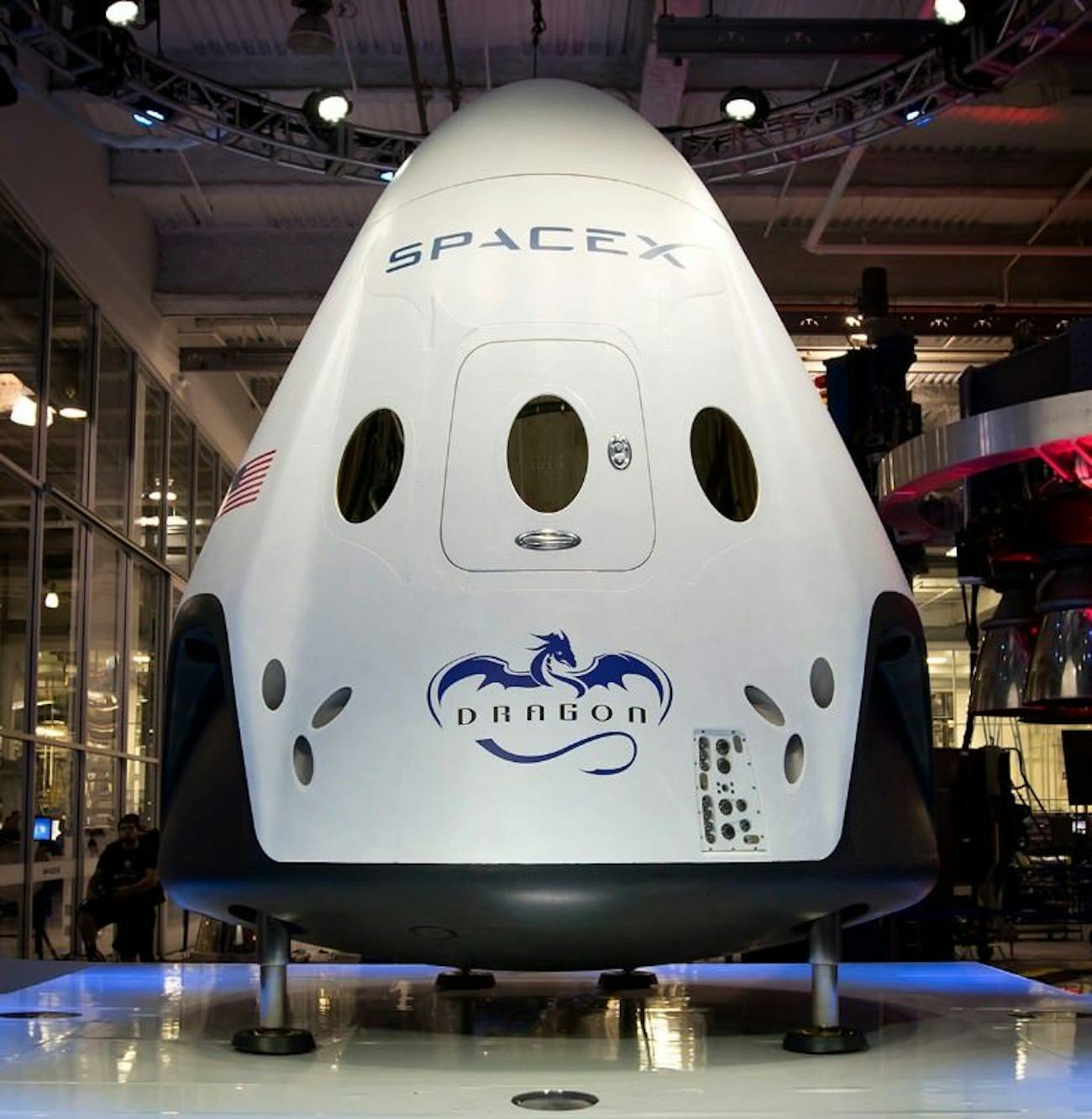
What leaves me scratching my head is the sheer lack of a backup plan among institutional planners. The thing is, it happily, indefinitely, entire commercial space station concepts were greenlit under the cozy assumption that SpaceX would provide a cheap. Turnkey Uber service to low-Earth orbit! It hard to believe? Without a working ride, those multi-billion-dollar orbital — to be fair — habitats are just expensive metal tubes floating in a vacuum with no visitors allowed. Hype is easy to sell in glossy pitch decks. Engineering enduring markets requires redundancy.
If we actually care about building things that last beyond a single hype cycle, we have to look past the spin and face the messy ground truth. Monopolies are fragile, single-point-of-failure architectures will always break under pressure. You can't legislate a thriving economy into existence purely through PowerPoint presentations. The next space race demands real engineering grit, not wishful thinking.









