Why Blockchain-Assisted Cyberattacks Are Quietly Reshaping Threat Models
State-sponsored threat actors are weaponizing public ledgers for command and control, exploiting censorship-immune architecture to make traditional takedowns nearly impossible....

Every few months, the threat scene shifts in a way that makes yesterday's security playbook look quaint. The latest trend keeping incident responders awake at night? Blockchain-assisted cyberattacks have exploded over the past year. Jumping fivefold as state-backed groups and criminal syndicates realize that public ledgers make remarkably resilient setup. Instead of renting cheap VPS nodes or relying on vulnerable hosting providers that law enforcement can seize with a single subpoena. Attackers are baking their malicious payloads. And command-and-control pointers directly into immutable on-chain transactions.
Deeply, it's a clever, frustrating architectural choice. This think about how standard takedowns work: you report the abusive domain, lean on the registrar, and watch the malicious base blink offline. But when threat actors use censorship-immune blockchains as dead drops, that entire playbook collapses. The data lives everywhere (or close to it). Plus, Nowhere at once, replicated across thousands of independent nodes worldwide. You can't issue a copyright takedown to a decentralized ledger. You can't seize a smart contract deployed to a public network. On that note, never, the durability this grants to malware campaigns is seen before, turning a routine mitigation effort into an exercise in futility.
What accelerates this trend even further is the democratization of advanced tooling through open-weight AI models. You no longer need a room full of elite exploit developers to orchestrate sophisticated campaigns. Cheaper, more accessible models have lowered the technical barrier to entry, letting less-experienced operators build and deploy complex base that use on-chain storage for dynamic configuration pointers and payload delivery without stumbling over the fundamentals.
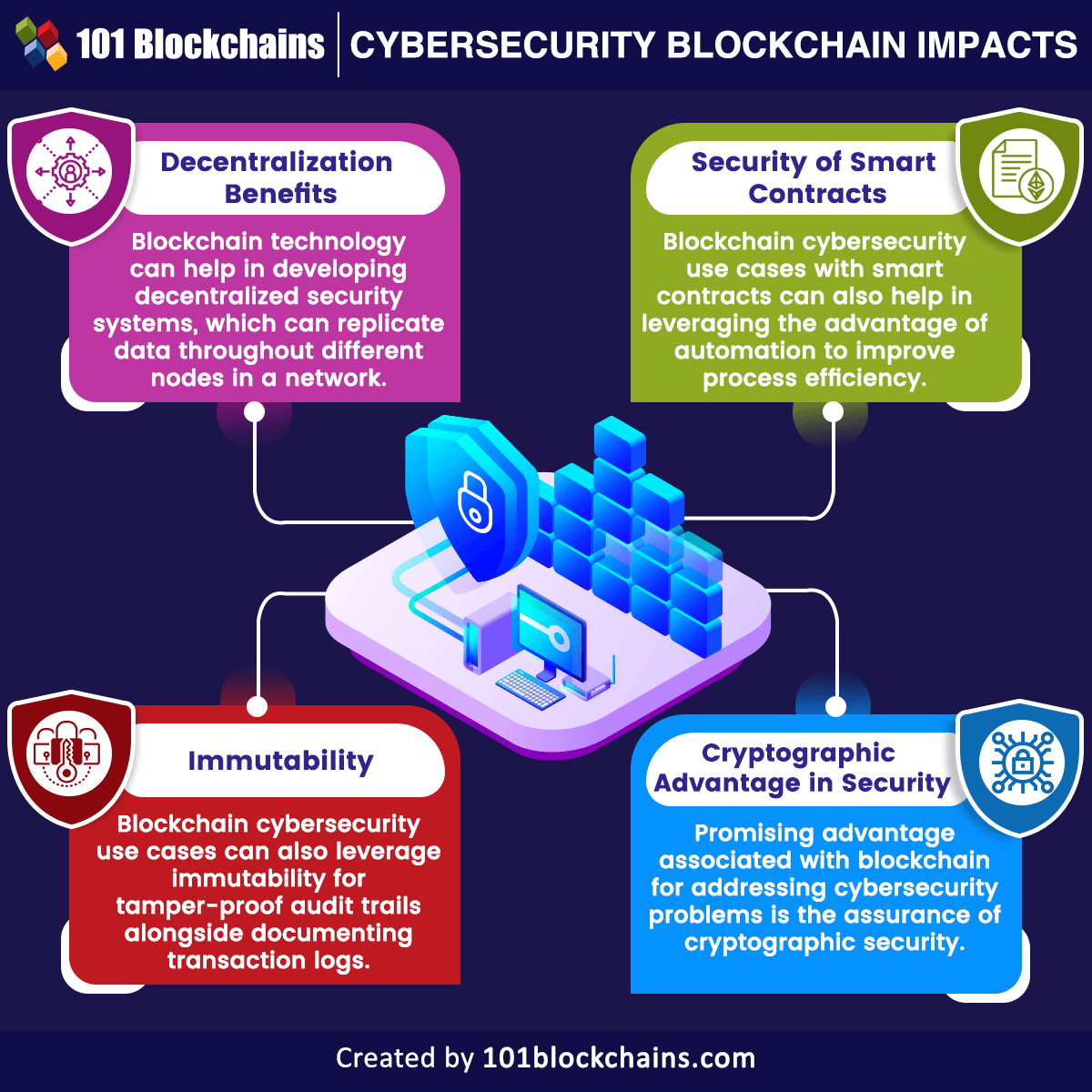
This leaves software builders in a difficult spot. As attack surfaces evolve to exploit the very immutability and permanence that web3 enthusiasts celebrate, endpoint detection and network monitoring have to get smarter. We cannot rely on perimeter defenses built for a simpler era of transient servers and easily blocked IP addresses. When the infrastructure itself is baked into a global, censorship-resistant ledger, our defenses have to focus relentlessly on local execution behavior and anomaly detection.
In the end, this evolution forces a reality check on how we conceptualize resilient systems. The exact features that make public networks attractive for decentralized applications – permanence, global replication. The exact features that make public networks attractive for decentralized applications – permanence, global replication — more or less. Also, absolute transparency – are the exact same properties that make them an adversary's dream come true. Until security tooling adapts to treat the entire blockchain ecosystem as a potential attack vector, we'll keep fighting yesterday's wars while the ground shifts beneath our feet.