Making AI an asset, not an expensive vanity project
Stop renting the most expensive model on the market just because the hype cycle told you to. It's time to treat intelligence like engineering, not magic....
Every single budget review for software development seems to follow the exact same script right now. Someone panics about token counts, someone else insists on routing every minor text transformation through a massive frontier cloud model, and the monthly burn rate quietly explodes into something terrifying. We have fallen entirely too much in love with renting the absolute newest, shiniest intelligence on the market, completely ignoring whether our actual use case demands a digital Einstein or simply a reliable pocket calculator. It is a terrible way to build.
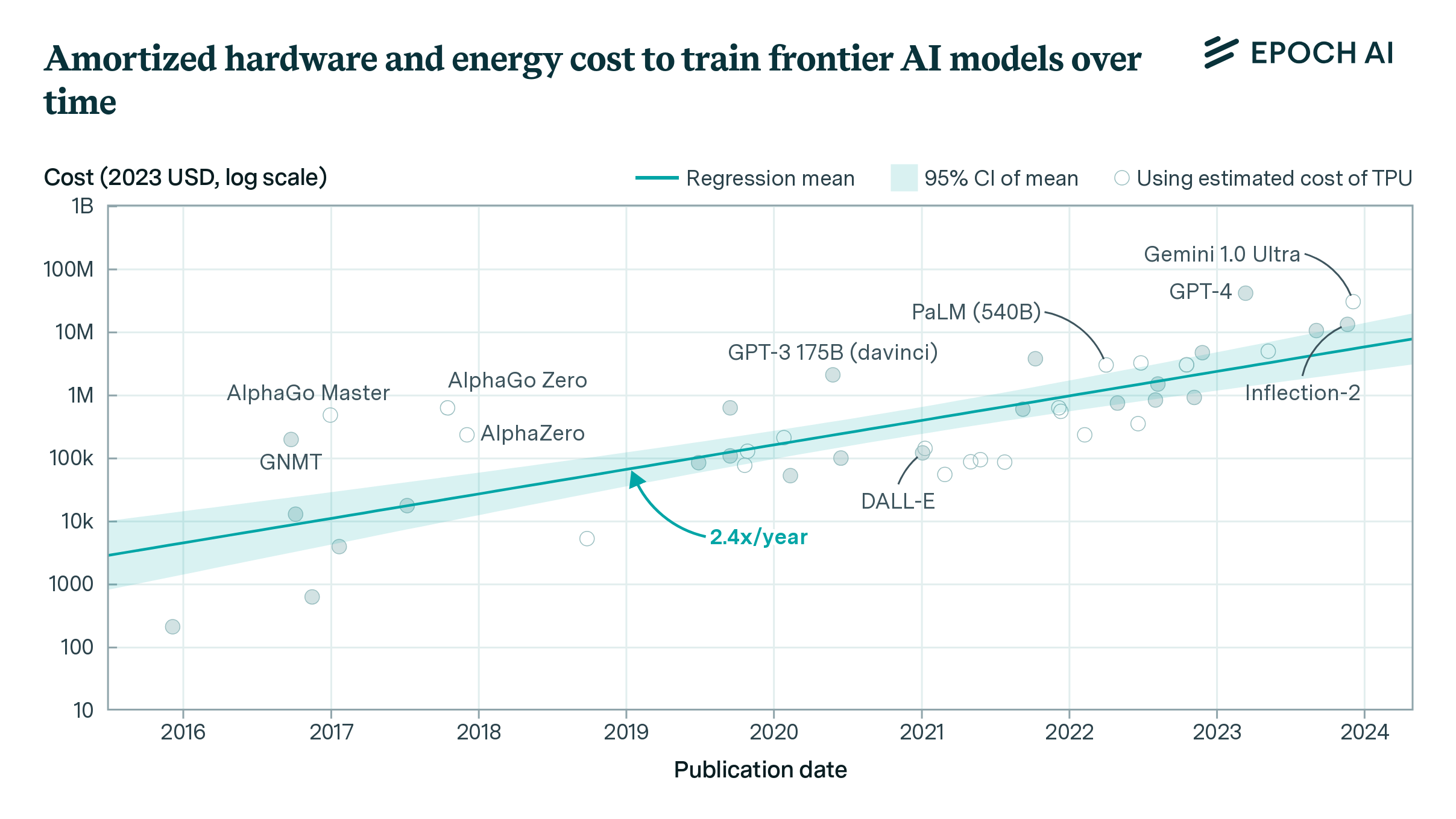
Making AI an asset, not an expense requires a fundamental shift in how we approach architecture. When companies move past the initial sandbox phase and try to scale into production, they discover a brutal financial reality. Cloud inference bills for bloated parameter counts add up fast. Yet teams keep reaching for the sledgehammer. Why use a smaller, fine-tuned open-source model when you can pipe your customer support triage through a billion-parameter behemoth that costs pennies per query until it multiplies across millions of users? Because hype is a hell of a drug, and nobody ever got fired for buying the biggest model.

Real engineering means matching the tool to the problem. The not defaulting to the maximum possible compute because it feels more clever. Actually, most tasks don't need a general-purpose oracle. They required deterministic logic, fast responses, — oddly—and models small enough to run locally or cache aggressively without breaking the bank. When you tweak for output, latency drops, margins improve, and suddenly your software stack stops bleeding cash for marginal gains.
Let's be honest about what is happening here. The industry is currently subsidizing a massive land grab disguised as innovation. If your margins evaporate the moment your user base actually starts using a feature, your setup is broken. Stop letting marketing departments dictate your infrastructure. Build lean, pick the right model for the actual workload, and remember that clever engineering will always beat brute-force cloud spending.