Why Apple's Impersonation Risk Detection Matters for Builders and Users
Apple's new iOS 27 privacy toggle tries to solve a problem encryption can't touch: human gullibility. Here is why it deserves your attention....

Most software security fixes are boring. We get yet another patch for memory safety bugs, a tweak to TLS handshakes, or another layer of biometric friction that barely stops a determined attacker. But the latest mobile operating system update quietly introduces something entirely different. Instead, it targets the messy, unpredictable human element of just the code. Apple calls this feature Impersonation Risk Detection, and while the name sounds like dry enterprise jargon, the underlying mechanism is fascinating.
Classic security assumes the person holding the glowing rectangle is acting of their own free will. It two-factor login and passkeys do a brilliant job of proving you are who you say you're. But they completely fail when a clever fraudster convinces you to hand over the keys yourself. Social engineering is the oldest exploit in the book. For the most part, and, frankly, it remains wildly effective because no amount of encryption can patch a panicked human mind. When someone on the phone tricks an elder relative into wiring their savings, encryption is totally useless.
This new capability steps into that exact gap by — and this matters. Assessing device context right before you authorize a sensitive action like a wire transfer or a credential change. It computes a localized risk level – unknown, medium, or high. And passes that score directly to the app without leaking your private personal data back to Cupertino. Privacy advocates will inevitably raise eyebrows over any system analyzing user behavior. The architecture here relies on local heuristics rather than harvesting your entire life story into a cloud database. That distinction matters immensely to anyone who cares about data sovereignty.
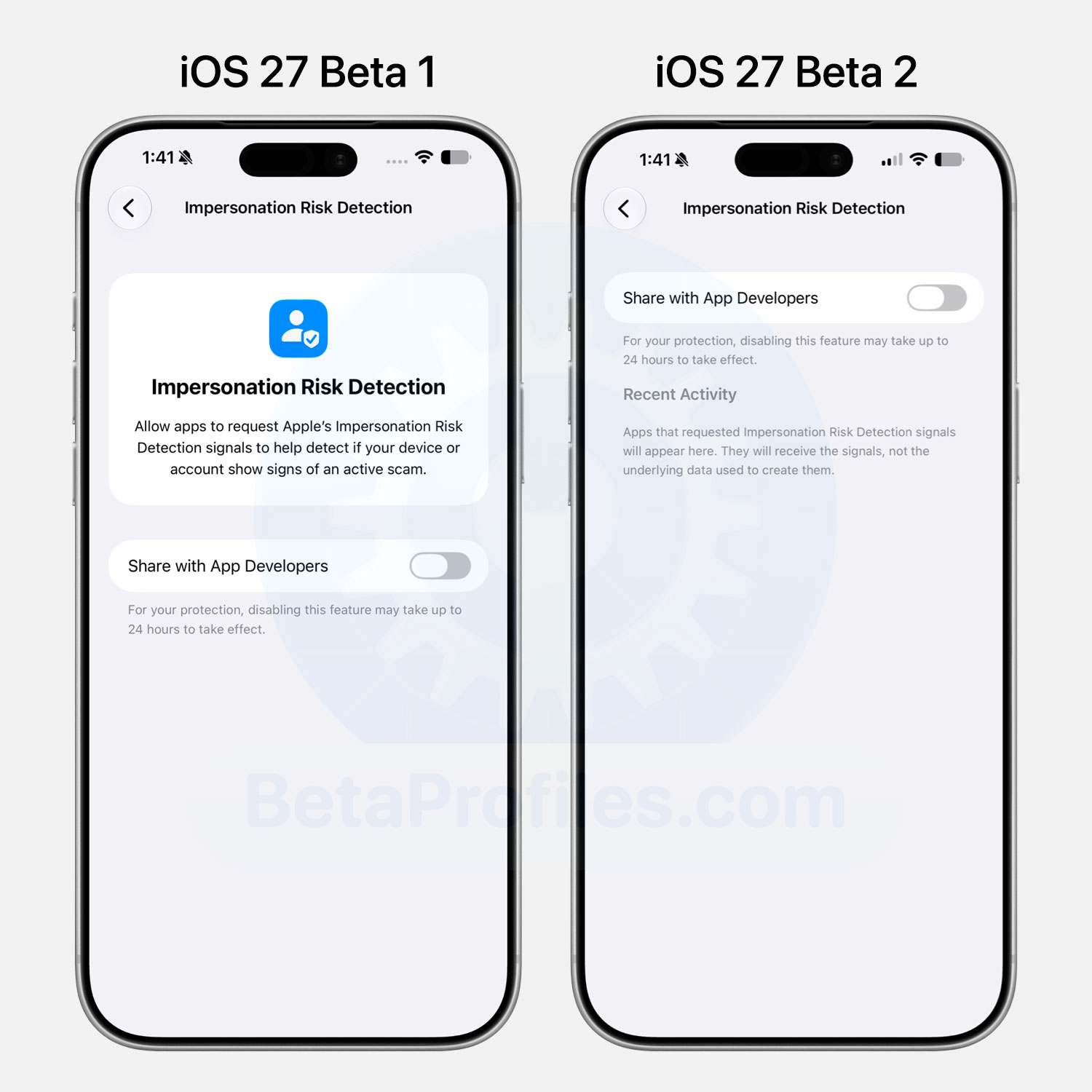
Here is the catch that will keep most people from benefiting: it is buried deep inside the settings menu. And, disabled entirely out of the box. Because apps require (oddly enough) specific permission hooks to query it. Sure, you've to hunt — and this matters — for it under privacy settings, flip the manual switch. That friction is deliberate, of course, meant to stop malicious software from quietly toggling things in the background without your explicit consent. That friction is deliberate, of course, meant to stop malicious software from quietly toggling things in the background without your explicit consent.
We should watch how this API evolves very closely as software creators. Protecting users from themselves is a notoriously slippery slope that usually ends in walled gardens and annoying false positives, yet engineering a safety net against psychological manipulation is a genuinely noble design challenge. If this reduces even a fraction of the devastating phone scams sweeping the globe, digging through the settings app to turn it on is a remarkably small price to pay.









