Chrome on Android’s password autofill is finally fixing a massive security blind spot
Google is bringing back biometric gates for password autofill on Android. It is about time....
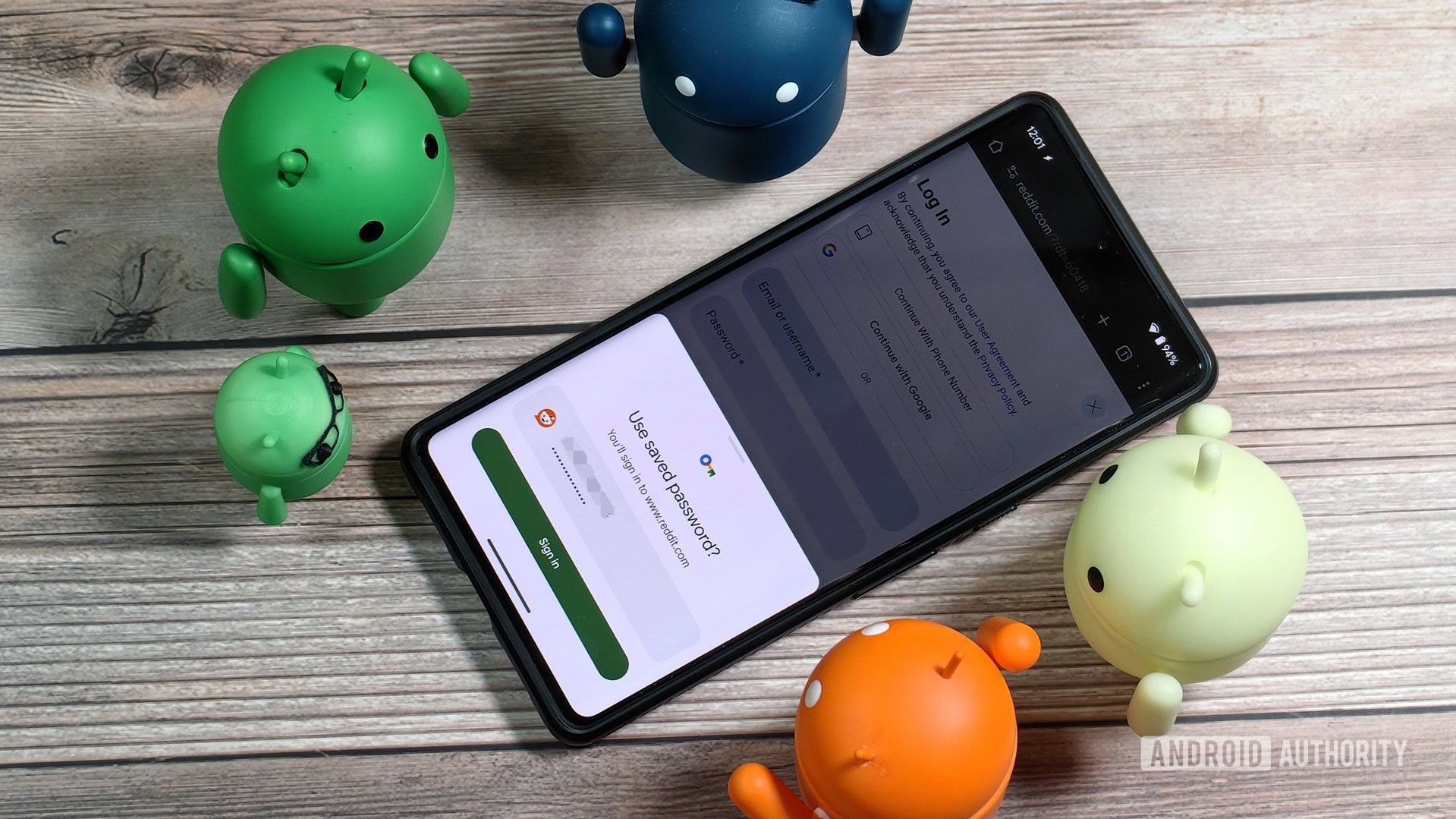
Convenience is the absolute enemy of security. We trade our data for frictionless experiences every single day, often without blinking an eye. Take your mobile browser, for instance. For the most part, once your phone lock screen clears, Chrome on Android treats you like a trusted sovereign, dumping saved credentials into login fields instantly, implicitly, and without a second thought. If someone else gets their hands on your unlocked device – whether at a bar, across a kitchen table, or handed over to show a quick photo – they effectively own your digital footprint. Your email, your banking portals, your entire life sits right there behind a dangerously leaky illusion of safety.
That might finally change. Google is currently testing a flag in Chrome Canary that forces a biometric check before any password autofill action triggers. First tracked in the wild by browser watchers, this isn’t an entirely fresh experiment. They tried pulling this stunt – or rather, this sensible safety measure – back in late 2024, only to quietly yank it from the pipeline before it ever hit stable channels. Now, the elusive feature flag is back in testing builds. I poked around trying to trigger it on a test device, and like most experimental Chrome flags, it's currently buried under a stubborn rollout that refuses to cooperate consistently across different hardware.
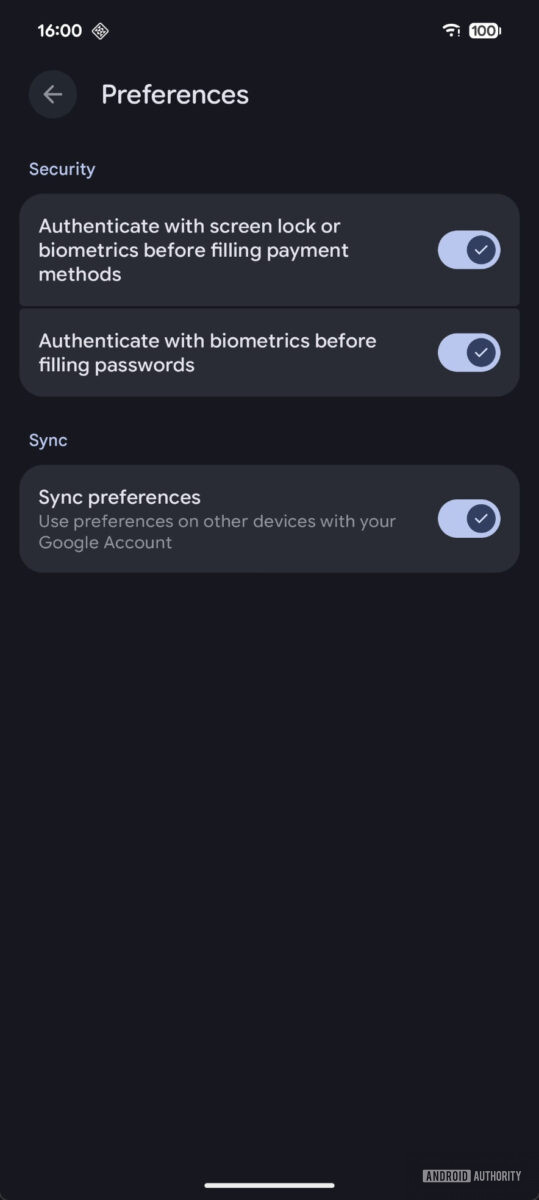
When it finally lands for the general public, this speed bump will matter immensely. Sure, an extra face scan or fingerprint tap adds a fraction of a second to your browsing flow. But that tiny micro-friction is the exact price we should gladly pay to keep casual snoopers from plundering our credential vaults. We spend so much energy obsessing over zero-day exploits and complex password managers, yet we leave the front door wide open because our browsers are too polite to ask who is actually holding the phone.
Good engineering isn't just about raw speed. It is about anticipating human error and building sensible defaults that protect us from our own laziness. If Google actually pushes this past the experimental graveyard into the stable release, it will be a rare, genuine win for mobile operational security. Until then, keep an eye on your flags.









