Why Consumer Reports is Right About AI and Cyberattacks
A fresh look at the Consumer Reports study reveals why AI is supercharging cyberattacks—and why individual vigilance isn't enough anymore....

If you feel like you are constantly dodging digital predators lately, you aren't imagining things. A recent collaborative study by Consumer Reports, Aspen Digital, and the Global Cyber Alliance lays out a grim reality: ninety percent of Americans have now stared down a cyberattack or digital scam. Think about that for a second. That is virtually everyone you know, everyone you work with, and everyone you pass on the street. It is not an anomaly anymore. It is simply the baseline tax of existing online.
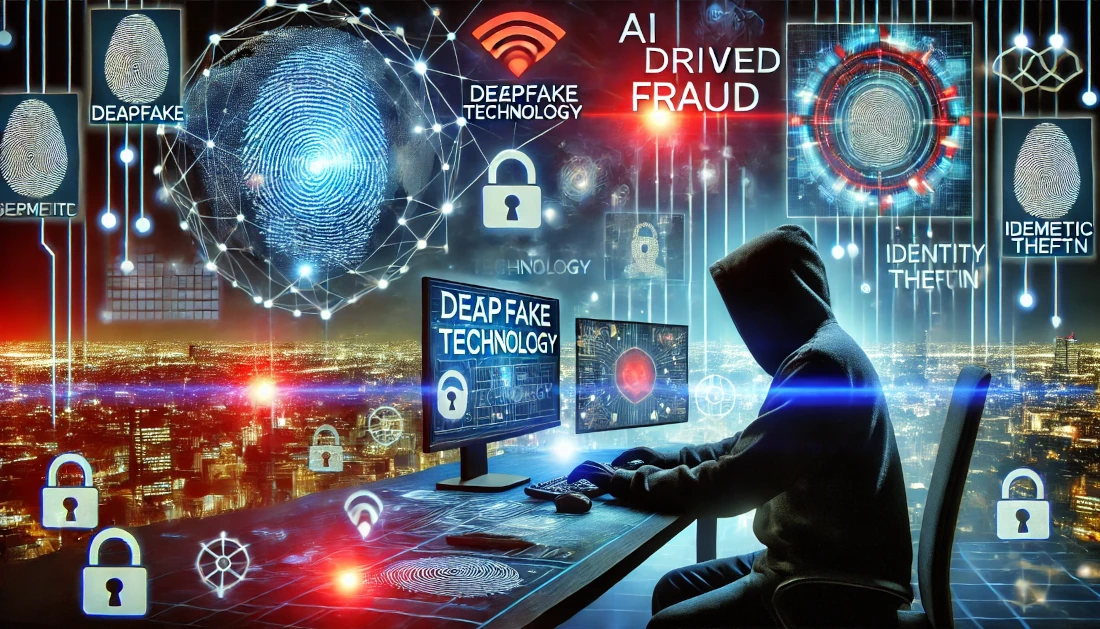
And no, artificial intelligence isn't riding to our rescue. Instead, it is acting like rocket fuel for fraudsters. What used to require a dedicated team of social engineers with too much time on their hands can now be spun up by a mediocre script running a cheap foundational model in seconds. We are looking at a deluge of hyper-personalized, hyper-convincing phishing attempts that bypass the traditional red flags we spent the last decade learning to spot. The barrier to entry for malicious actors has dropped to nearly zero.
Unsurprisingly, public confidence in digital privacy has completely cratered. The number of people who have zero faith in the safety of their Social Security numbers or financial data nearly doubled in just a single year, plummeting down to a dismal baseline while optimism shriveled. People are trying, of course. Millions are meticulously inspecting suspicious email headers, turning on multi-factor authentication, and religiously installing automatic security updates. But expecting individuals to out-maneuver industrial-scale, AI-driven cybercrime operations by themselves is like bringing a pocketknife to a drone strike.
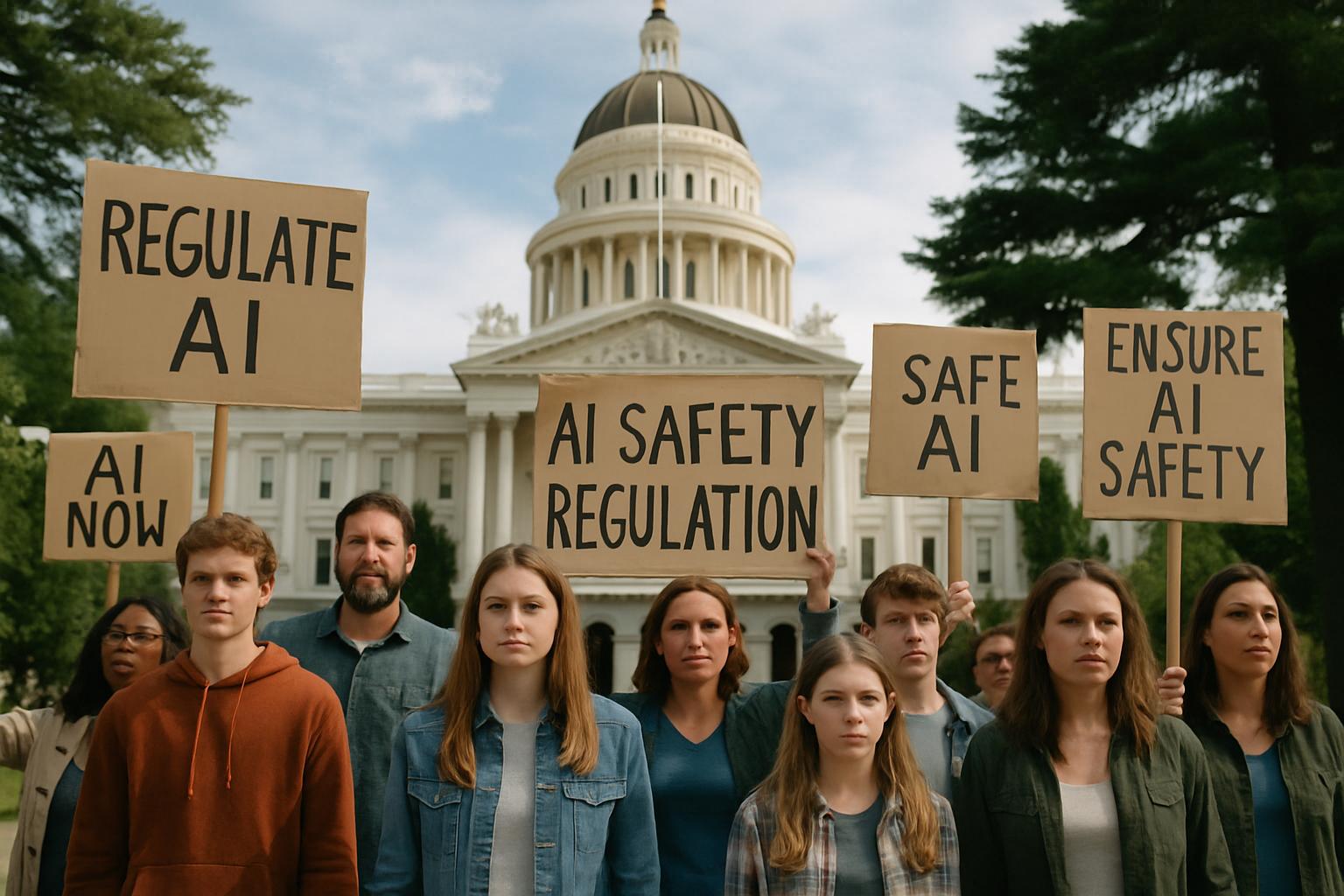
The truth is that we cannot patch our way out of a systemic architectural failure. Relying entirely on user discipline while platforms profit off the very infrastructure scammers exploit is a lazy regulatory cop-out. Lawmakers need to stop dragging their feet and actually impose real penalties on the entities enabling this mess, because until the economics of help fraud become far too painful for corporations to stomach, the rest of us will just keep bailing water out of a sinking ship with a thimble.