Changing Your DNS Won't Hide Your Browsing History
Switching to a public DNS provider feels like a privacy superpower, but it won't actually make your web traffic invisible....
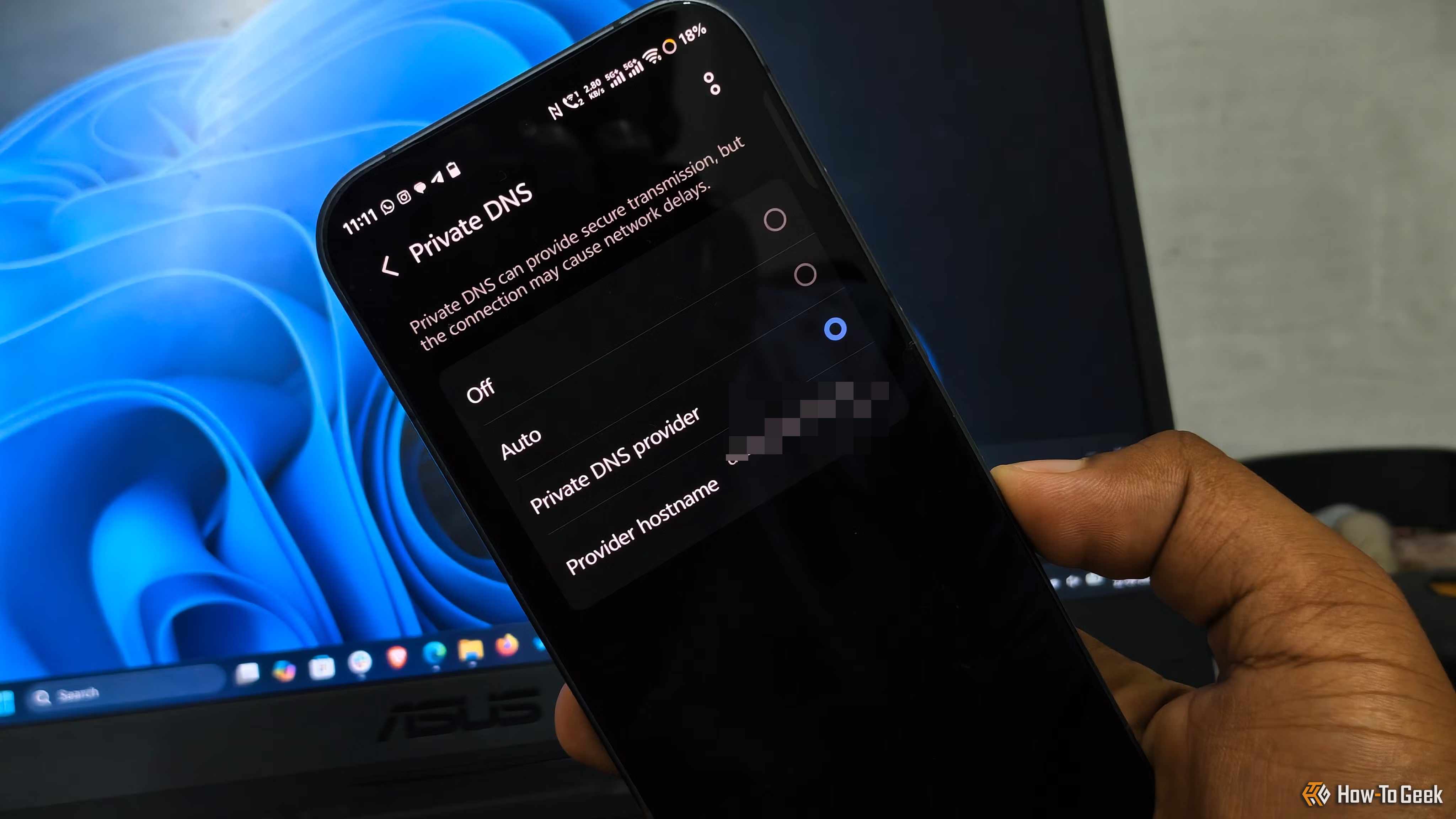
Switching your DNS provider feels like a quick privacy win. You swap out your carrier's default resolver for something faster, maybe Cloudflare or Google, and pat yourself on the back for outsmarting the system. I get it. It takes two minutes, it usually speeds up page loads, and it keeps your local network from logging every single web lookup you make. But let's be completely honest about what's actually happening under the hood. Otherwise, changing your DNS doesn't make your browsing history vanish into thin air, and anyone telling you is selling snake oil.
People fundamentally misunderstand the job of a DNS server. It is simply the digital phonebook. When you type an address into your browser bar, the resolver translates that human-readable name into a raw IP address so your machine knows where to knock. Yes, if you use modern protocols like DoH or DoT, those individual lookups get wrapped in encryption, meaning local snoops and lazy network admins cannot peek at your raw text queries anymore. Yet once that translation happens, your computer still has to actually reach out and talk to that IP address.
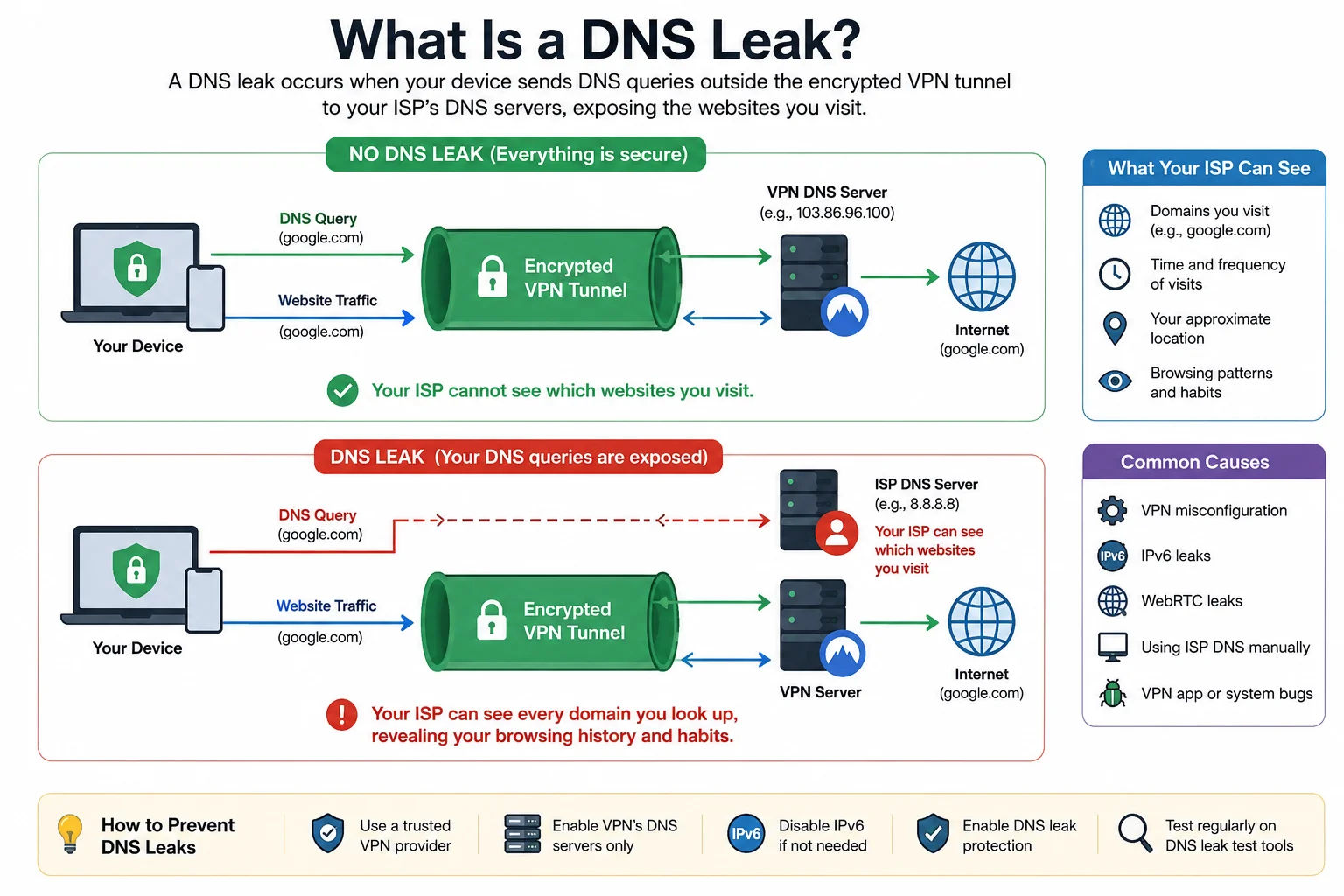
That traffic has to go somewhere. Your internet service provider sits squarely in the middle of your connection, acting as the tollbooth for every single byte leaving your router. Still, even with strong HTTPS encryption shielding the actual contents of what you read or type on a page, your provider sees the destination IP addresses you communicate with. If an address belongs exclusively to a niche service, your destination is practically broadcast in neon lights. [IMAGE]
We are making incremental progress, of course. Technologies like Encrypted Client Hello aim to patch the glaring metadata leaks left behind by traditional TLS handshakes, hiding the specific hostnames you request from prying eyes on the line. But ECH is not a magic toggle switch. It requires unbroken support across your browser, the target server, and the wider infrastructure, leaving plenty of gaps where casual observers or determined administrators can still perform basic traffic analysis based on packet sizes and timing.
If absolute privacy is the actual goal, a simple network settings tweak isn't going to cut it. You need to understand the layers of the stack you are trusting, recognize the hard limits of basic protocols, and stop expecting a glorified phonebook lookup to act as a foolproof cloak of invisibility.