Watermarking Biology: Why SynthID Bio Changes the Conversation on GenAI Safety
Google DeepMind wants to watermark physical proteins. It's a fascinating technical leap, but it highlights just how messy our algorithmic future is getting....

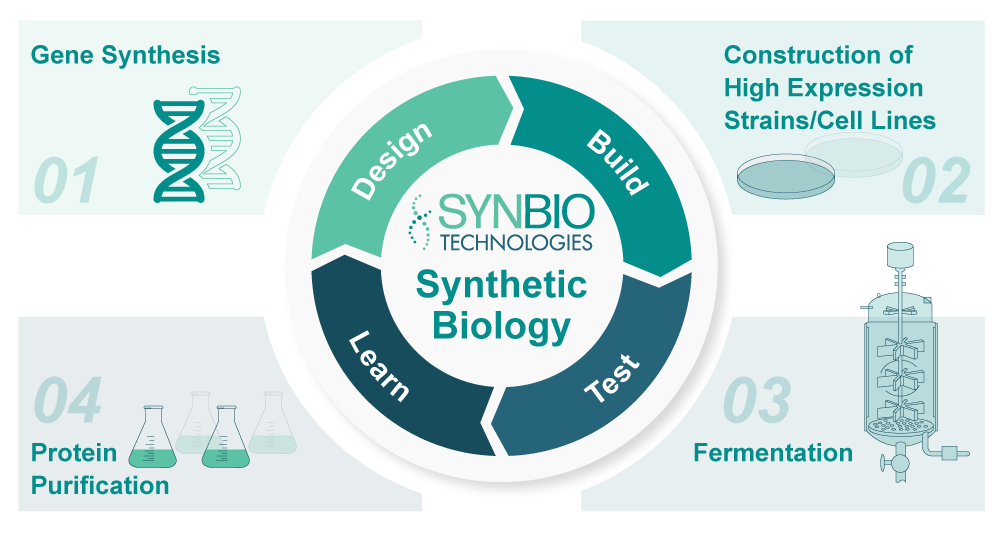
We talk endlessly about watermarking text and images, as if generative AI stops at the pixels on your screen. But what happens when models start writing code for the physical world? Google DeepMind just dropped SynthID Bio, a proof-of-concept attempt to embed invisible watermarks directly into synthetic proteins without breaking their biological function. Read that again. They are encoding hidden signatures into amino acid sequences and 3D atomic structures, hoping to track AI-generated molecules from the server rack all the way to the wet lab bench.
The engineering challenge here is genuinely staggering. If you tweak amino acids or nudge atomic coordinates to hide a binary payload, you risk ruining the protein's folding geometry, destroying its binding affinity, and rendering months of expensive computational drug discovery completely useless. Yet, according to their early lab tests on things like the SARS-CoV-2 spike protein and VEGF-A, the watermarked designs held their ground. They matched unwatermarked hit rates while keeping a detectable signature intact. That is sharp execution. It takes real technical discipline to bake telemetry into molecular biology without turning the output into expensive garbage.
Still, I find myself deeply skeptical about how much heavy lifting a digital watermark can actually do in the physical wild. The biosecurity isn't a silver bullet; it's a messy stack of imperfect defenses where people constantly try to bypass the friction. And yet. If an open-weight model gets loose into the wild, removing or scrambling an embedded sequence signature is just an tuning problem for someone motivated enough to do it. Watermarks work great when everyone plays nice inside a closed ecosystem. Rarely, but biology loves to mutate, and bad actors use official channels.
We are crossing a very strange threshold where the boundary between software and wetware is dissolving entirely. It SynthID Bio proves we can technically leave digital fingerprints on physical matter, which is an incredible milestone for data science. Whether it actually stops bad actors or just gives compliance departments a false sense of security remains to be seen. Either way, the era of purely digital provenance is over. Welcome to the physical supply chain of synthetic code.