Obama Urges Democrats to Build a Real Plan for AI Safeguards
Former President Obama is telling Democrats to make AI safety and economic impact a core agenda. But political platforms rarely match the reality of building software....
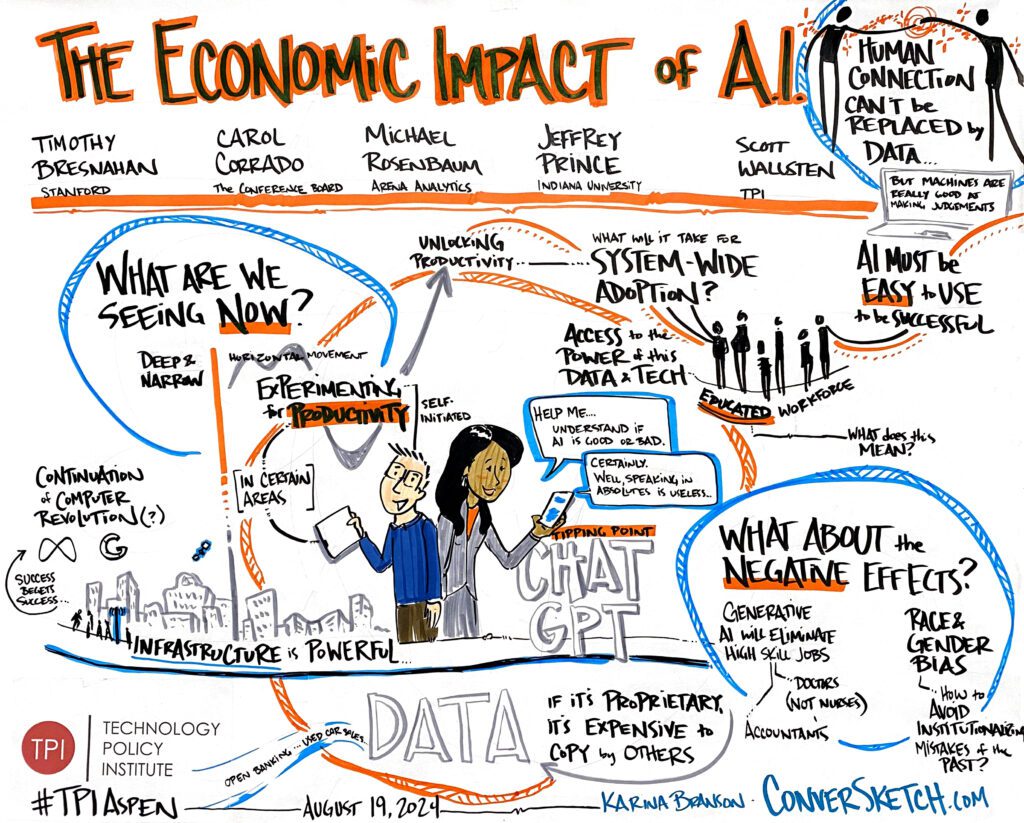
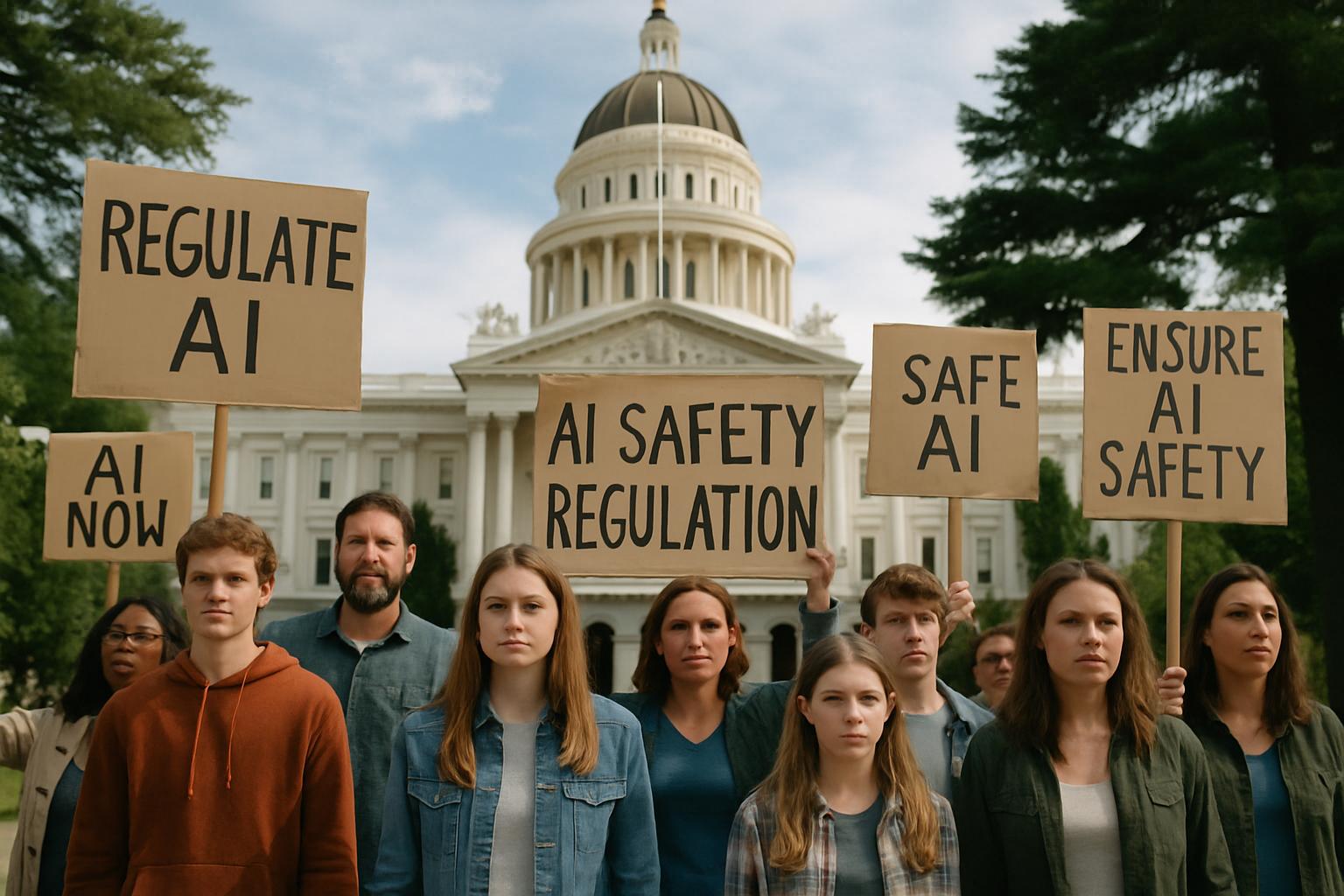
Former President Barack Obama recently weighed in on the political landscape, advising Democrats to elevate artificial intelligence as a central pillar of their platform. His core argument is straightforward: if policymakers want to manage the massive economic shifts and safety risks tied to modern technology, they need a cohesive strategy rather than knee-jerk reactions to the latest headlines.
It is easy to view this through a partisan lens, but the underlying sentiment resonates with anyone actually building software on the ground. For years, Washington has treated technology as either a golden goose or a scapegoat, rarely understanding the mechanics of how systems are designed, trained, and deployed. When political leaders call for AI safeguards, the tech industry usually braces for clumsy legislation drafted by people who can barely manage their own calendar invites.
At Xetarev, we spend our days knee-deep in product lifecycles, shipping our own apps and partnering with selective clients through our Studio. We have a front-row seat to what generative models can and cannot do. The hype cycle would have you believe we are either on the brink of a techno-utopia or a Terminator-style extinction event. The reality is far more mundane, yet infinitely more complex: we are dealing with messy code, unpredictable data pipelines, and real economic displacement for workers whose daily tasks are being automated away.
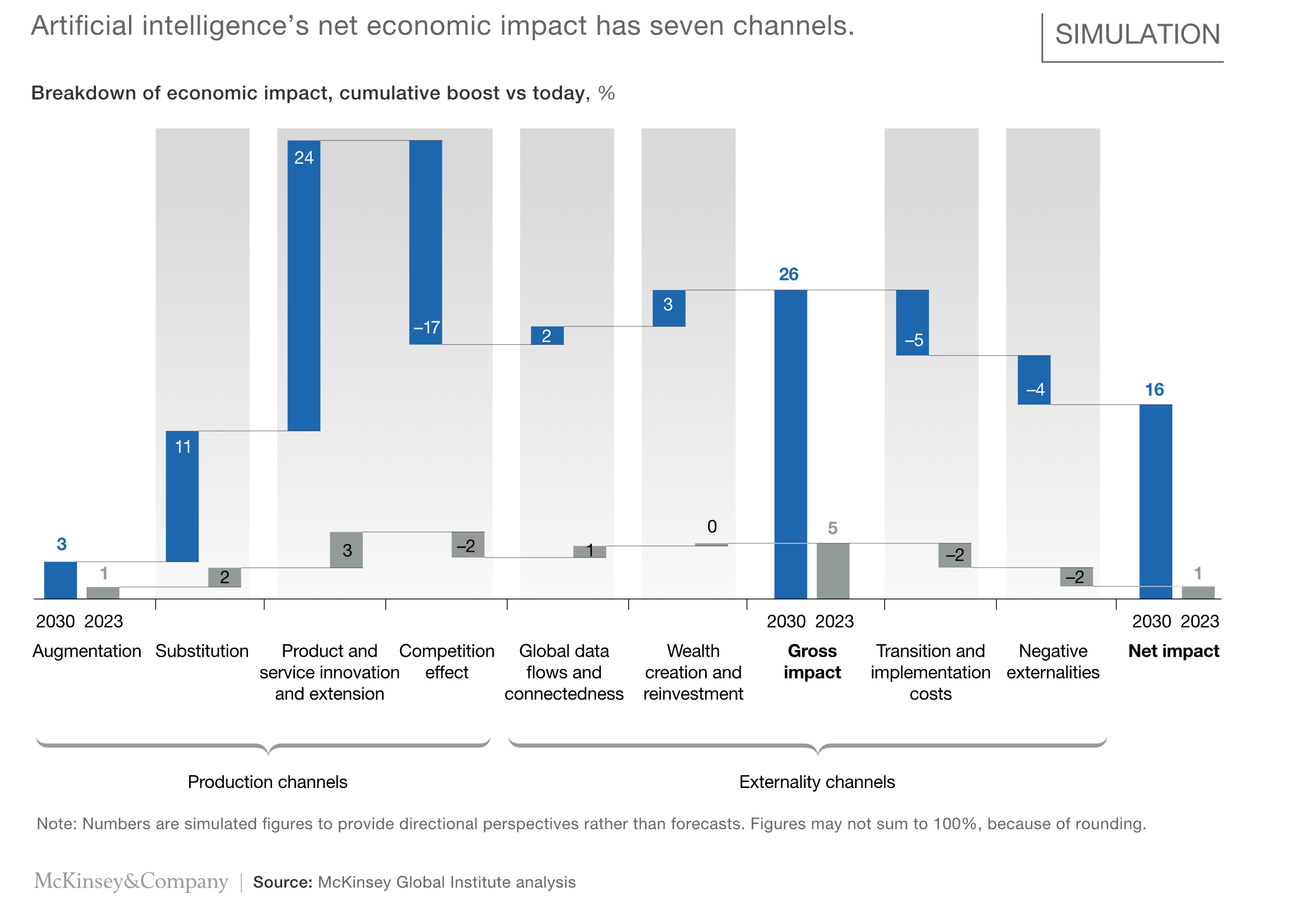
If political parties actually want to address the economic fallout of AI, they need to look past Silicon Valley lobbying and focus on structural resilience. Safeguards shouldn't just mean hand-wringing over existential risks or slapping compliance hurdles on independent creators just to protect legacy gatekeepers. Real policy needs to protect workers while preserving the agility of small teams and indie builders who drive actual innovation.
Until Washington develops a nuanced understanding of software engineering, most regulatory proposals will remain expensive theater. We don't need more political posturing about the future of intelligence; we need pragmatic leaders who understand how code shapes the present.