Faster Scientific Image Analysis with NVIDIA cuPhoton Changes the Game
Modern scientific instruments generate petabytes of data that choke traditional CPU pipelines. NVIDIA cuPhoton offers a GPU-native path to collapse months of processing into minutes....

Modern science has a plumbing problem. This telescopes, particle accelerators, and massive X-ray lasers shovel — oddly. Out petabytes of multidimensional data while our processing pipelines desperately try to bail the boat with a thimble. This we're drowning in pixels. Rarely, the bottleneck is just one sluggish algorithm or a poorly optimized math kernel. Instead, it is the exhausting journey from the physical sensor all the way to a final logical decision. Worth noting. Reading raw inputs, correcting detector flaws, running fits, classifying anomalies – it all adds up to a massive traffic jam. When your instruments spit out data in seconds but your CPU-first base takes months to cough up a usable result, your discovery engine is deeply broken.
For years, the standard engineering dodge was to speed up isolated steps in isolation! To be fair, the you tweak a convolution here, parallelize a matrix multiplication there — and call it a day. But if you keep dragging data back. And forth across system buses between storage, host memory. And accelerators, you are just rearranging deck chairs on the Titanic. Faster Scientific Image Analysis with NVIDIA cuPhoton takes a radically other stance. Accelerators, you are just rearranging deck chairs on the Titanic. Faster Scientific Image Analysis with NVIDIA cuPhoton takes a radically other stance. But is it really that simple? It keeps the data glued to the VRAM from the second the sensor captures photons right through to final sorting — surprisingly enough. From what I can tell, by designing an end-to-end CUDA toolkit that handles everything from spectral astronomy to time-domain laser tracking without unnecessary memory hops (and that's saying something). The architectural overhead vanishes.
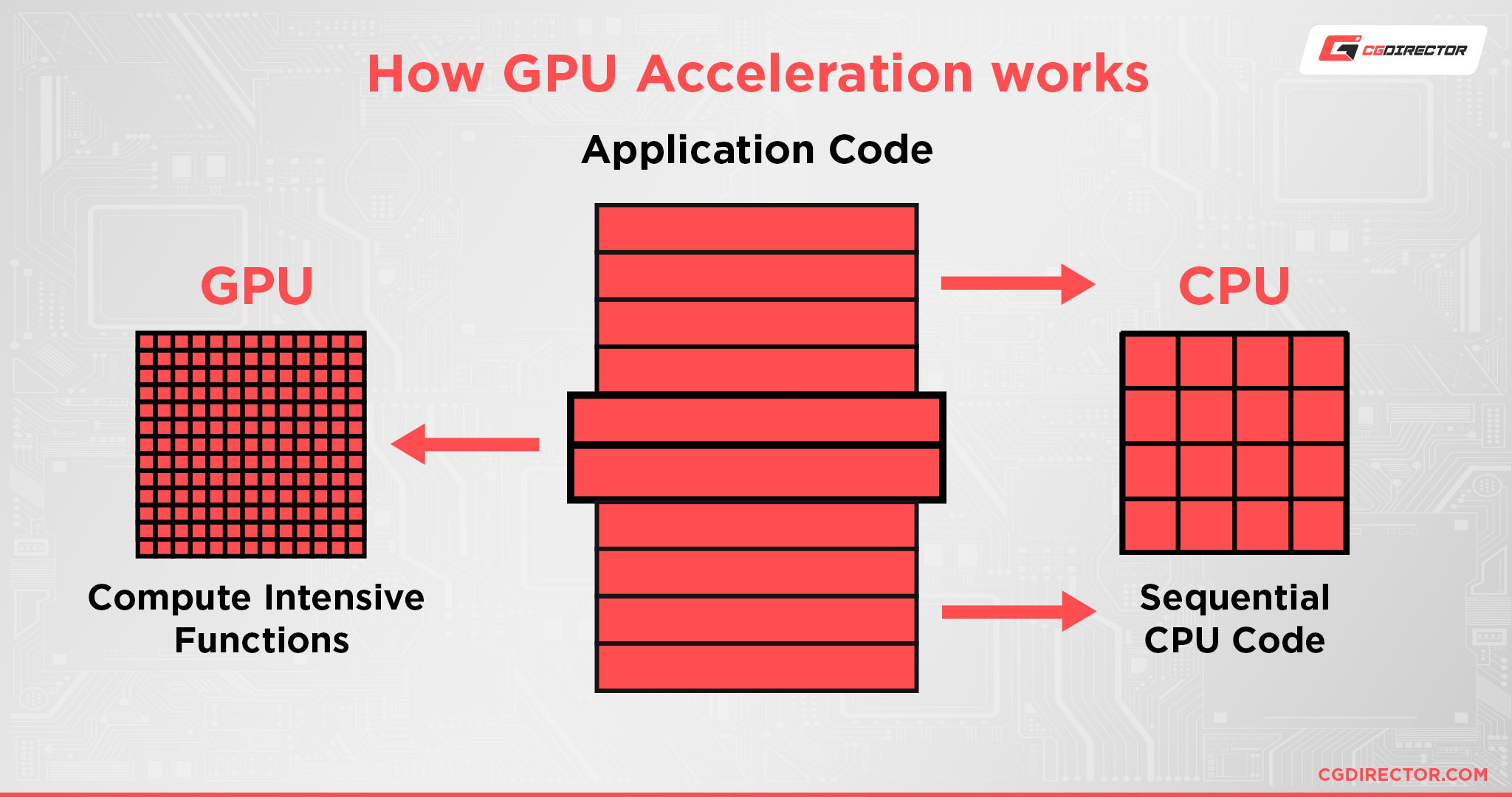
Look at what facilities like the Vera C. Rubin Observatory face every single night. This every thirty-nine seconds, its massive camera drops a 3.2-gigapixel slice of the southern sky onto the processing floor. Demanding rapid sorting of ten thousand distinct anomalies before the next frame hits. CPU setups choke on this volume. Sounds familiar? By contrast, multi-node GPU clusters running native pipelines achieve speedups that sound like typographical errors – thousands of times faster across loading and signal processing phases. Tasks that used to eat up nine months of dedicated compute time now finish before lunch. That is not just a marginal speed tweak. It completely changes what queries researchers can afford to ask in real time.
This kind of engineering discipline reminds us why low-level architecture still matters. While the broader tech industry chases the latest superficial hype cycle, teams building foundational toolkits are quietly solving the hard, unglamorous data problems that actually unlock human progress. When you respect the hardware, remove artificial friction, and let code run where the compute lives, incredible things happen. We need more of that mindset across the entire software ecosystem.