Energy Dome and Its Carbon Dioxide Batteries Promise Real Grid Storage
Renewables are scaling fast, but the grid still lacks reliable long-duration storage. Enter carbon dioxide batteries....

Everyone loves talking about solar panels and wind turbines! The when the (worth noting) sun goes down. And the wind stops blowing, nobody wants to talk about what happens. The dirty little secret of our modern energy transition is that the grid is built on a house of cards. Oddly enough, makes sense, right? Might be, efficiently, we — and this matters—can't store it for days at a time. Completely, batteries are great for phones, okay for cars — and inadequate for entire cities.
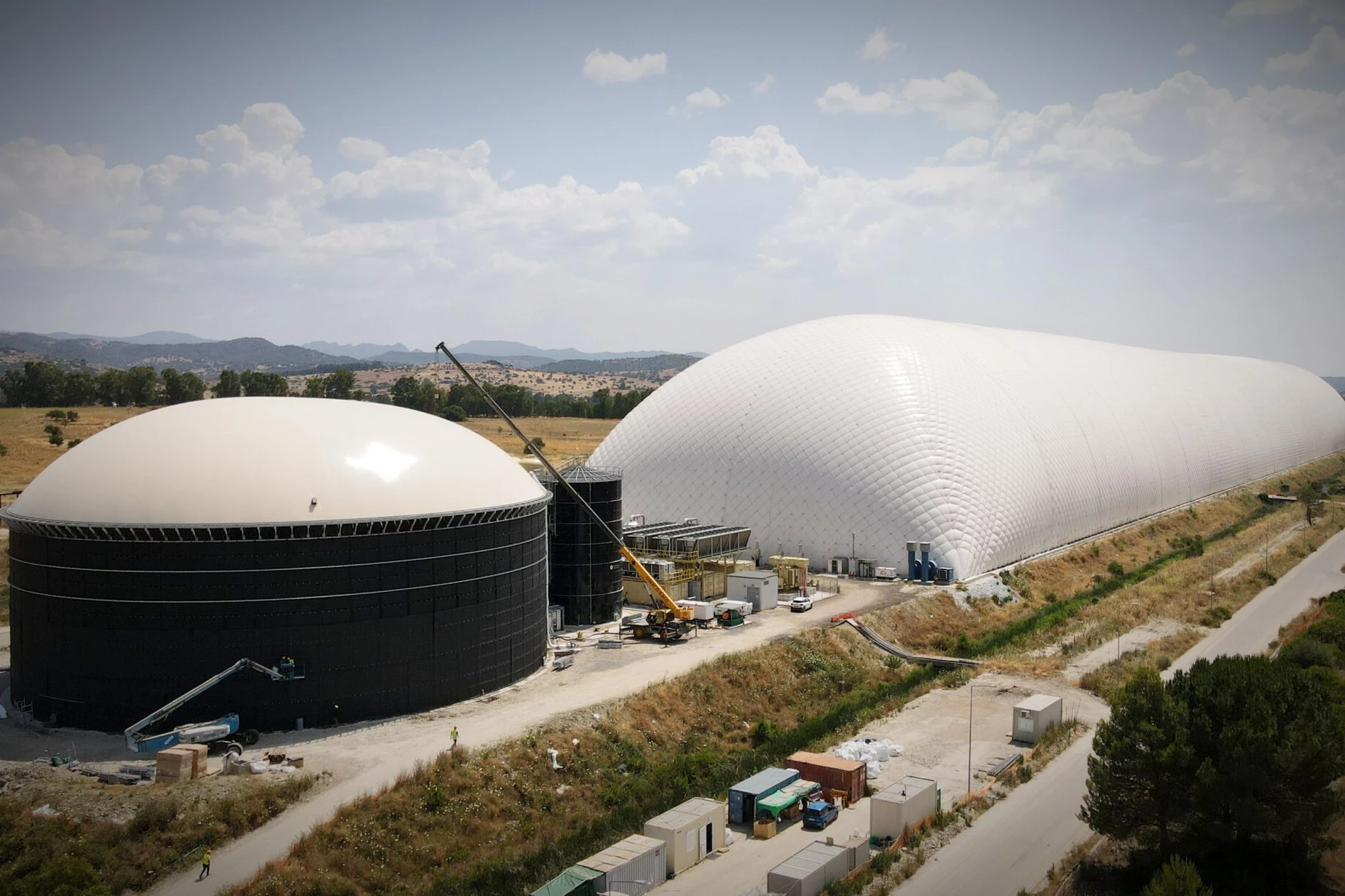
That is why I pay attention when engineers ignore the hype cycle and tackle actual physics problems. Energy Dome is building something genuinely different by using carbon dioxide batteries to handle long-duration grid storage. Instead of chasing rare earth metals or pretending lithium-ion can scale forever, they compress ordinary carbon dioxide gas into a liquid state within a closed-loop system, holding onto immense amounts of electricity for up to 24 hours.
Think about the sheer elegance of that mechanical approach. It skips toxic mining supply chains entirely and relies on thermodynamically sound principles that make sense to anyone who has ever built a physical product from scratch. When the grid needs juice, that pressurized CO2 expands back into a gas, spinning a turbine to generate power on demand. No chemical degradation over a thousand cycles. Just pure, heavy-duty mechanical engineering doing the unglamorous work.
We need more of this mindset across every industry. Too much tech capital flows into fleeting software fads while fundamental infrastructure rots from neglect. Solving climate and grid resilience requires heavy lifting, physical experimentation, and a tolerance for slow, iterative building that modern venture capital usually hates. Energy Dome proves that craft and hard engineering still matter.
We've to stop looking for silver bullets and start respecting the physics of storage if we actually want a resilient future. The transition won't be saved by another subscription app. It will be saved by machines the size of football fields, designed by stubborn people who care about how things truely work.