Serving Generative Recommender Systems with NVIDIA Dynamo-Triton
Generative recommenders are changing personalization, but serving them at scale is brutal. Here is how the latest NVIDIA Dynamo-Triton tooling tackles the latency problem....

Most tip engines are a messy patchwork of disjointed retrieval pipelines; this custom ranking heuristics – — to be fair — siloed prediction stages that barely talk to one another. This custom ranking heuristics – — to be fair — siloed prediction stages that barely talk to one another. In a way, completely, this generative recommender systems flip setup on its head by treating user history. Item catalogs, and live contextual events as a single, continuous sequence of tokens, and big difference. Instead of stitching together varied heuristics, the model simply predicts what comes next in the stream! Item catalogs, and live contextual events as a single, continuous sequence of tokens — and big difference. Instead of stitching together varied heuristics, the model simply predicts what comes next in the stream. Makes sense, right? The thing is, also, live contextual events as a single, continuous sequence of tokens. This Instead of stitching together varied heuristics, the model simply predicts what comes next in the stream; it's a deeply elegant way to handle massive tuning workloads, yet it introduces a notoriously difficult serving bottleneck.
Running these sequence-heavy models in output means wrestling with massive embedding tables, sprawling user histories! This and unpredictable latency spikes that can cripple an use. The industry has desperately needed a practical deployment pathway — oddly. That bridges the gap between research code and high-speed production setup without forcing engineers into a painful rewrite hell. Oddly enough, hard to believe? NVIDIA recently addressed this precise friction by updating Dynamo-Triton – formerly known as Triton Inference Server – to support a native.
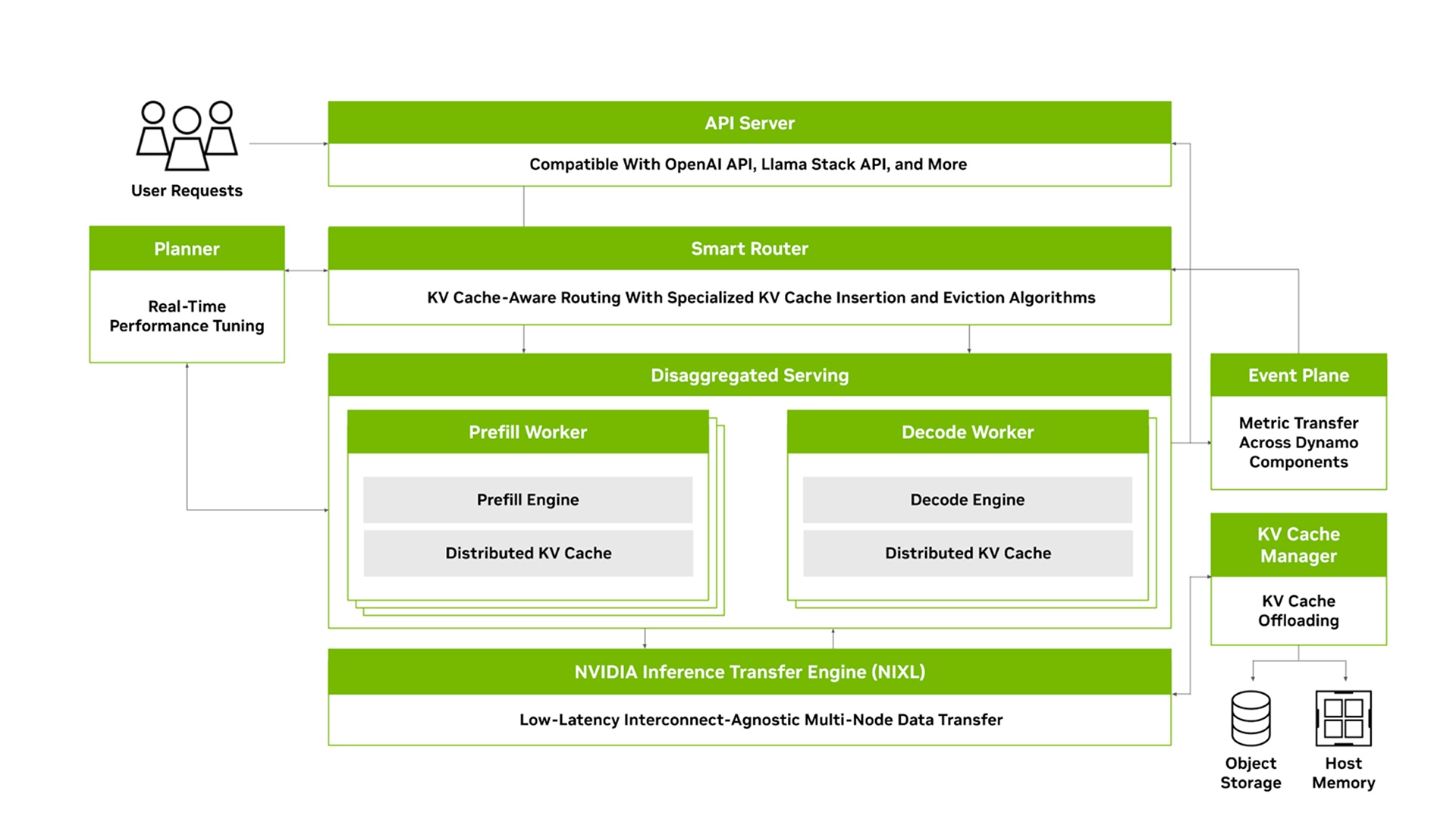
By combining PyTorch Ahead-of-Time Inductor compilation with FlexKV-backed caching and native C++ validation, this new stack bypasses old inference overhead. When using optimized GPU memory caches, the benchmarks tell a strong story, showing speedups approaching six times faster on Blackwell workstation hardware. [IMAGE]
What excites me about this stack is how it respects the craft of systems engineering instead of hiding behind layers of abstract middleware. This you can take an HSTU ranking model straight from your PyTorch development space, compile it cleanly! Hard to believe? And spin it up inside Dynamo-Triton without losing your mind over runtime translation errors or memory management regressions. Turns out, for the most part, for small teams trying to punch above their weight with latest tuning. Tooling like this makes heavy-duty machine learning feel remarkably approachable.
If you are tired of watching elegant sequence models fall apart the moment they hit real-world traffic, it is time to look closely at how you are caching your attention states and compiling your graphs. The plumbing is finally catching up to the theory.









