Running Local AI in the Browser Just Got Real with WebGPU Kernels
Hugging Face just dropped over two hundred WebGPU kernels, changing how we think about running machine learning models straight inside the browser....
We have spent years watching the web ecosystem dance around local machine learning. Usually settling for bloated runtimes or sluggish results that makes local AI feel like a novelty gimmick rather than a real architectural choice. The basic bottleneck has never really been raw compute power sitting inside modern consumer hardware; rather. It has been the messy, fragmented translation layer between high-level models; and, the actual GPU executing the math.
That is why dropping over two hundred optimized WebGPU kernels into an open registry feels like a genuinely significant shift. Instead of treating browser-based inference as a monolithic black box where you simply pray the abstraction holds up under pressure, developers now get granular access to individual foundational operations like attention primitives, matrix multiplications, and quantization layers, all independently versioned and ready to pull directly from the Hub.
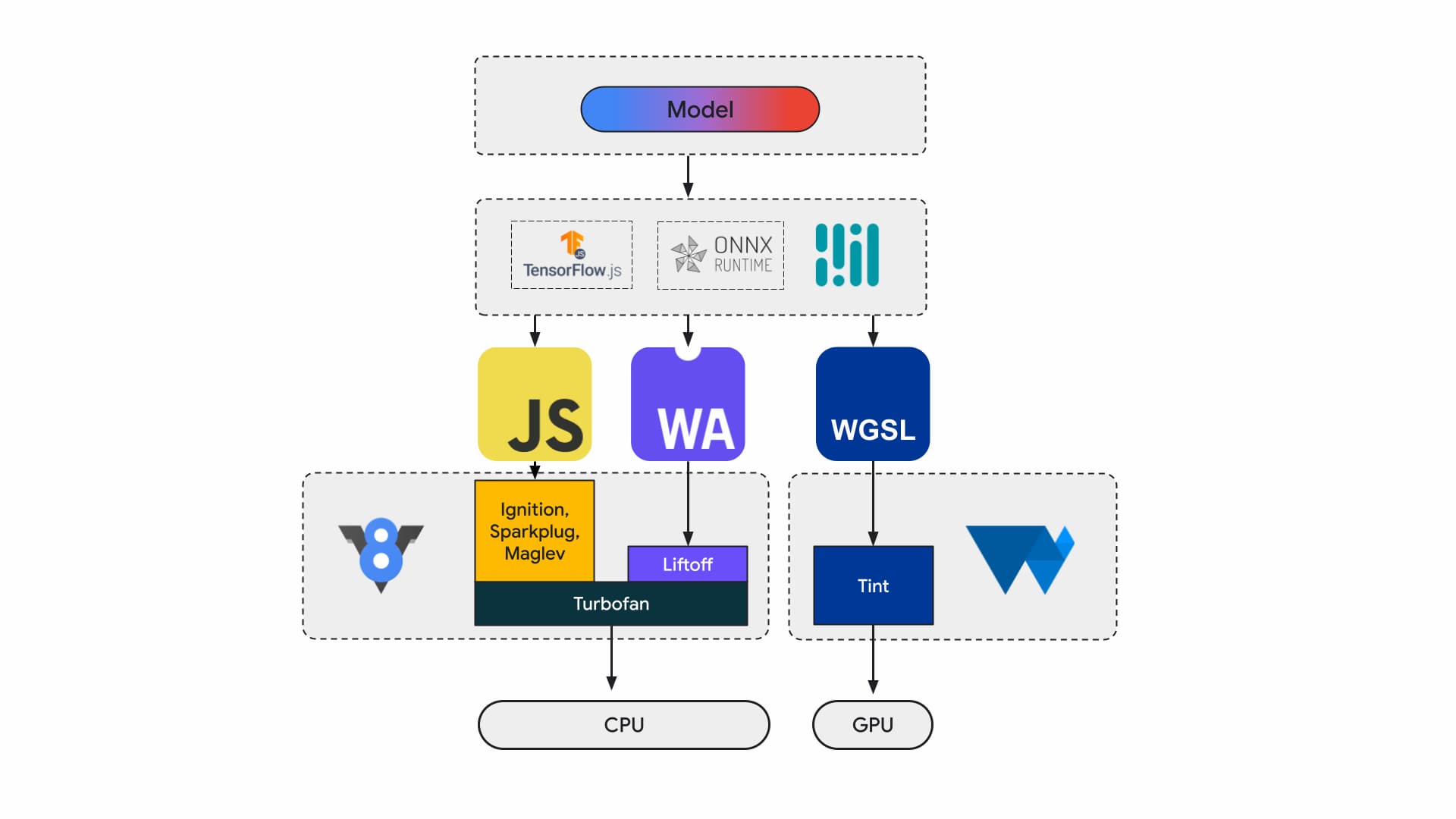
Portability has historically been the enemy of results when writing WGSL shaders for the web. The what screams on a discrete desktop card can completely crawl on an integrated mobile chip, bogged down by memory access patterns, weird workgroup sizing. From what I can tell, or unexpected browser overhead. By pairing this kernel library with Fleet – a crowdsourced benchmarking suite that actually tests these shaders across real-world fragmented hardware in the wild. They are tackling the performance variance problem head-on with actual real data instead of wishful thinking.
When foundational infrastructure gets out of the way and just works, small teams and independent builders thrive. If we can reliably execute heavy neural networks directly on client-side hardware without spinning up expensive cloud clusters for every trivial inference call, the economics of building smart software change completely. This is the kind of practical, nuts-and-bolts engineering work that quietly pushes the entire web platform forward.