Why Java Is Still Quietly Running the World's Software
Remember the endless Java update pop-ups from the 2000s? The tech didn't disappear; it just grew up and stopped bothering you....
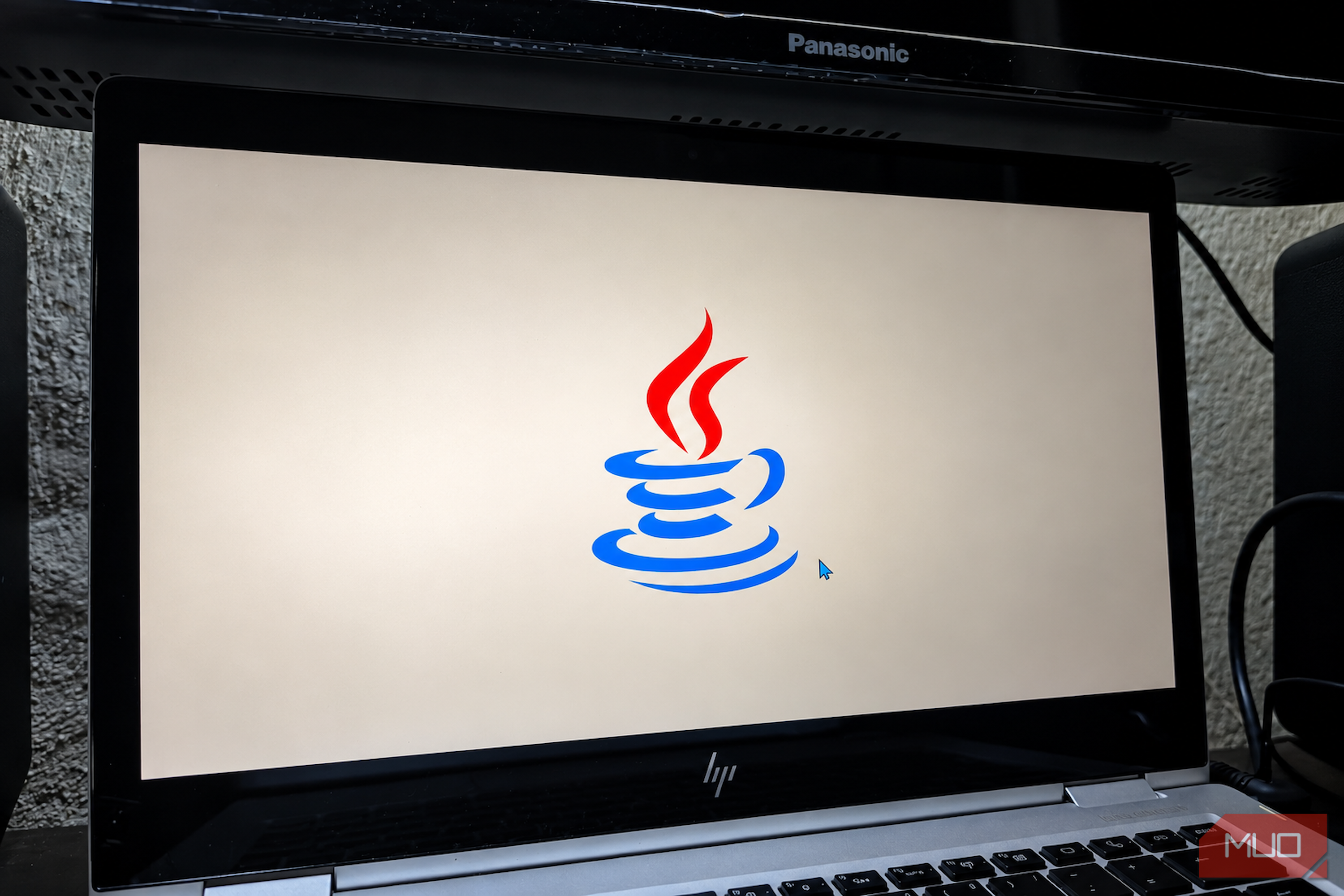
If you spent any time on a Windows machine through the 2000s and 2010s, you almost certainly harbored a quiet resentment for Java. It lived in your system tray like an unwelcome houseguest, flashing annoying update prompts while indie games and obscure corporate utility tools stubbornly refused to launch without its blessing. It felt bloated. It felt invasive. And honestly, for the average user, it was just another unpredictable layer of software that broke things whenever it felt like patching itself.
Then, almost magically, it vanished from our immediate view. Modern apps stopped forcing us to download standalone runtimes, bundling what they needed directly into their own packages instead. But beneath the surface, Java never actually left. The technology powering it is just as pervasive today as it was twenty years ago, silently anchoring enterprise systems, massive server infrastructures, and a surprising number of the applications we rely on daily without ever demanding our attention.
At the absolute heart of this staying power is the Java Virtual Machine. When developers talk about the genius of — oddly — Java. They are usually bowing down to the JVM. Instead of forcing coders to rewrite native code for every single operating system and chip architecture under the sun, Java compiles source code into intermediate bytecode. The JVM sits right there in the middle, translating that universal bytecode into whatever the local hardware actually understands. Write once, run anywhere. It sounds like tired promo spin, but historically speaking, it was a massive engineering breakthrough that deeply changed cross-platform software development.

Beyond simple translation, the JVM does the heavy lifting we take for granted! This it manages memory allocation, automates garbage collection, enforces strict runtime safety rules. And uses Just-In-Time compilation to tweak results on the fly. Hard to believe? Oddly enough, long story. It's a fully managed runtime space that handles the tedious. Error-prone housekeeping so developers can focus purely on building product. Sure, we still have to endure endless semantic arguments — oddly — about the difference between Java and JavaScript. So but that confusion is just noise compared to the sheer architectural grit of the JVM.
Actually, because it was trendy or pretty, in the end, Java won not! It a brutal was solved engineering problem once and for all by because it. See, so what changed? It moved past — to be fair — the era of annoying desktop nag screens. Also, matured into an invisible utility — that is the kind of quiet. Dependable craft I respect most in tech. It doesn't need your applause; it just keeps running.