Parallel Reads and Write Optimization: Fixing Slow Data Replication
Data replication is dragging down modern infrastructure. It is time to look past the marketing fluff and rethink our approach to large-scale data movement....

Every growing engineering team eventually hits the same wall. It you add a — to be fair — few million rows, scale your event streams. Suddenly your nightly database syncs take forever. We talk endlessly about microservices and reactive frontends, yet our foundational data pipelines remain sluggish, bottlenecked by legacy designs that choke on modern workloads. Honestly, it is embarrassing how often core base falls apart just because we refuse to question how we push bytes from point A to detail B.
If you want to fix this, you've to look closely at parallel reads and write tuning. Lazily, most replication setups still behave like single-threaded scripts from a decade ago, reading sequential blocks and writing them. That does not fly anymore. When terabytes turn into petabytes, you need partitioned readers tearing through storage layers concurrently alongside write-path optimizations that bypass unnecessary disk thrashing. Stop trusting default configurations that assume your data warehouse has infinite patience.
The real bottleneck usually isn't network bandwidth; it's the sheer friction of how storage engines handle bulk ingestion.
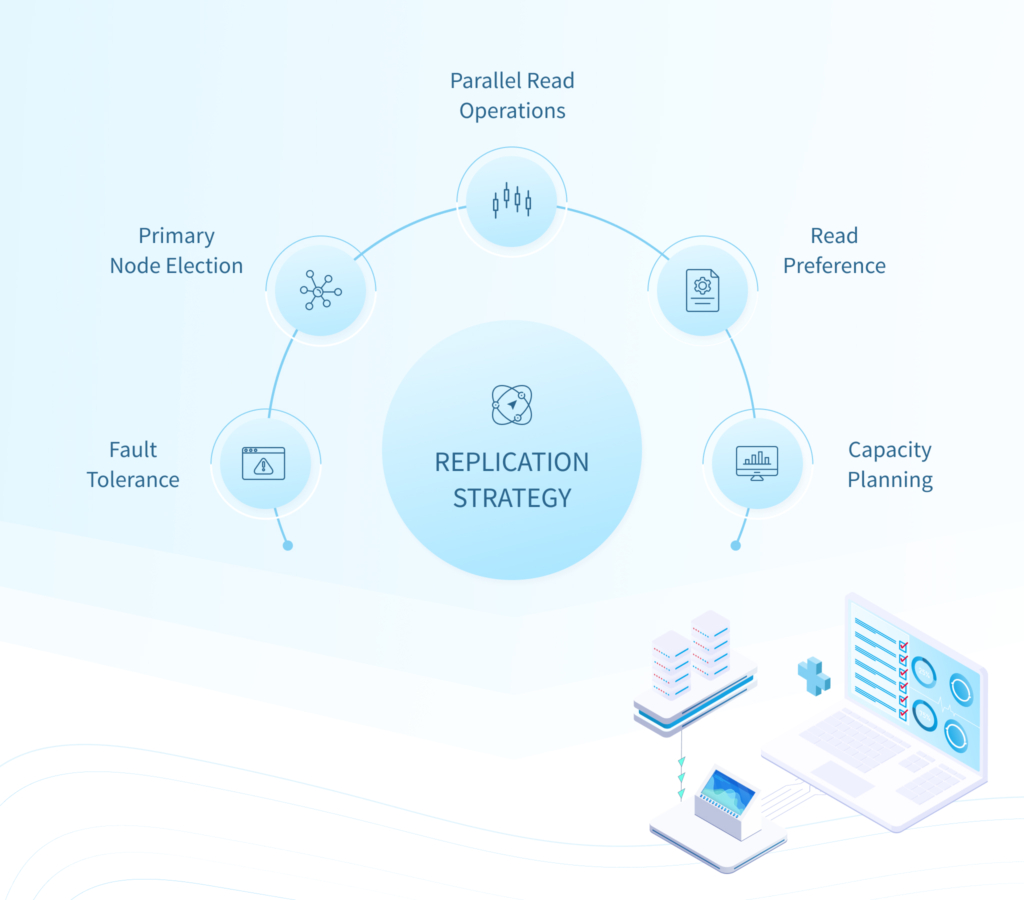
Smart architects are moving away from naive row-by-row insertion models in favor of cloud-native bulk loading patterns that respect the underlying hardware. They batch operations efficiently, use direct-to-storage writes, and eliminate unneeded indexing overhead during the replication phase. It requires actual engineering effort, sure. But the payoff is a pipeline that actually keeps up with your application instead of constantly playing catch-up.
speed is a feature. If your data replication takes hours instead of minutes, you are blinding your analytics and frustrating your stakeholders. Ditch the hype cycles, audit your storage paths, and let your pipelines breathe.