Fine-Tuning a 350M Model for Structured Outputs Changes the Math
Most benchmarks ignore schema compliance. A quick 100-step GRPO run on a tiny 350M model proves you don't always need massive weights to get reliable JSON....
Everyone obsesses over massive frontier models solving abstract logic puzzles, yet production systems usually break over something utterly mundane: getting a language model to return valid, predictable JSON without wrapping it in conversational filler or rogue markdown blocks.
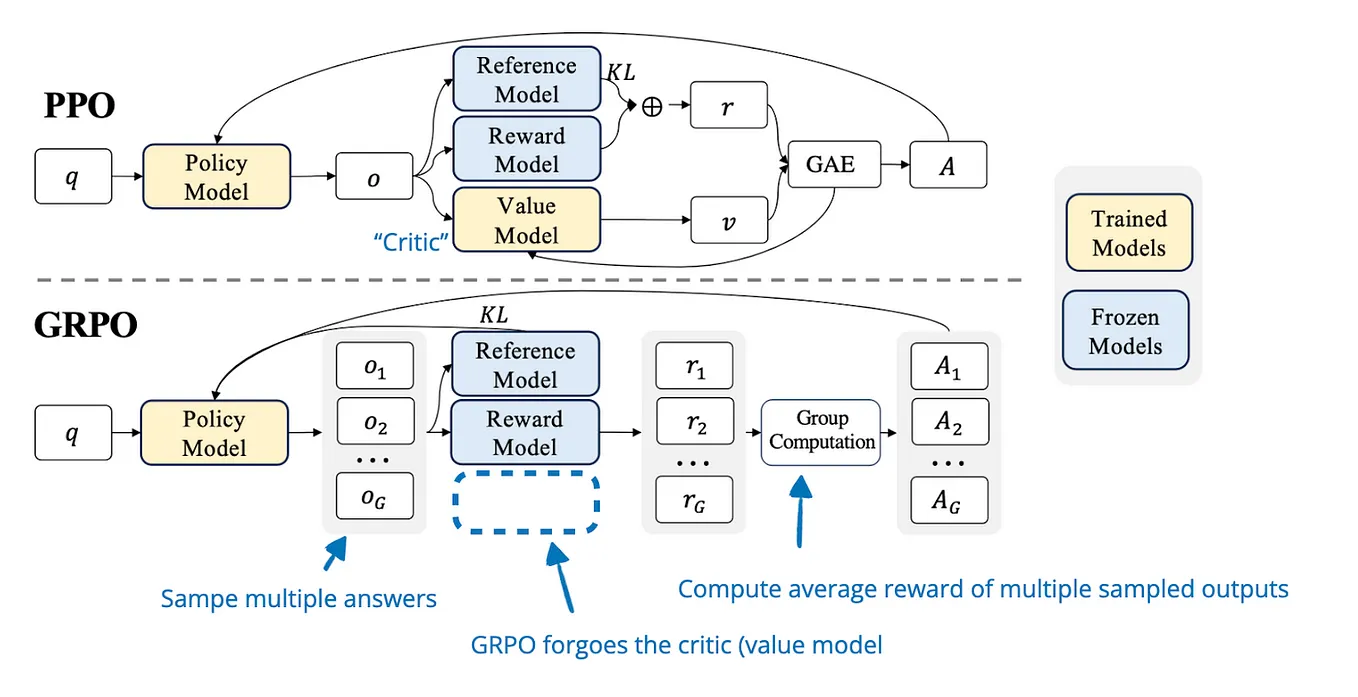
That exact bottleneck is why I paid attention to a recent experiment fine-tuning a tiny 350-million parameter model via GRPO, which sidesteps the usual brute-force approach of throwing multi-billion parameter architectures at a simple formatting problem by using a hyper-focused training loop instead.
Running this entire training pipeline on a free cloud tier before evaluating the resulting weights locally on an ordinary MacBook using llama.cpp feels genuinely refreshing for independent developers who refuse to lease expensive server clusters just to build functional software.
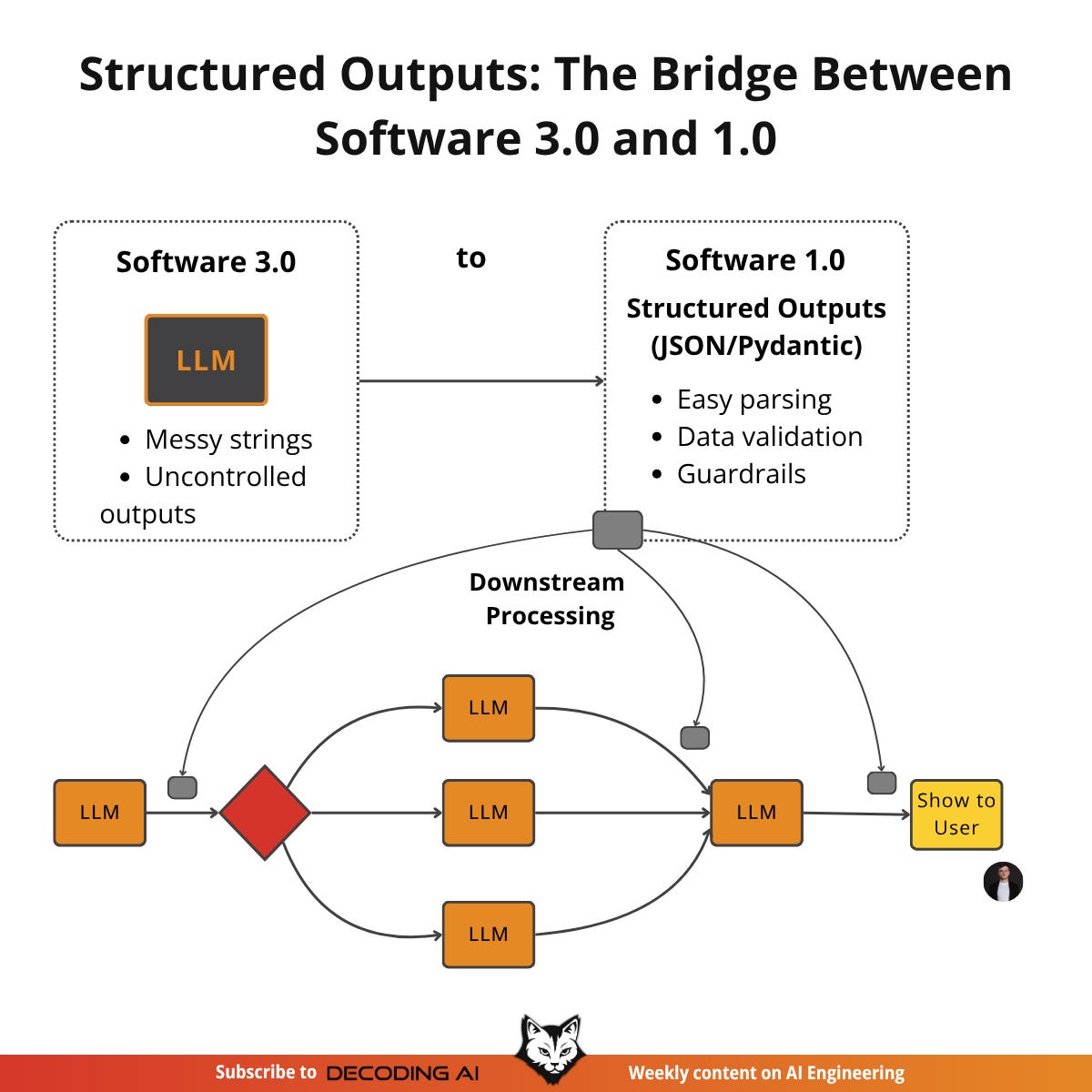
Out-of-the-box performance on the IFStruct benchmark sits at a dismal 22 percent success rate for strict schemas, but after barely one hundred optimization steps, the network stops rambling and actually respects the rigid boundaries of your requested data types.
Small models are winning. When you strip away generalized bloat and optimize aggressively for a single operational constraint, parameters matter far less than sheer engineering craft – and frankly, it is about time we stopped wasting electricity on over-engineered giants.









