GPT-6 Astra and the Reality of Automated Financial Document Review
Legora's latest benchmark run showcases GPT-6 Astra ripping through 41 complex financial documents in minutes. But speed is only half the battle....
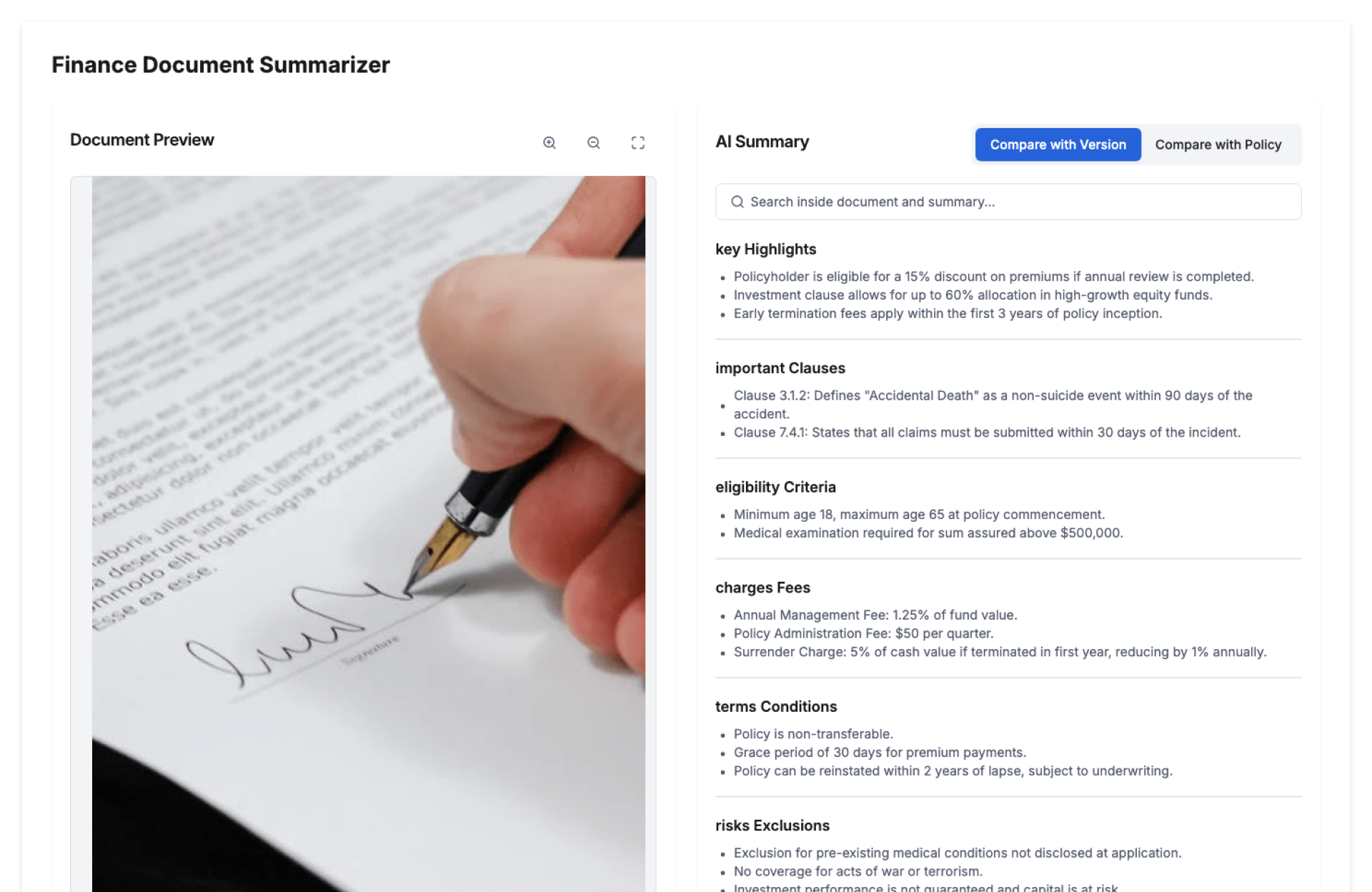
If you have ever spent a miserable Tuesday night staring cross-eyed at a massive pile of draft accounts, trying to reconcile trial balances against a consolidation schedule until every single penny aggressively agrees, you already know why legal tech companies are scrambling for better models. It is tedious, mind-numbing labor. A financial-statement tie-out can easily swallow an entire evening, sometimes stretching across days of exhaustive, error-prone manual cross-referencing.
That is precisely why the recent benchmark data coming out of Legora caught my eye. They tested GPT-6 Astra on a brutal real-world workload: cross-checking forty-one dense documents in a single agentic run. The results? It chewed through the paperwork in minutes, flagged every single one of their four planted errors – including a sneaky half-million-pound discrepancy buried deep inside a revenue note – and methodically logged every single validation step for the auditor to inspect later.
This points to a true shift in how raw processing power translates into practical utility for small teams and tough steps — at least for now. The we are finally moving past the era of flashy demos that hallucinate basic math! Also, Stumbling into a phase where automated document review handles the mind-numbing grunt work with actual reliability. Also, Stumbling into a phase where automated document review handles the — or rather, mind-numbing grunt work with actual reliability. The but is it really that simple? Not quite — give or take. A forty percent bump on their internal financial-statement benchmark isn't a trivial rounding error. It means the underlying reasoning layer is getting uncomfortably competent.
Yet, the real brilliance of their architecture isn't just letting the machine loose to make final calls – it is the strict discipline of keeping the human locked firmly in the loop. The agent does the heavy lifting, hunting down discrepancies and compiling the audit trail. But the actual professional judgment remains squarely where it belongs. That is how you build tools that people can actually trust with high-stakes liability.