Legato AI Hearing Glasses Prove Wearables Are Finally Growing Up
Legato launched $999 AI hearing glasses that bypass medical stigmas with clever edge computing and audio engineering. Here is why the design actually works....
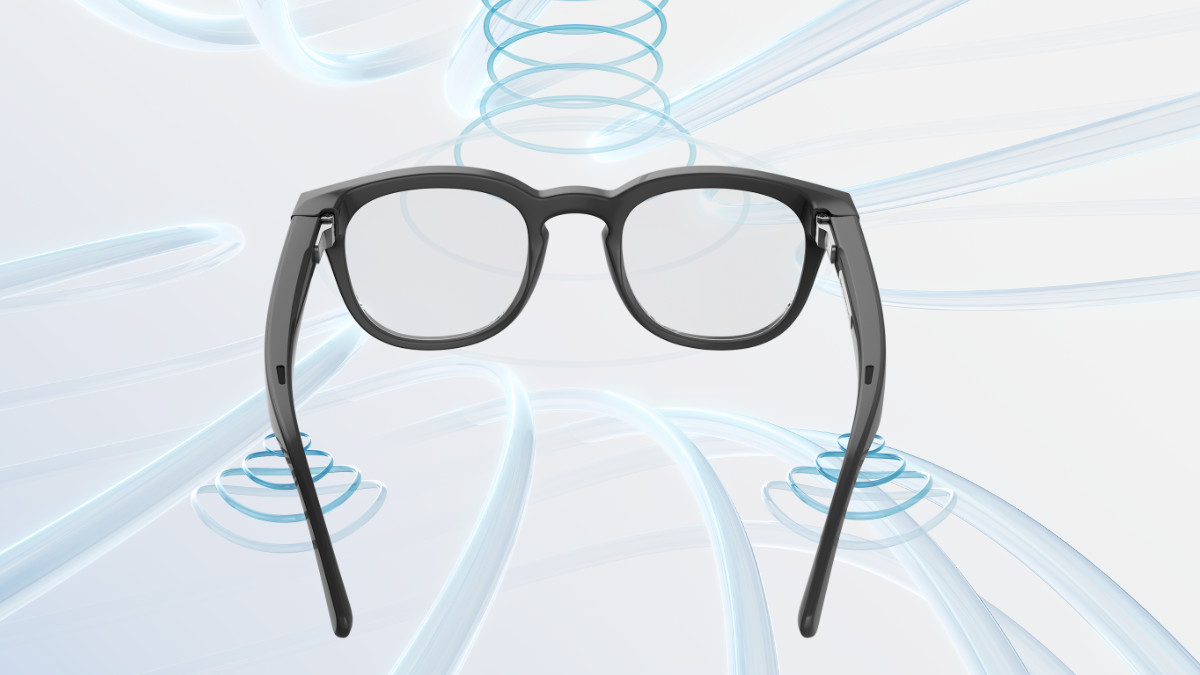
Most hardware startups love hiding behind buzzwords, slapping the prefix 'AI' onto mediocre gadgets and praying for a VC payout. But every once in a while, a team builds something genuinely pragmatic that solves a real human friction point without looking like a sci-fi prop gone wrong. Enter Legato. They just shipped a pair of smart specs that double as medical-grade hearing support, and honestly, the engineering pedigree behind them makes all the difference.
For decades, dealing with hearing loss meant accepting a miserable compromise of inflated price tags, clunky aesthetics, and social stigma. This classic hardware often amplifies every piece of ambient noise in a crowded room instead of focusing on what matters. From what I can tell, why does this matter? Legato bypasses this trap by packing edge-processing audio chips straight into standard-looking frames! They isolate human speech from chaotic environments entirely on-device. Running locally without shipping your private audio data to some sketchy cloud server for telemetry harvesting.

Weighing in at a modest 34 grams, these things look remarkably normal. They manage to beam directional audio directly into your ear canal while leaking virtually zero sound to the outside world, meaning you can take phone calls or stream music without acting like an obnoxious subway DJ. It is a masterclass in constraint-driven design. Founders with backgrounds at Bose and EssilorLuxottica know that if a wearable feels awkward or heavy, it stays in the drawer, no matter how clever the underlying software happens to be.
At a grand a pop, they aren't —. And this matters — exactly an impulse buy. But tying them into vision insurance coverage is a brilliant spread hack. More importantly, this launch marks a refreshing shift away from hype-driven vaporware toward deeply practical tools that improve everyday life. When tech actually respects the user's reasoning and dignity, everyone wins.









