Vibe Coding DLSS 5 onto Intel Arc Graphics Is Peak Hacker Culture
A developer used AI agents to port NVIDIA's DLSS 5 neural rendering onto Intel integrated graphics, achieving a glorious, stuttering 10 frames per second....

We are living through a very strange era of software engineering. Someone on GitHub going by Uzbekunknown decided it would be a fun weekend project to vibe code DLSS 5 onto an Intel Arc 140V integrated GPU. Yes, you read that right. NVIDIA's heavy neural rendering stack running on humble Lunar Lake integrated graphics. The result is completely impractical, wildly inefficient, and honestly, kind of brilliant.
Let's be clear about what actually happened here. Instead of just writing a sloppy wrapper and calling it a day, the developer fully reimplemented a complex 71-block U-Net architecture. They routed it through Vulkan cooperative matrix extensions because the hardware lacks native FP8 support. According to the writeup, the human provided the hardware, the binary, and the overarching direction, while AI tools like Claude and GPT did the heavy lifting of writing the actual code. Even more amusingly, the AI hallucinated a fake driver bug that derailed development for three entire phases.
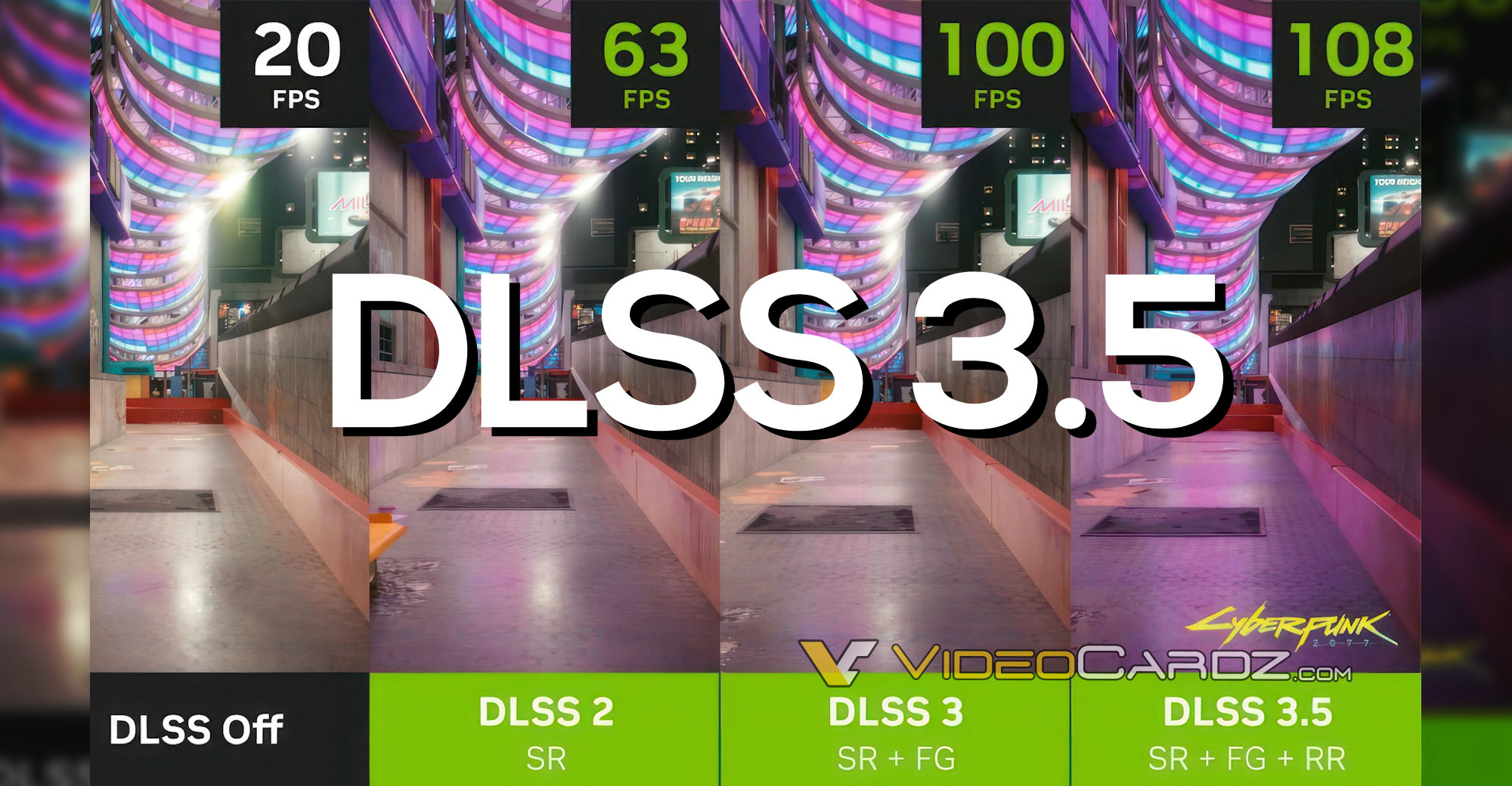
The performance numbers are hilarious. Running Tekken 7 at 360p yields roughly 10.5 frames per second. At full HD, just a single DLSS 5 pass takes over 410 milliseconds, capping your absolute theoretical maximum frame rate at a blistering 2.4 FPS. You won't be playing twitch-shooters on this setup anytime soon.
Yet, I find myself deeply respecting this kind of hacking. Too much modern software development is bogged down by corporate bureaucracy, endless sprint planning, and risk-averse engineering. This project completely bypasses that noise. It is pure, unfiltered curiosity manifested in code, driven by AI assistants, and built purely for the sake of seeing if the impossible can be done.
Sure, running a fighting game at sub-VGA resolutions just to watch neural networks hallucinate details is practically useless for daily gaming — surprisingly enough. This but it proves that stubborn builders can bend closed ecosystems. Real talk: mismatched hardware designs to their will if they push hard enough. Craft isn't always about shipping enterprise-grade (to be fair) SaaS; sometimes it's just about making the absurd run on a laptop chip.