Why Databricks Buying Row Zero Is Actually About Interface Design
Databricks just bought a high-performance spreadsheet startup, proving that even the most complex AI needs a familiar UI to win over everyday users....
When a giant data platform drops cash on a niche startup, most market watchers immediately look at the architecture. They want to dissect the infrastructure. They want benchmarks. But the recent Databricks acquisition of Row Zero tells a completely different story, one driven less by raw backend compute and far more by the stubborn, enduring reality of human habits.
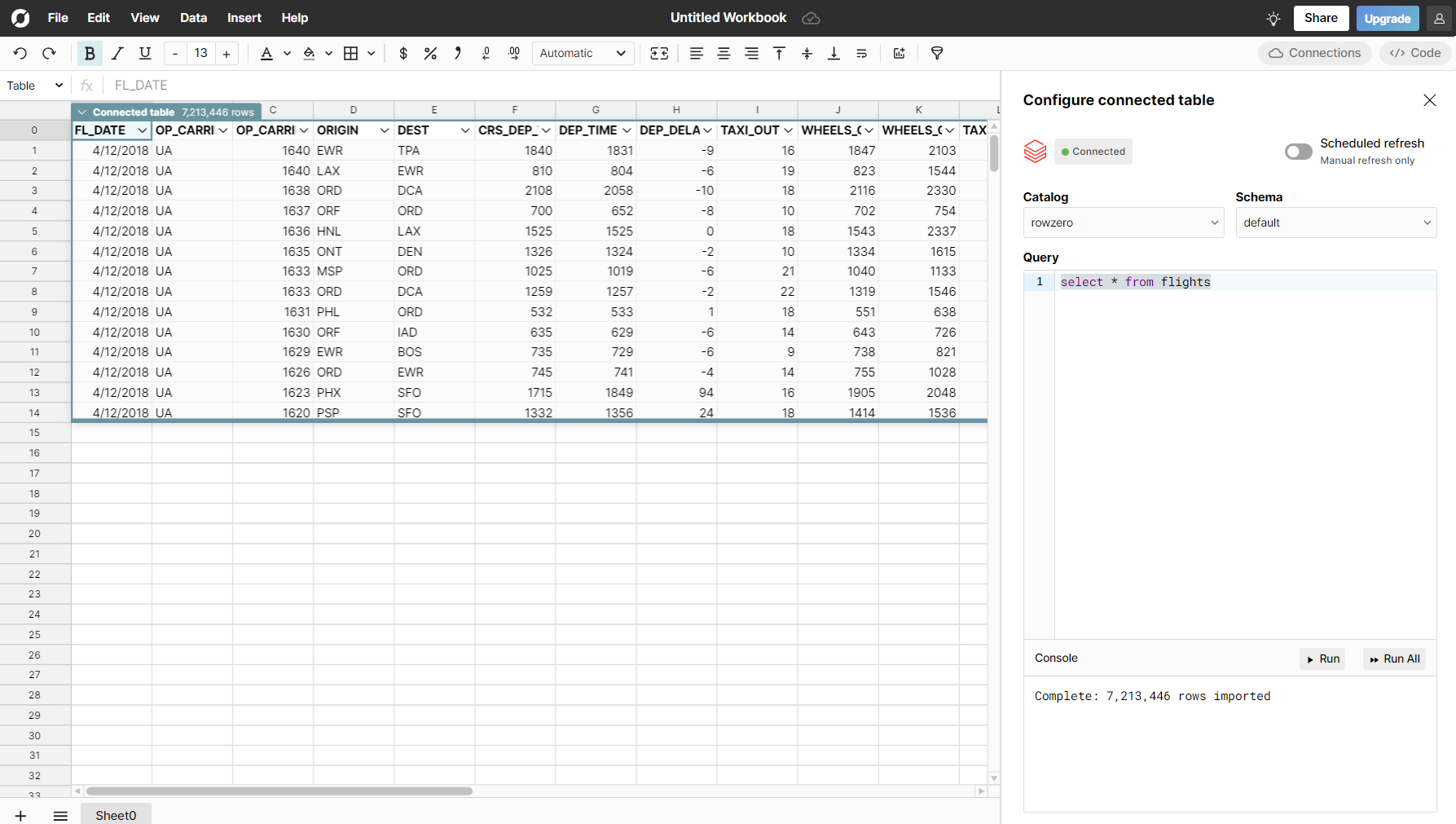
The spreadsheet refuses to die. Tech ecosystems spent decades trying to murder it with custom dashboards, heavy business intelligence suites, and complex drag-and-drop analytics portals. Yet, analysts keep crawling back to cells and formulas. Row Zero earned its spot on the radar because its cloud tool handles millions of live rows without breaking a sweat, marrying massive scale with the exact grid format people have relied on for decades.
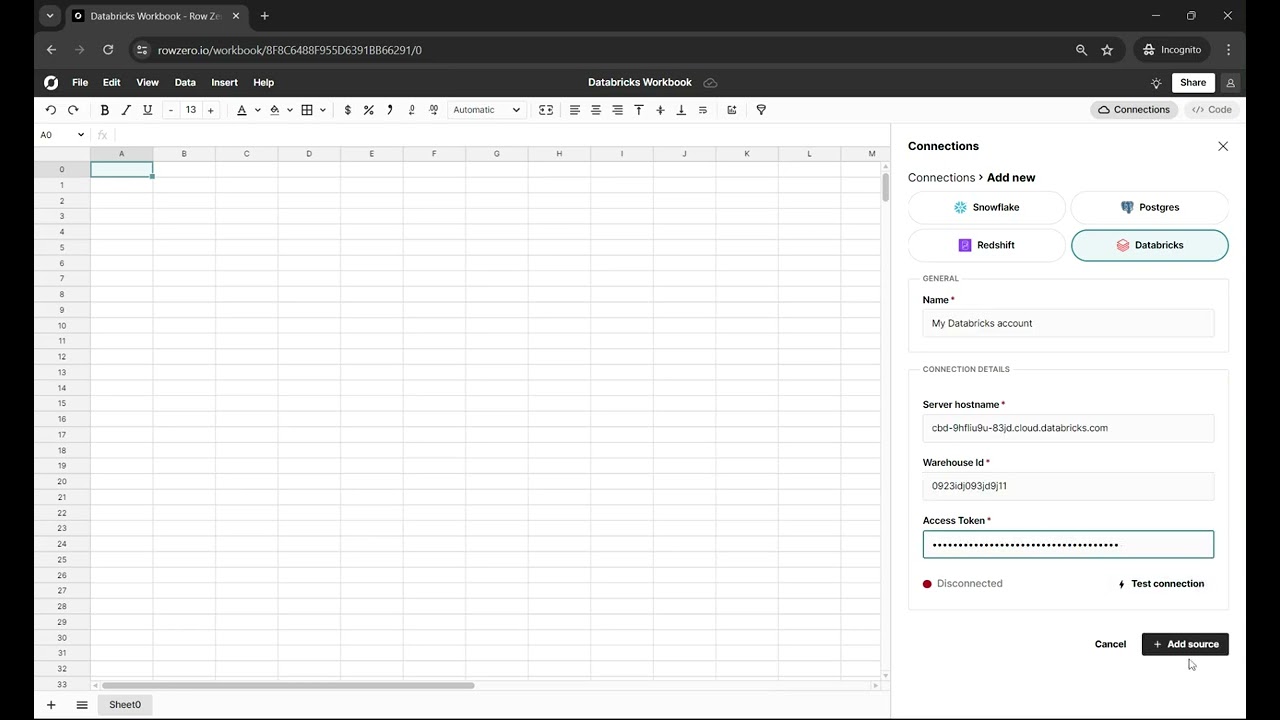
Ali Ghodsi essentially admitted the product roadmap shifted because internal finance teams fell in love with the tool. This that is how great software actually wins. When you tie that infinite grid directly to an AI agent that speaks plain English, the software stack suddenly collapses into something usable. Instead of forcing enterprise users to master an alien BI dashboard, they just chat with an agent while crunching numbers in a familiar interface.
This deal feels less like a traditional tech rollup and more like a tactical admission that human-computer interaction matters more than engineering purity. You can build the most secure cloud storage and the sharpest machine learning models in the world, but if the end user has to jump through hoops to extract insight, adoption stalls. Keep the backend airtight, sure, but give builders and analysts the UI they already know by heart.