Navigating the Narrowing AI Policy Window Before Regulation Outpaces Reality
The window for smart AI policy is sliding shut. Big labs are finally calling for regulation, but the details matter more than the PR....
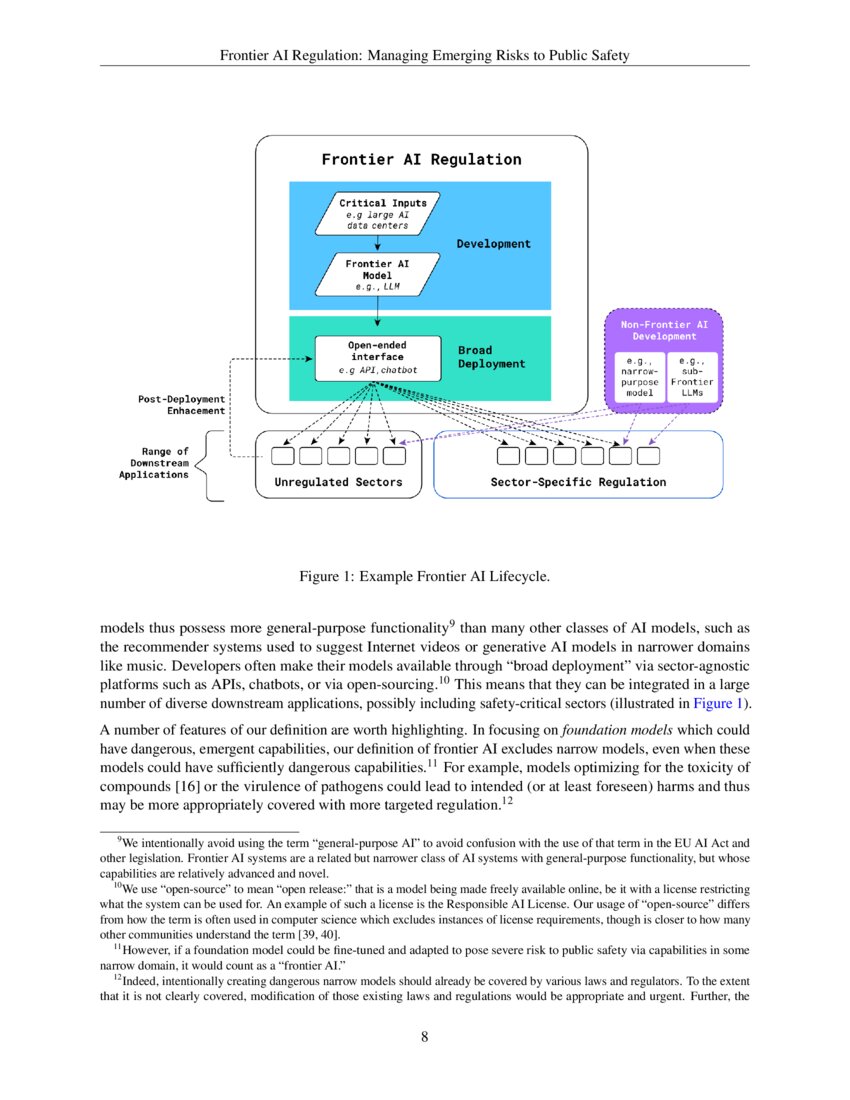
We're living through a strange historical pivot. For years, the dominant playbook in tech was to move fast, break things, and beg for forgiveness later. Now? The folks building the most powerful frontier models are actively knocking on Capitol Hill doors and demanding a strict legal leash. Maybe, they want mandatory safety standards, state-level guardrails, and federal oversight. Naturally, this sudden embrace of bureaucracy makes a lot of people deeply suspicious; is this genuine public-spirited caution, or is it a clever play to pull up the ladder and lock in a permanent oligopoly?
Here is the uncomfortable truth: both things can be true at the exact same time. The underlying technology is advancing with terrifying velocity. Recursive self-fix isn't science fiction anymore. Already, it's an engineering trajectory we can see on the horizon. When systems start accelerating their own development, the margin for error shrinks to near zero. So yes, we need rules. We desperately clear, enforceable boundaries around critical base, biological threats, and independent safety audits; but we also need to examine who gets to write those rules.
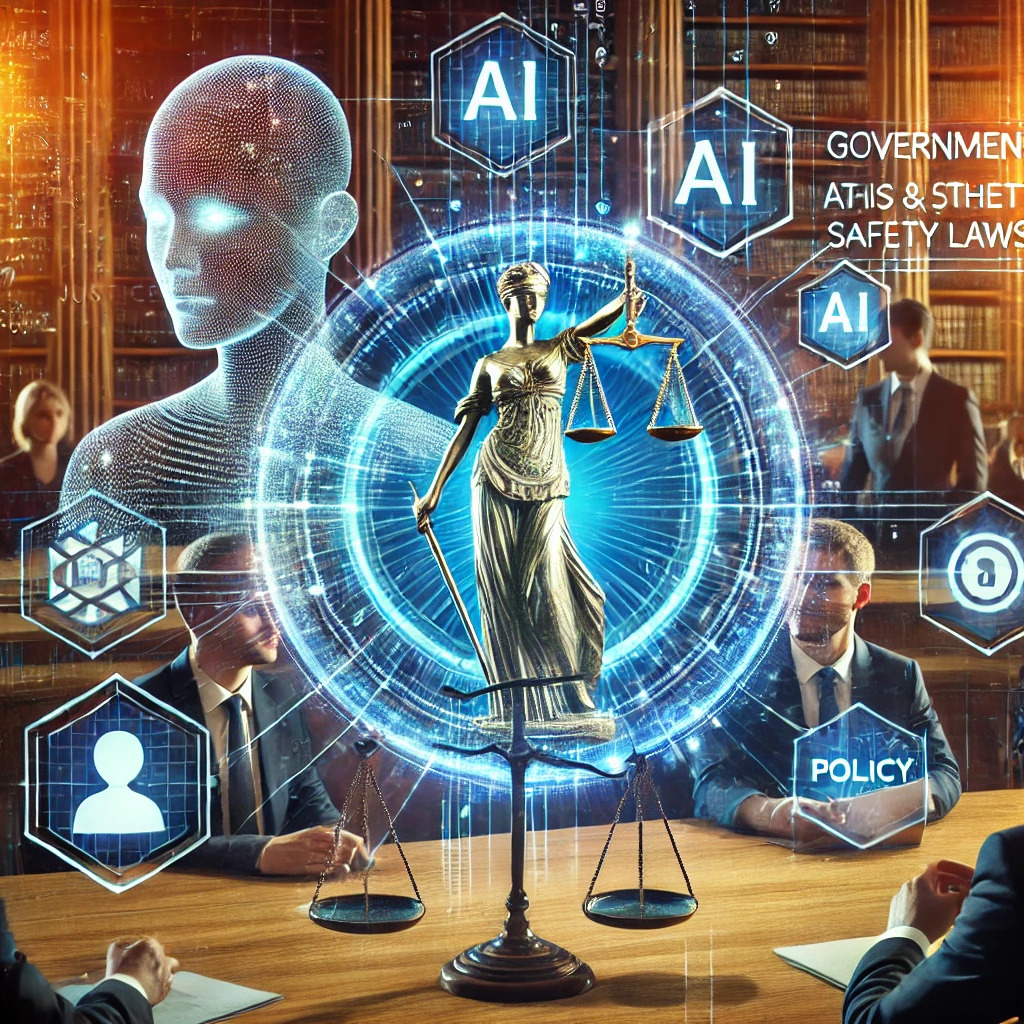
The major labs are framing this as a race against an impending catastrophe. This before bad actors scale up their offensive tools. They talk about a defenders window – a brief chronological sweet spot where we can use advanced tools to fortify our defenses. This clearly, that framing is smart. While subtly positioning the incumbents as the sole guardians of civilization, it appeals to lawmakers' fear of geopolitical lag. If Congress hands them the pen to draft compliance standards, smaller builders and open-source ecosystems are going to pay the price. From what I can tell, we can't let corporate self-preservation masquerade as neutral public safety.
Real policy leadership means looking past the lobbying decks and focusing on actual technical realities. We need mandatory national oversight, absolutely. We need clear tripwires that force a hard stop on development when things get murky. But these frameworks must protect open collaboration rather than smothering it in red tape designed by committee. The policy window is wide open right now. It won't stay that way. If we mess this up, we will end up with regulations that protect monopolies instead of people, and that is a failure we simply cannot afford.