How AI Is Fast-Tracking Genetic Leads to Reverse Cellular Aging
When AI moves from writing poems to hunting down genetic pathways that reverse cellular aging, we should probably pay attention. Here is why this matters....

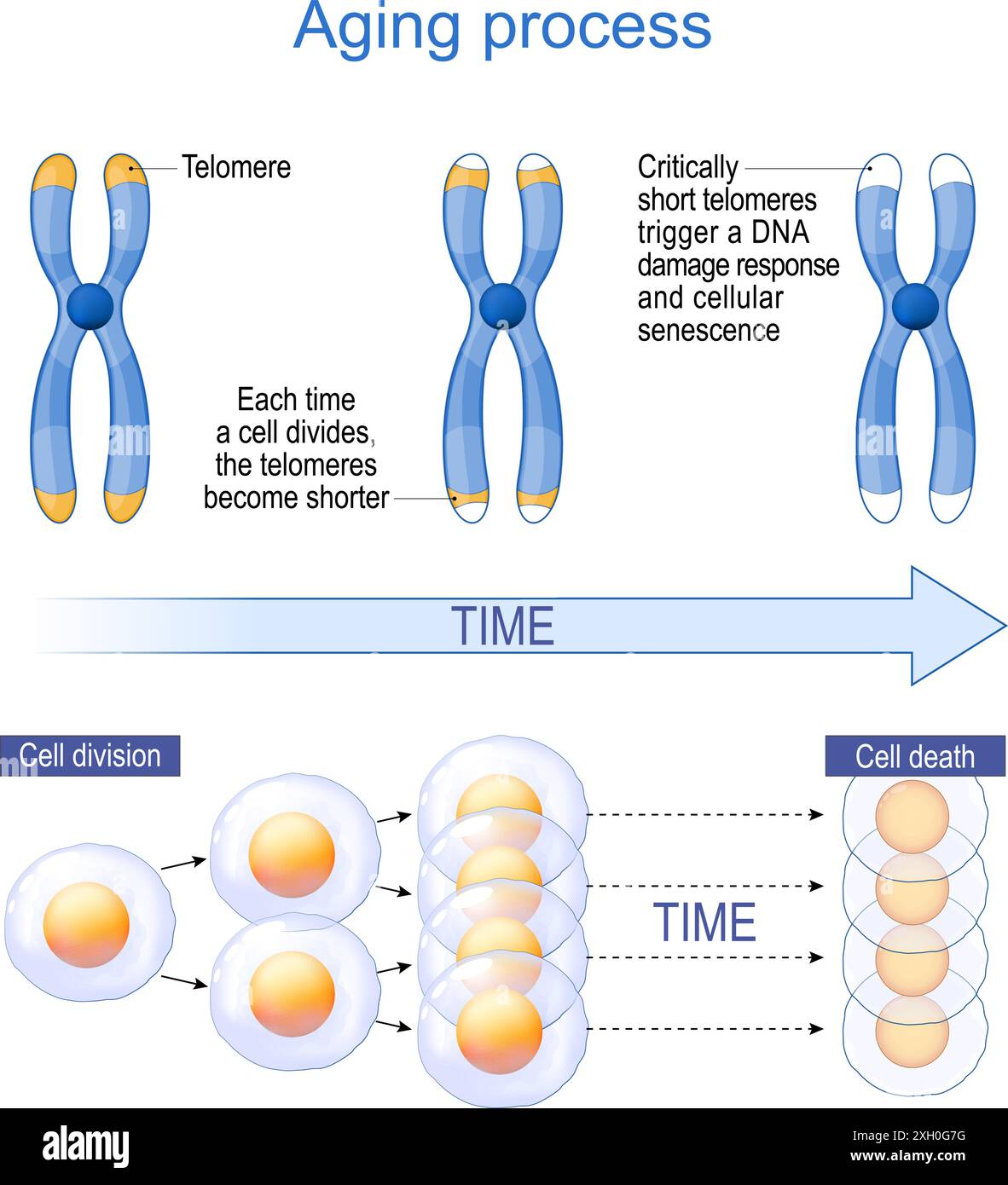
Most scientific breakthroughs do not arrive with a cinematic explosion. Instead, they drag themselves forward through mountains of mind-numbing data, endless literature reviews, and years of tedious trial and error. Aging research has historically been bogged down by this exact grind. Biologists Omar Abudayyeh and Jonathan Gootenberg recently ran into this wall while trying to push damaged, senescent cells back toward a youthful state. The bottleneck wasn't a lack of ambition. It was the sheer, crushing volume of biological data.
Enter Co-Scientist. Instead of forcing human researchers to spend months digging through tens of thousands of fragmented research papers to generate hypotheses, this tool digested the literature overnight. It spat out over twenty genuinely novel genetic factors to test in the lab. And here is the kicker: actual wet-lab testing validated several of them. The AI didn't just regurgitate textbooks. It successfully pointed the microscope at targets that actively rejuvenated cells. That is a massive win for computational biology.
Even more impressive than the initial brainstorming phase is how the system handles the aftermath of a massive screen. Normally, translating terabytes of experimental screening data into actionable next steps eats up months of human bandwidth. By cross-referencing messy lab results against decades of scattered biochemical literature simultaneously, the software compressed a half-year figures crunch into a long weekend. That compression changes everything.
I am perpetually skeptical of breathless tech hype, especially when it touches artificial intelligence. Half the tools released this week solve problems nobody actually has. But watching an algorithm cut through the noise of cellular senescence to shave years off the biomedical research cycle? That is a proper use of compute. It is real use. We're finally using machines to clear the administrative fog so human ingenuity can focus on the hard craft of discovery.