Google DeepMind and South Korea Bet Big on AI for Science
South Korea and Google DeepMind are teaming up to push frontier AI models straight into the country's hardest scientific labs. Here is what matters beneath the press release gloss....

Ten years have vanished since a machine humiliated Lee Sedol in Seoul, permanently altering our collective delusion about the exclusive domain of human intellect. Now, Google DeepMind and South Korea's Ministry of Science and ICT are formalizing a massive state-level partnership that treats artificial intelligence not as a shallow consumer toy or a VC-funded wrapper for text generation, but as the foundational bedrock for national research, hard scientific breakthroughs, and actual empirical discovery. Why do governments keep ignoring this obvious playbook?
South Korea sits in a fascinatingly aggressive geopolitical position, leading the planet in innovation density while simultaneously boasting the fastest adoption curve among major global economies. Whenever the state launches ambitious programs like the K-Moonshot Missions, they are never just dabbling for press coverage. Instead, they aggressively restructure their entire academic and industrial engine to run on high-performance compute, aiming squarely at the most stubborn, intractable problems in life sciences, climatology, and energy generation that have stubbornly resisted human effort for decades.
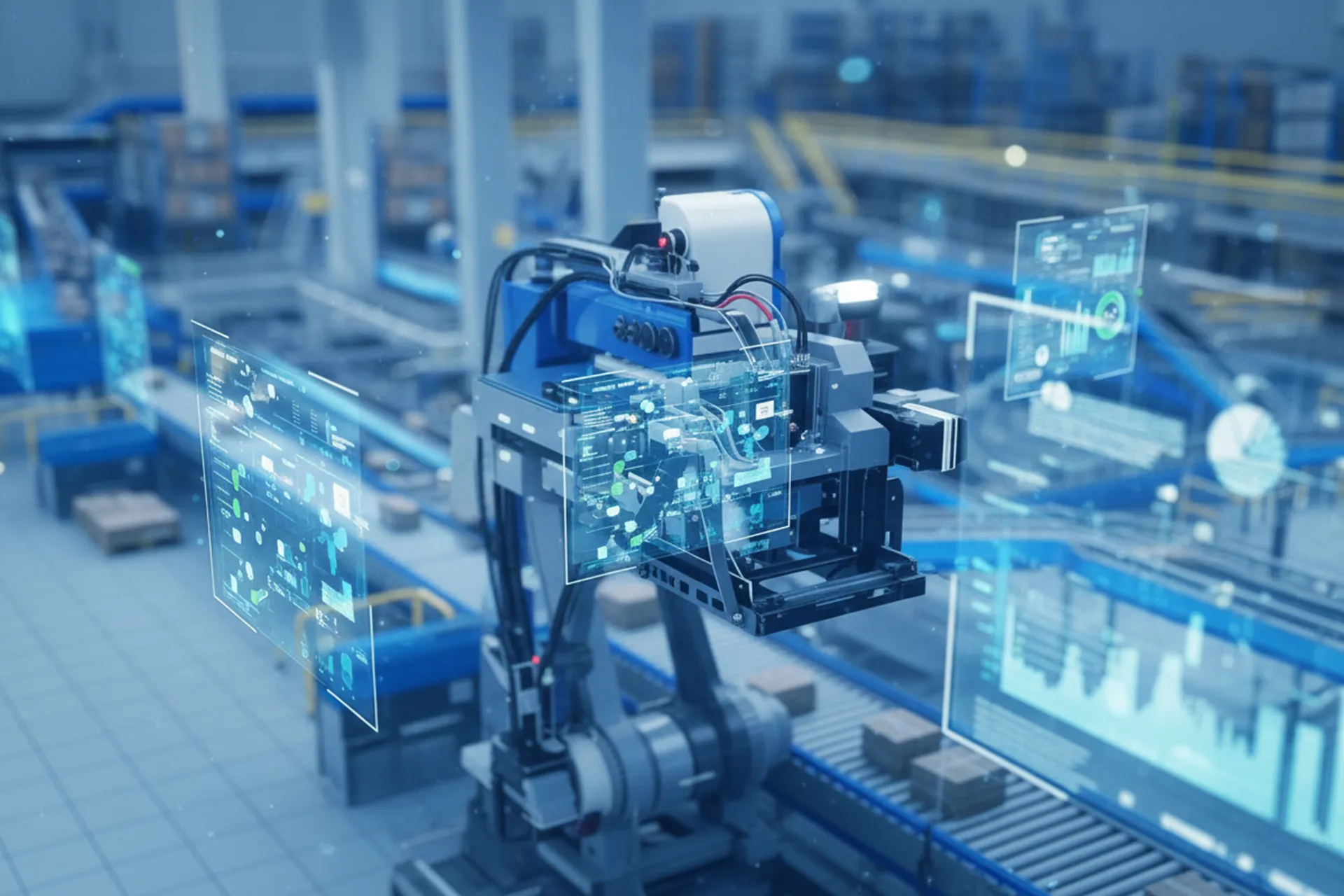
To make this ambitious initiative real, Google is quietly spinning up a dedicated AI Campus inside their bustling Seoul offices. This physical space acts as a vital bridge, dropping advanced frontier models like AlphaFold and their multi-agent co-scientist systems right onto the desks of tired researchers at heavy-hitting institutions like KAIST and Seoul National University.
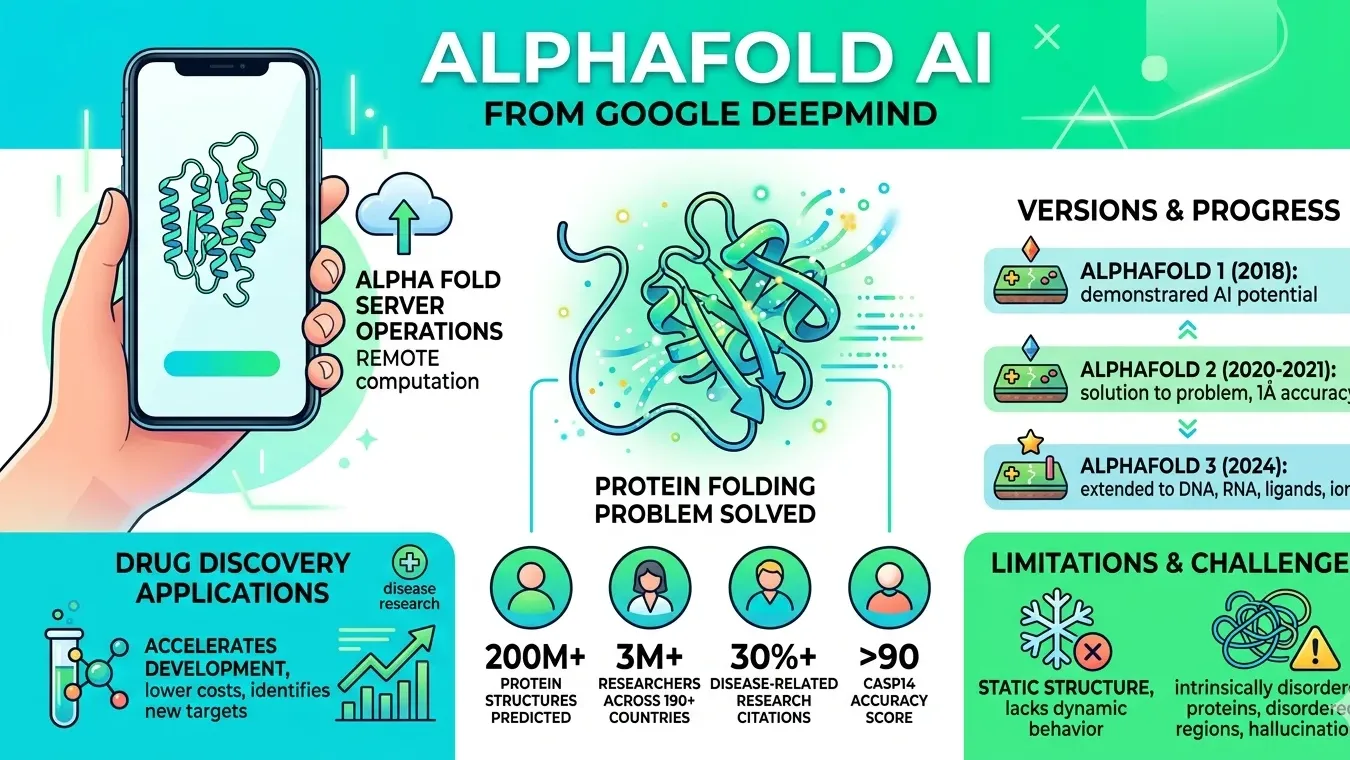
Most tech giant partnerships amount to empty PR fluff, yet this alignment caught my attention because it focuses heavily on hard science. Mapping DNA, optimizing complex algorithms, and modeling chaotic climate systems – rather than superficial chatbot wrappers. Real progress happens when builders get direct access to tools that — oddly. Actually shorten the notoriously long feedback loop of real discovery, proving that while promo hype inevitably fades away, tough data output remains.
Data sovereignty questions remain. Still, betting precious compute on biology and material science beats generating another million mediocre blog posts. If this delivers half its promise, we are watching a masterclass.