Why Jev and System One Models Change the Automation Game
We spent years waiting for language models to automate real software, while chat interfaces got all the funding and hype....

While chat interfaces got all the funding and hype, we spent years waiting for language models to automate real software. This naturally, everyone promised that conversational assistants would morph into autonomous background workers. Builders kept hitting a wall of latency, costly token generation — and frustrating unpredictability. It turns out that prompting a conversational bot to output JSON is a terrible way to build reliable base. Makes sense, right?
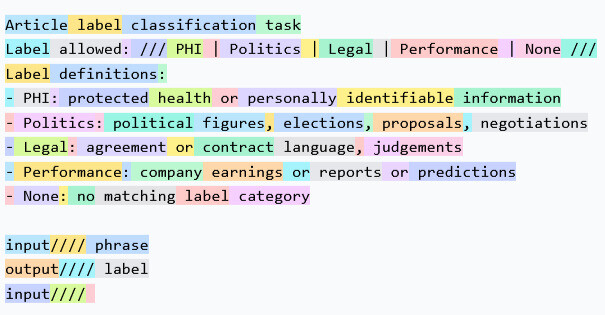
TypeSafe just introduced Jev alongside a completely other model called System One models. Instead of churning out endless strings of text one token at a time like an overly verbose poet. This architecture processes unstructured inputs and spits out typed, probabilistic decisions in parallel. They ditched human-preference tuning entirely in favor of a training method focused on calibrated decision-making. Trading creative writing for raw, deterministic utility that software can actually consume without crashing. That matters.
Because true automation requires speed, which structural safety above all else, this shift matters. Granted, when a model can't make type errors. And delivers built-in confidence scores alongside its answers. The engineering overhead of validation loops and fragile parsing regexes vanishes. They gave up free-form generation to build a frontier-reasoning function call that runs orders of size faster than old LLMs.
we do not need another chatbot trying to write poetry or simulate empathy in our terminal windows. We need fast, predictable primitives that respect the constraints of actual codebases. Coming, if this new approach delivers on its early access promises, the era of bolting expensive, slow text-generators onto backend logic might finally be to an end.