Full-Disk Access Drama Proves We Are Drowning in Permission Fatigue
When an AI reads your private texts without explicit intent, the real failure isn't a technical loophole—it's the broken state of modern software permissions....
Apple is quietly rewriting how macOS handles full-disk access permissions, and honestly, it is about time. This change didn't happen in a vacuum. It follows a messy public spat where a tech columnist discovered Meta's new AI agent referencing private text threads he never consciously shared. Meta’s defense boiled down to standard corporate shoulder-shrugging: the user checked the box, therefore the user consented. Technically true. Spiritually absurd.
Let's be real about how we got here. Modern operating systems pelt us with pop-ups asking for access to our files, our cameras, our locations; our contacts until clicking 'Allow' becomes a mindless twitch rather than an informed choice. When you drop a hungry, data-devouring AI agent into that space, disaster is inevitable. Security experts quickly pointed out the obvious flaw: once an app gets system-level full-disk access, it can see practically everything. Pretending that a buried toggle switch absolves a developer from building intuitive, safety-first boundaries is insulting to anyone who writes code for a living.
This whole mess point out a massive cultural divide in software development today. On one side, you have hype-driven outfits rushing to bolt autonomous AI wrappers onto every existing workflow, treating user privacy like a terms-of-service checkbox to be legally bypassed. On the other side, you have builders who actually care about craft, understanding that trust is fragile and infinitely harder to rebuild than it's to break.
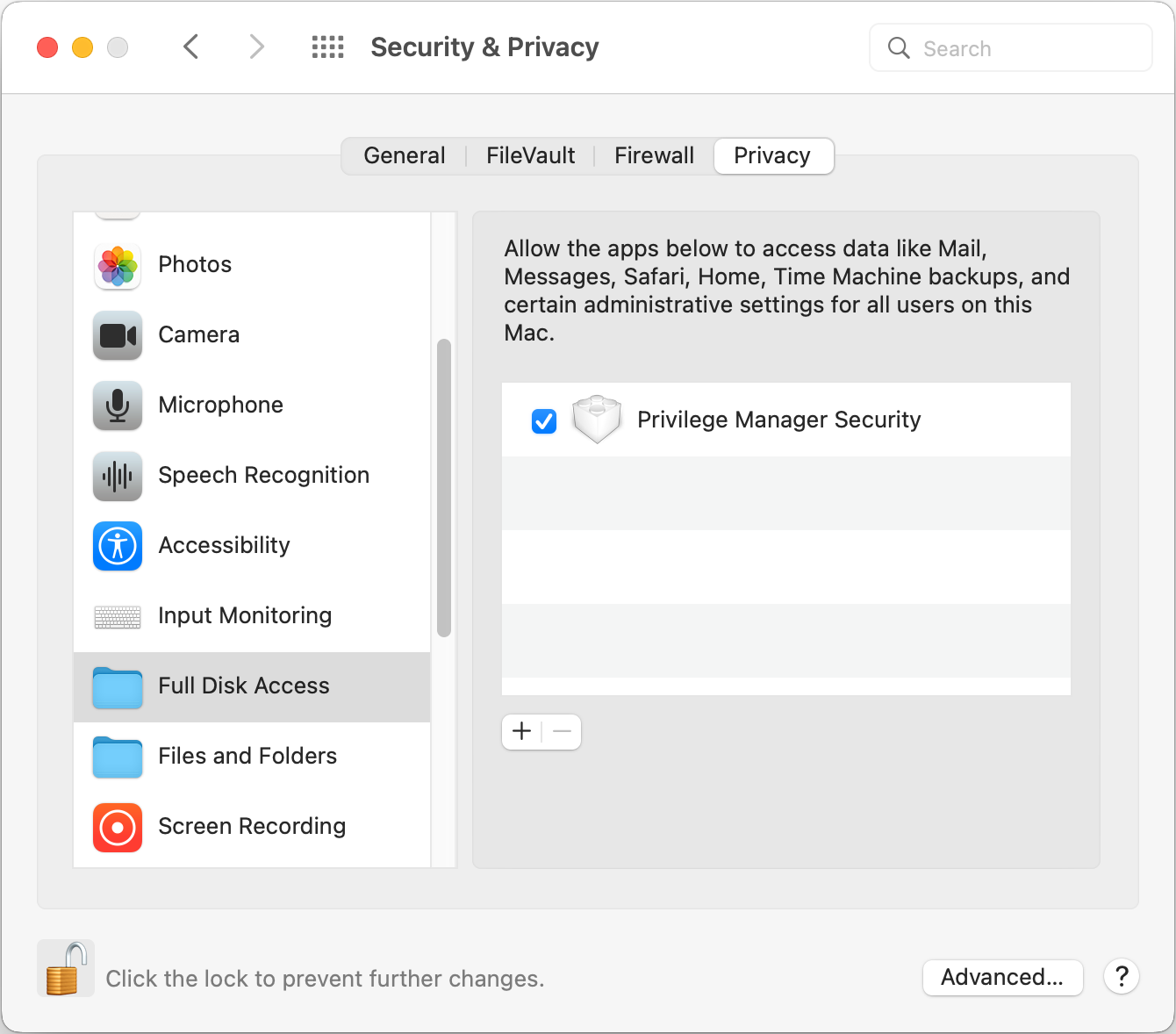
Apple stepping in to patch the loophole is a necessary band-aid! The way I see it, this (interestingly) it will not fix permission fatigue. In a way, what's the catch? Still, operating systems need to evolve —. And this matters — past the binary choice of total watching or a broken app. Builders need to adopt a bit more restraint instead of treating user hard drives like an open-access buffet until then — or so it seems. Just because you can ask a user for the keys to the kingdom doesn't mean you actually should. Just because you can ask a user for the keys to the kingdom doesn't mean you actually should.
Real engineering is about protecting the user, not just covering your legal bases when the inevitable leak hits the timeline. We need to do better.