When an Anti-AI Camera Needs Noctua Fans to Prove Reality
Meet the CAIM1, a cryptographic 4K camera fighting synthetic media that relies on PC cooling royalty to keep from melting down....
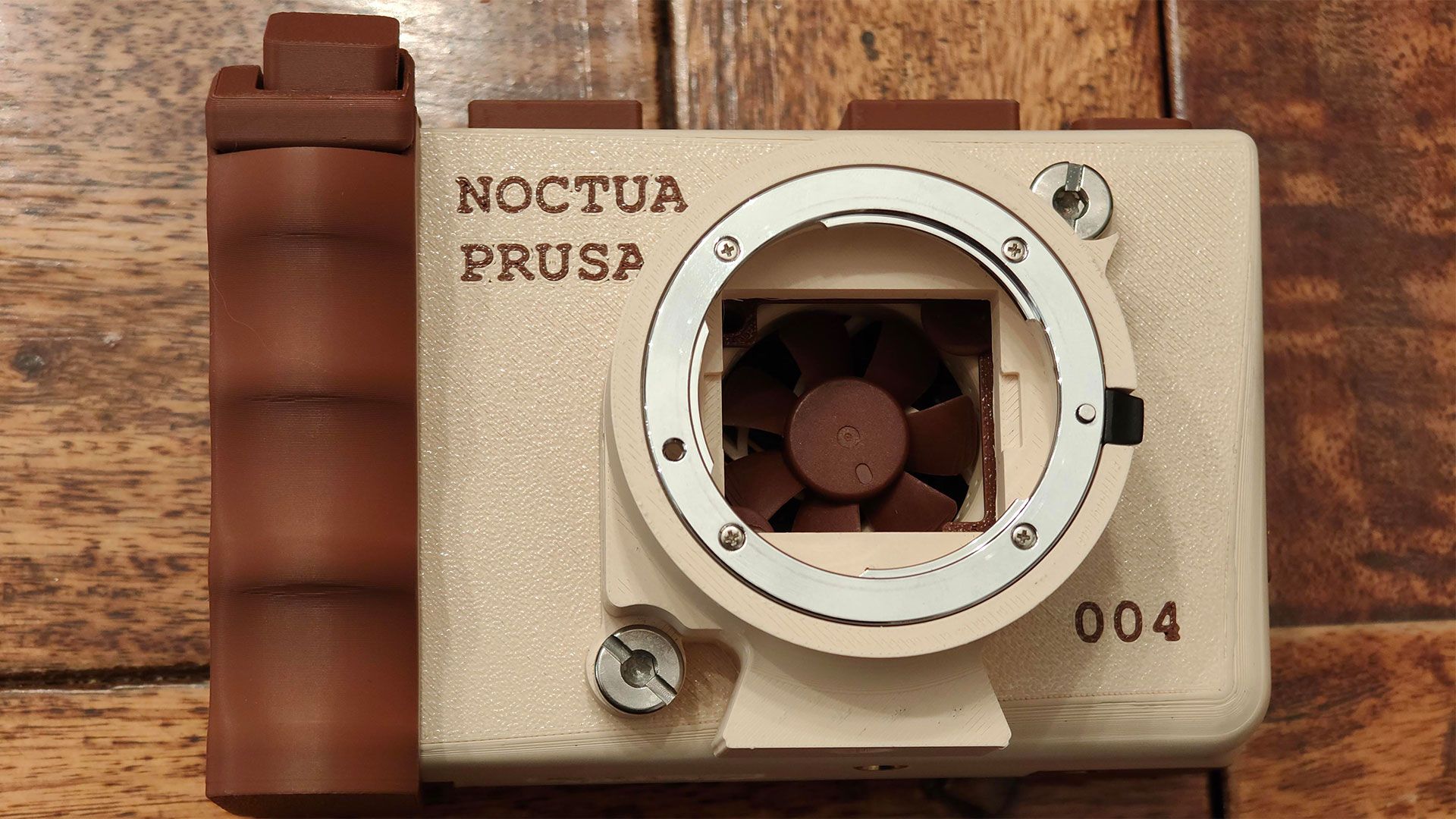
We live in a strange timeline. Synthetic media is flooding the internet, deepfakes are practically indistinguishable from truth, and now we actually have to build physical hardware just to prove a photograph is real. Enter the CAIM1 – short for Counter Artificial Intelligence Machine 1. It is a niche, uncompromising 4K camera designed to capture the physical world and immediately lock down its provenance using heavy-duty onboard cryptography. No neural nets hallucinating extra fingers. Just light, glass, and math.
But cryptography and high-bitrate video encoding in a handheld chassis create a brutal thermodynamic problem. Silicon gets hot. Really hot. To keep this device from thermal throttling into oblivion without sounding like a jet engine while recording audio, the engineers made a classic, beautifully pragmatic hardware choice: they dropped in a Noctua fan. Yes, the beige-and-brown spinner of PC DIY fame is keeping an anti-AI cryptographic fortress cool.
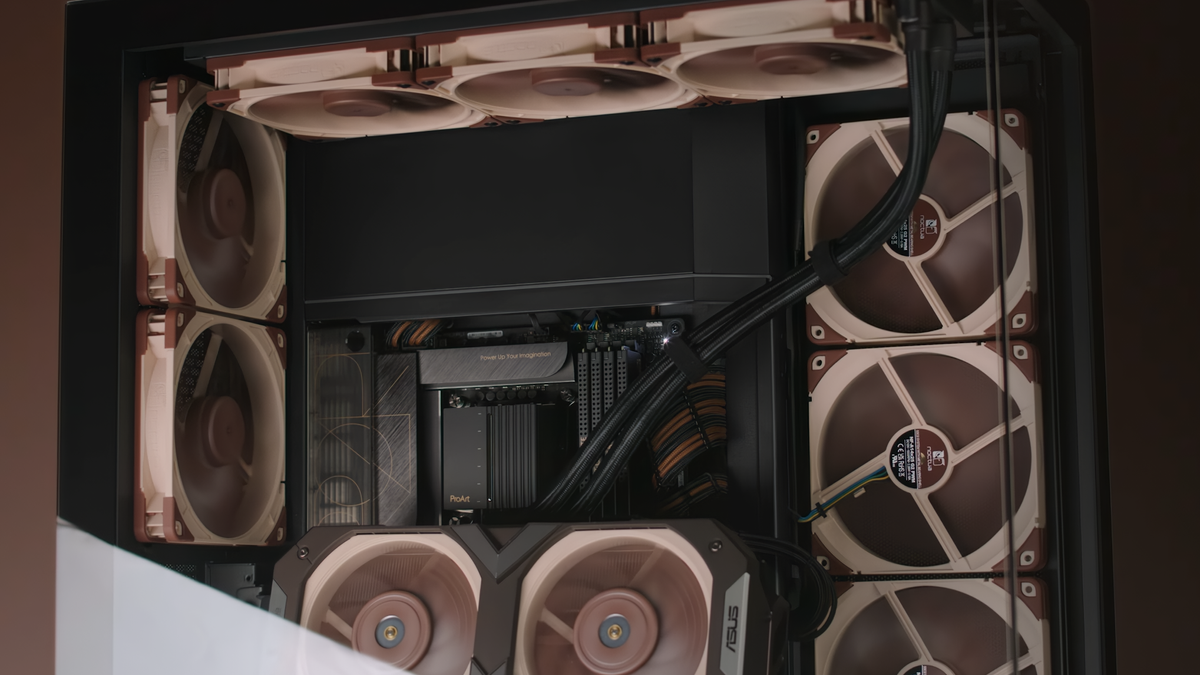
It is a brilliant intersection of disparate engineering disciplines. The team used the NF-A4x10 5V PWM fan, use its precise speed control and notoriously quiet SSO2 bearings to push air directly across the sensor's alloy heatsink without introducing destructive microvibrations into the audio track. They even 3D-printed the prototype shells out of Prusament PETG in matching Noctua colors. [IMAGE]
Beneath the aesthetic novelty lies a serious setup. Every single frame is piped straight from the sensor through a hardware attestation pipeline, generating cryptographic proof of its origin before pushing it off to immutable, decentralized storage. You can't fake the math at the edge unless you compromise the silicon. And you can't keep the silicon running fast enough to do that math without moving air. Thermal management remains the great equalizer of modern computing, whether you are cooling an overclocked desktop rig or a paranoid camera trying to save objective reality.
Commercial units aren't expected until early 2027, meaning we have a couple of years of worsening synthetic chaos to endure first. This still, I love seeing small teams solve hard problems with off-the-shelf industrial excellence. Sometimes the best way forward isn't inventing a new cooling model from scratch. But trusting a legendary fan maker to keep your truth-machine from melting in your hands.









