When Amazon Pleads With Us to Love Its AI Data Centers
AWS leadership just published a frantic 3,000-word plea begging communities to stop pushing back against massive AI data centers. Good luck with that....
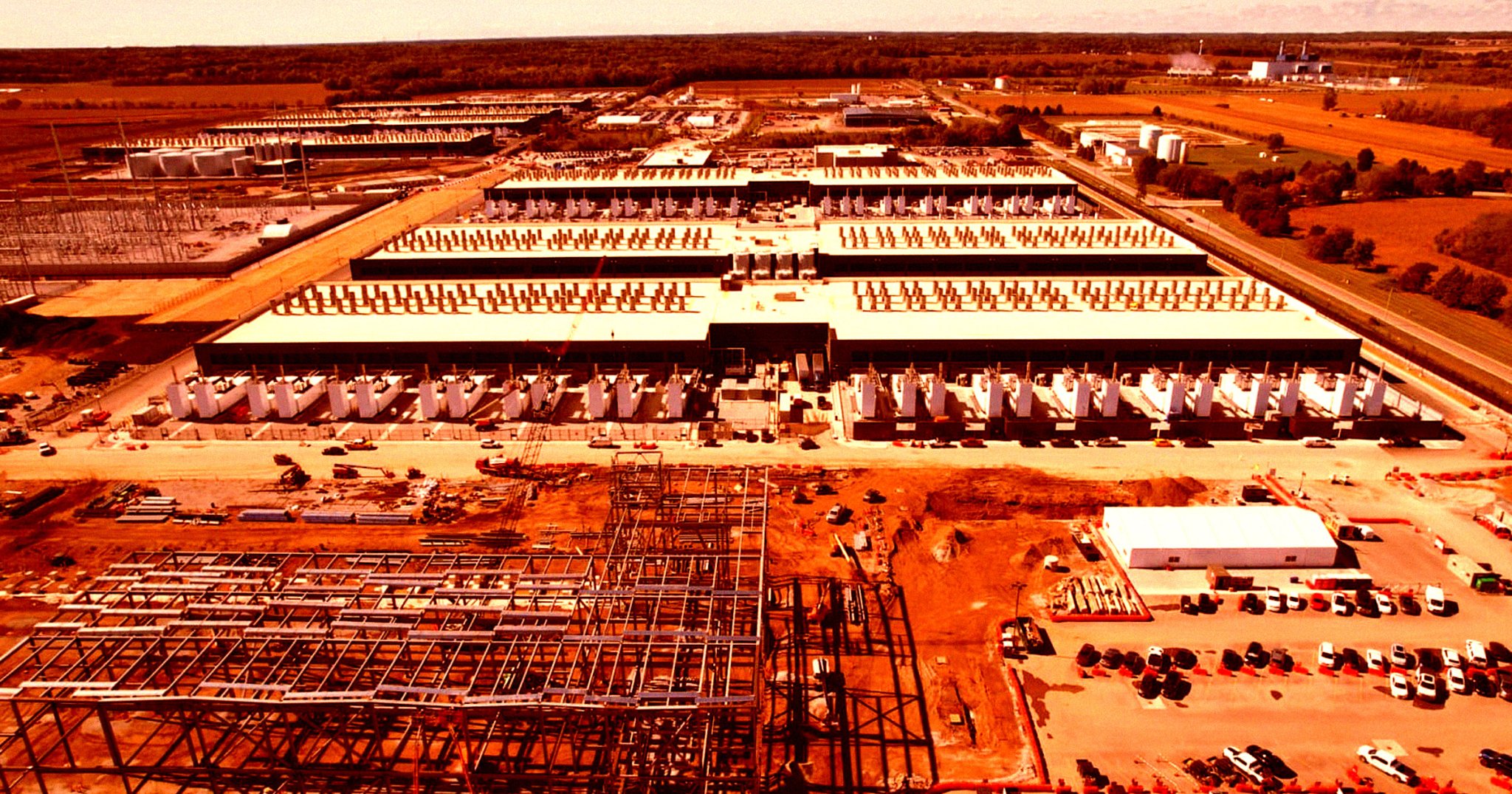
The panic is setting in. Tech executives spent years assuming towns would quietly accept a few windowless warehouses in exchange for vague promises of local economic revitalization, but reality hit hard. Now, over one hundred data center moratoriums are crawling through municipal paperwork across the country. The architects of the — to be fair – cloud are losing their collective minds over it.
Look no further than a recent three-thousand-word manifesto dropped by AWS CEO Matt Garman, who desperately tried to frame local pushback as a tragic misunderstanding of national importance. He compared the current AI base boom to the post-World War II highway construction, invoking patriotism and warning that hesitation means handing victory to foreign adversaries. It is a fascinating spin. When public opposition threatens your trillion-dollar compute roadmap, suddenly a cooling-fan humming next to a residential suburb becomes an urgent matter of geopolitical survival.

Of course, calling every legitimate concern a myth engineered by malicious foreign actors ignores the simple math of living near these complexes. People are watching their local power grids strain, seeing utility bills spike, and breathing the exhaust from backup diesel generators that slip through regulatory loopholes in places like Texas. Pretending that water usage and carbon footprints are harmless figments of social media hysteria doesn't erase the internal corporate documents showing a deliberate strategy to keep those exact metrics hidden from public view.
Good engineering solves hard problems. It doesn't rely on patronizing PR campaigns, cutesy community outreach programs, or gaslighting neighborhoods into believing their rising electricity rates are an optical illusion. If the foundation of the modern tech economy requires trampling local infrastructure while demanding blind applause, maybe the problem isn't the public's skepticism. Maybe the buildout is just fundamentally broken.









