Jensen Huang, Donald Trump, and the Theater of AI Hype
When the CEO of the world's most dominant chipmaker puts a president on speakerphone live on stage, it tells you everything you need to know about the current state of technology: it's no longer about engineering; it's about the spectacle....

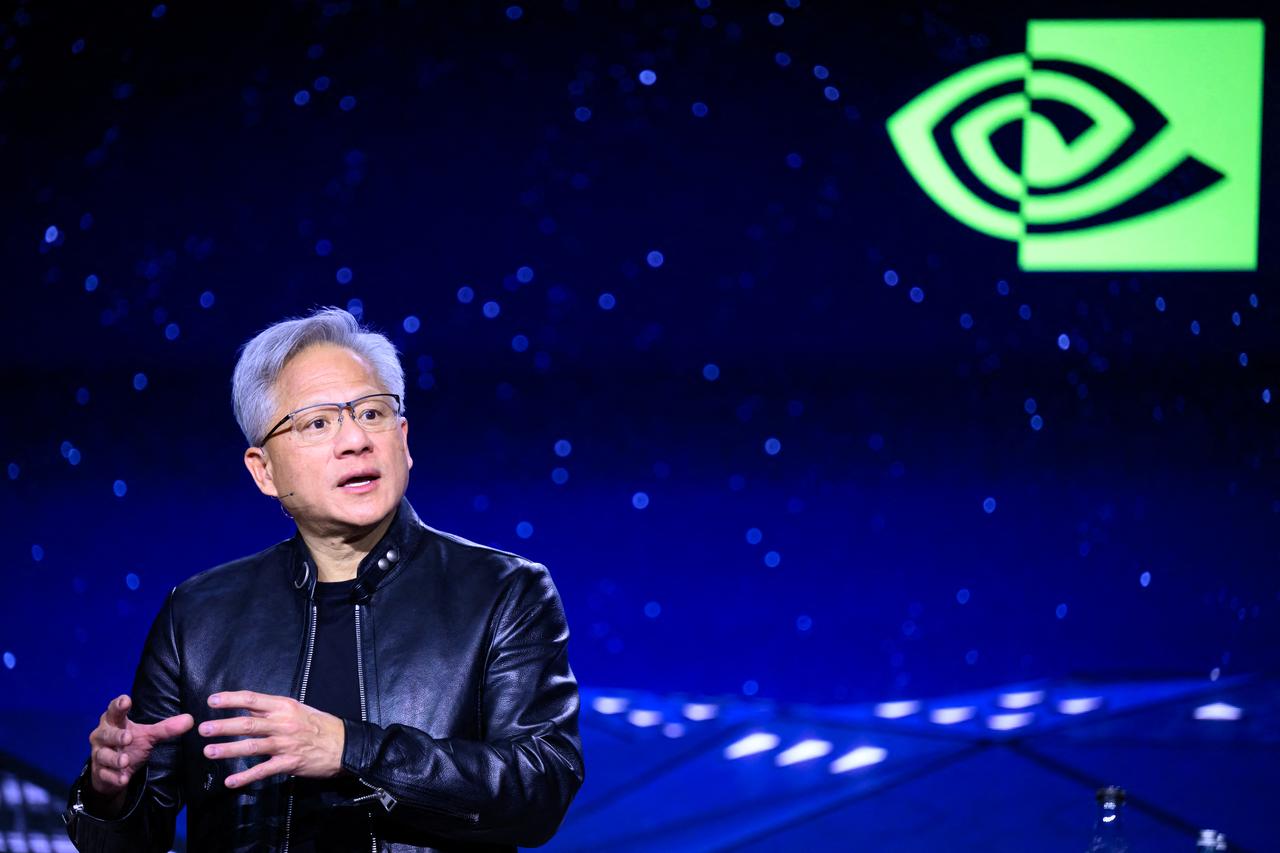
There was a time when technological breakthroughs were measured in benchmarks, shipping code, and solved compute problems. Lately, though, we seem to have slipped into an era where the boundary between Silicon Valley boardrooms and political theater has completely dissolved. The recent spectacle of Nvidia CEO Jensen Huang taking a live speakerphone call from Donald Trump on stage at the All-In Summit is a case in point. It’s a symptom of an industry increasingly obsessed with proximity to power rather than the quiet, hard work of building actual software.
Let’s be honest about what’s happening here. When you put a head of state on speakerphone in front of a tech crowd to chat about whether robots are going to destroy humanity, you aren’t having a serious conversation about artificial intelligence. You are performing. You are feeding the beast of continuous media saturation. The underlying message—that automation won't ruin everything—gets completely buried under the sheer absurdity of the delivery. It’s pure, unfiltered hype disguised as public discourse.
For those of us actually in the trenches—small teams trying to ship functional apps, developers wrestling with infrastructure, and builders trying to solve real user problems—this kind of billionaire-politician cosplay feels entirely disconnected from reality. While the executive class enjoys standing ovations and staged phone calls, indie builders are trying to figure out how to build sustainable products that don't rely on infinite venture capital or geopolitical posturing to matter.
Real progress in tech isn't forged on live-streamed podcasts or through theatrical phone stunts. It happens in silence, line by line, through meticulous craft and genuine utility. It’s time we tuned out the noise, ignored the speakerphone theatrics, and got back to what actually moves the needle: building things that work.









