Build a Local Family File Server Using an Old Laptop
Stop buying overpriced NAS hardware. Your old Ryzen laptop makes a fantastic, zero-cost private cloud with the right open-source stack....
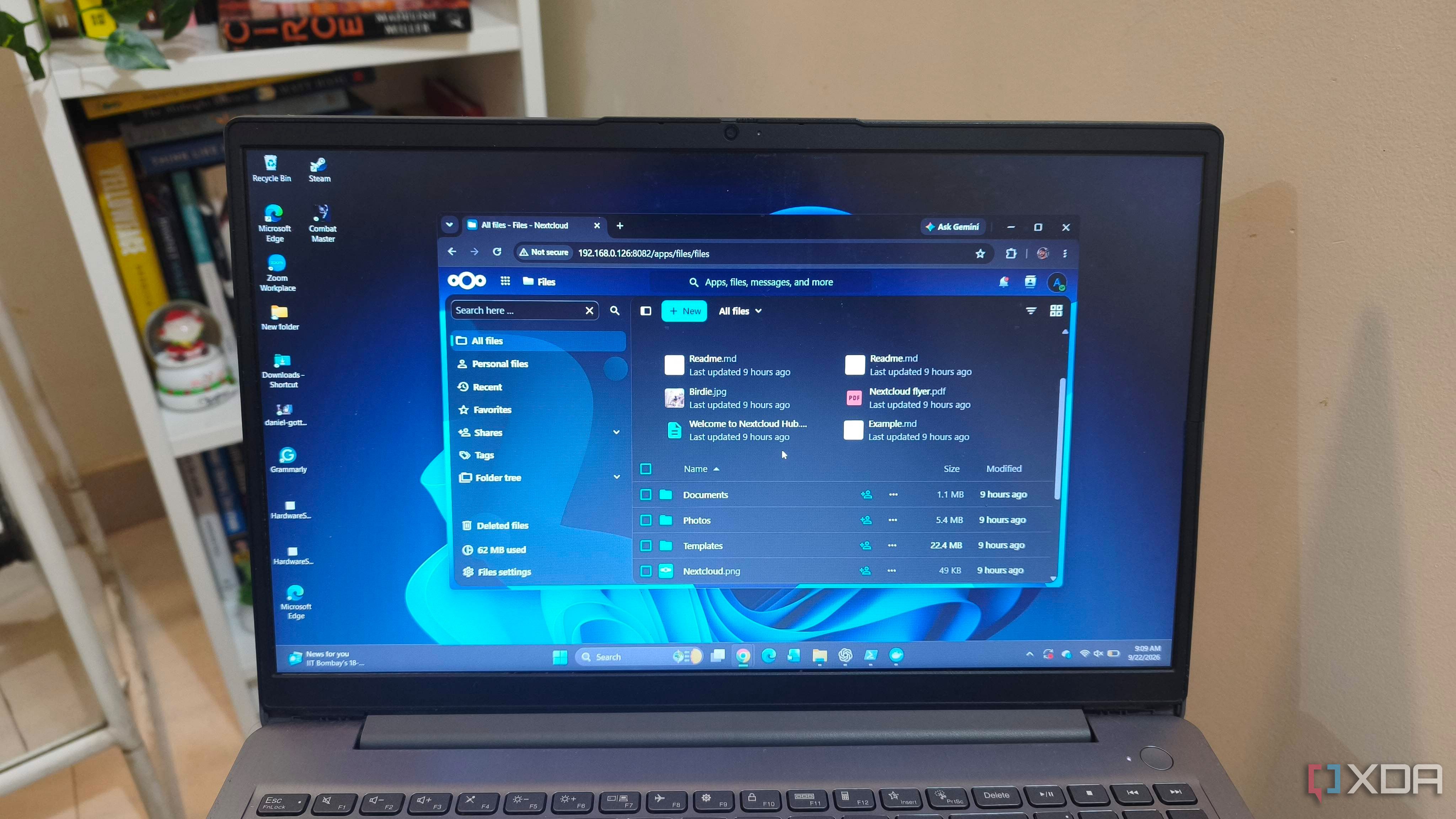
We have a massive electronic waste problem, and most of it stems from our obsession with buying specialized hardware for jobs a drawer-bound device could handle effortlessly. Take the humble home file server. Vendors desperately want you to drop hundreds of dollars on sleek multi-bay network-attached storage enclosures loaded with proprietary software and aggressive upsells. It is entirely unnecessary. Two years ago, I rescued an aging Ryzen 5 laptop with modest specs from a forgotten shelf, threw a copy of Nextcloud and Tailscale at it, and watched it quietly outperform commercial gear without breaking a sweat.
The secret lies in rejecting the notion that local storage must remain trapped behind your router's firewall or bogged down by clunky Windows file-sharing protocols. By running Nextcloud inside Docker on that old machine, you instantly replicate the best parts of Google Drive or Dropbox on hardware you actually own. Everyone in the house gets isolated accounts, selective folder syncing, version history, and mobile app access. No third-party data harvesting. No monthly subscriptions.
Of course, orchestration matters when you are squeezing performance out of eight gigabytes of RAM. You have to disable bloated optional modules like collaborative office suites or video conferencing tools if you want the system to remain snappy. Keep the scope tight. File storage is the core mission. Ensure the operating system ignores lid closures, configure Docker to boot alongside the OS, and let the machine hum silently in a corner. It just works.
Good engineering is about use what's already in front of you instead of chasing the latest retail hype cycle — in a way. It was thisthat laptop that destined for a recycling center! Hard to believe? It now anchors our household digital life with absolute reliability. As it turns out, next time you feel the itch to buy a dedicated gadget, look around your workspace first. Usually, the best tool — oddly – for the job is the one you already own.