Microsoft 365 and Teams Address Changes Require Immediate Firewall Updates
Microsoft is migrating M365 and Teams web traffic to new domains, forcing enterprise IT departments to quickly update their network firewalls and proxy configurations....

Enterprise IT administrators managing Microsoft 365 environments must prepare for a significant backend network migration. Microsoft has begun redirecting web traffic for two of its core productivity platforms to entirely new domains. Specifically, Teams users are transitioning to teams.cloud.microsoft, while broader M365 web applications are moving toward copilot.cloud.microsoft. This shift is designed to streamline infrastructure, but it carries immediate operational implications for corporate network security.
Because these modifications alter the foundational routing paths for daily enterprise communication, organizations that rely on strict perimeter defenses will experience connection drops unless configurations are adjusted. Microsoft has issued guidance urging systems administrators to review their proxies, secure web gateways, client devices, and enterprise firewalls. Any network hardware or software configured to block unrecognized external endpoints will need explicit rule updates to permit traffic flowing to the new cloud domains.
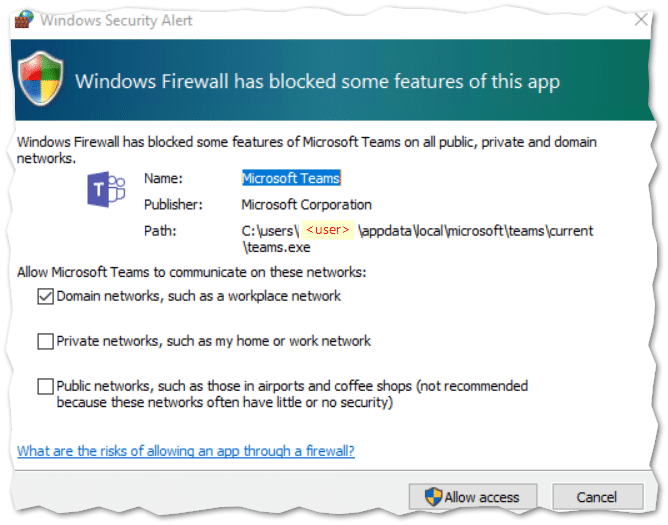
This domain migration also intersects with internal security policies regarding artificial intelligence tools. Some organizations previously blocked the new Copilot routing destination as a blanket measure to prevent employees from accessing unauthorized personal accounts or experimental features. To maintain these restrictions without breaking core product functionality, Microsoft advises companies to transition toward its native TenantRestrictions protocol rather than relying on domain-level blocking at the firewall.
The transition rollout is scheduled to conclude by early October, leaving a relatively tight compliance window for large organizations with complex network topologies. While limited exceptions for the Teams redirect can be negotiated through December 2026, waiting is rarely an effective strategy for foundational infrastructure changes. Navigating these kinds of infrastructural shifts and architectural updates is a core focus for the engineering teams at Xetarev Studio, where we help organizations modernize their backend systems without disrupting everyday operations.









