AI Cybersecurity and the Endless Game of Digital Cat and Mouse
Exploring the shifting security landscape where AI accelerates both threat vectors and defensive capabilities, placing renewed emphasis on resilient code architecture....
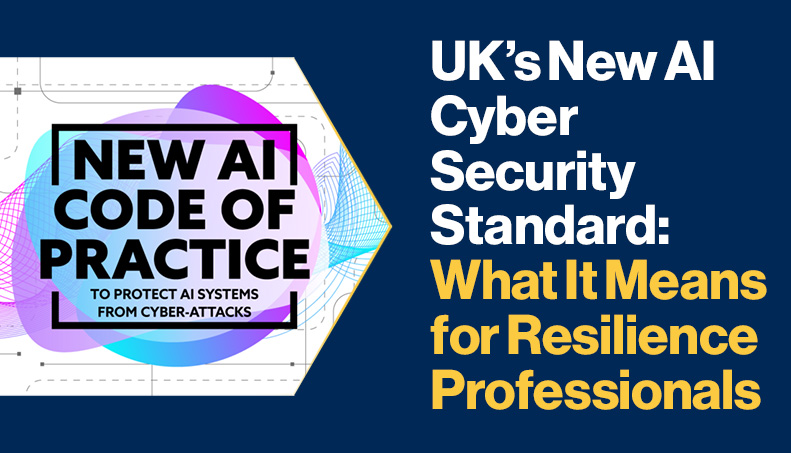
The conversation around modern software defense inevitably circles back to a familiar dynamic. As machine learning models and automated tooling enter the mainstream, the core debate in AI cybersecurity centers on how human operators adapt to an accelerating threat landscape. Attackers now leverage automation to scale vulnerability discovery at speeds traditional analysis struggles to match, transforming routine security maintenance into a relentless cat-and-mouse race.
Conversations with industry leaders like Zscaler CSO Sam Curry highlight a critical realization: technology alone cannot outrun architectural debt. While automated detection systems grow more sophisticated, human intelligence remains the anchor for strategic threat assessment. Automated systems can map out surface areas and execute thousands of probes per minute, but context, intuition, and defensive prioritization still require seasoned engineering minds.
Another structural shift involves moving defensive perimeters closer to the application layer. Historically, infrastructure security relied heavily on perimeter defenses and network-level barriers. Today, shrinking the distance between code execution and security guardrails helps neutralize reconnaissance probes before they translate into exploits. By containing vulnerabilities at the source, teams limit the blast radius of automated attacks.
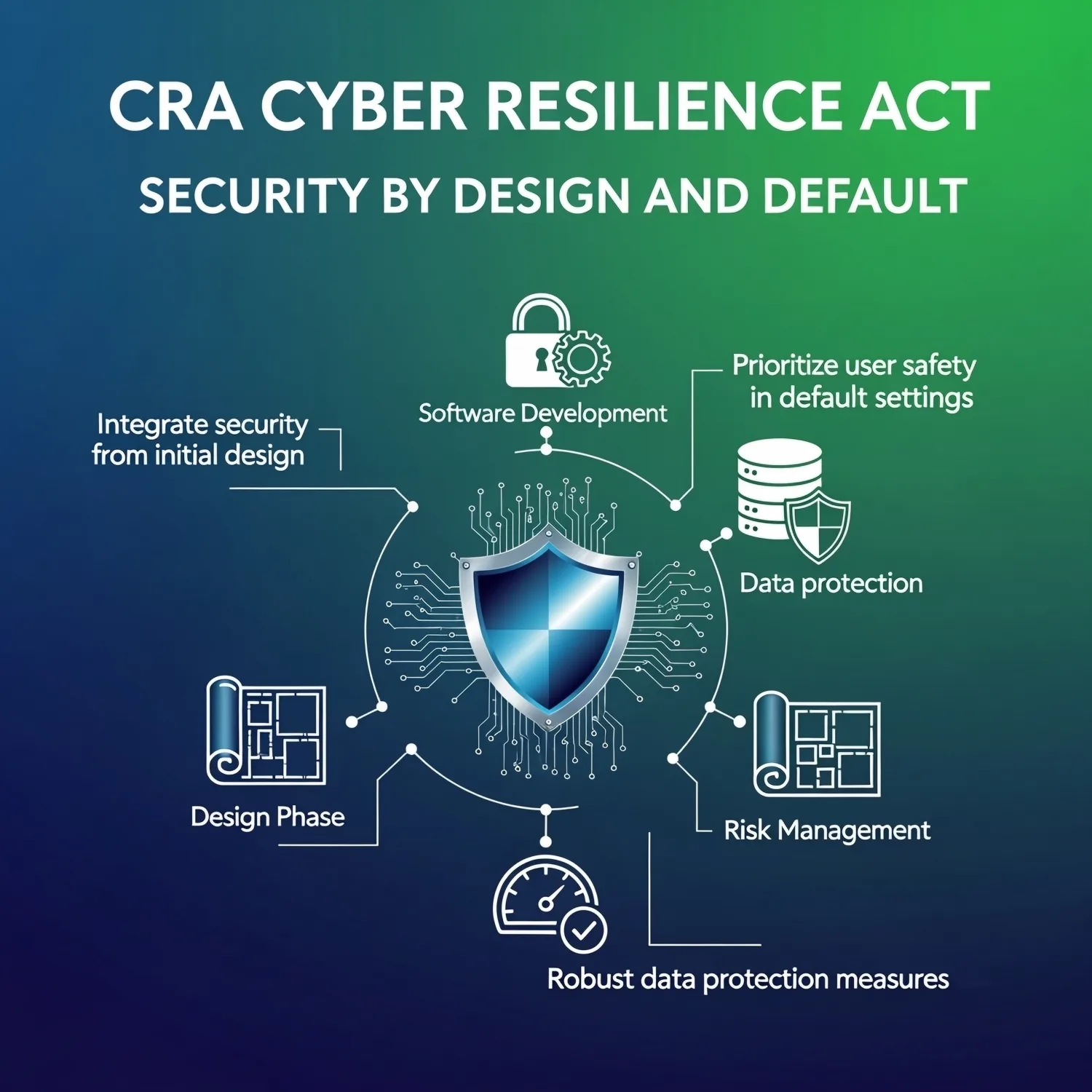
Ultimately, the most effective response to AI-driven discovery is building more resilient code infrastructure from the ground up. If automated tools can rapidly scan and identify flaws, the only sustainable countermeasure is writing cleaner, more robust systems that reduce those flaws in the first place. Engineering teams that prioritize solid foundations over quick patches will always fare better in this evolving landscape.
Building robust code architecture and securing modern applications is a foundational focus for our team at Xetarev Studio as we design and develop software products for clients.









