The US Navy wants your tech, but only if you skip the early stages
The Navy's CTO just dropped a fresh wish list for builders, but defense tech procurement still demands navigating a massive corporate maze....
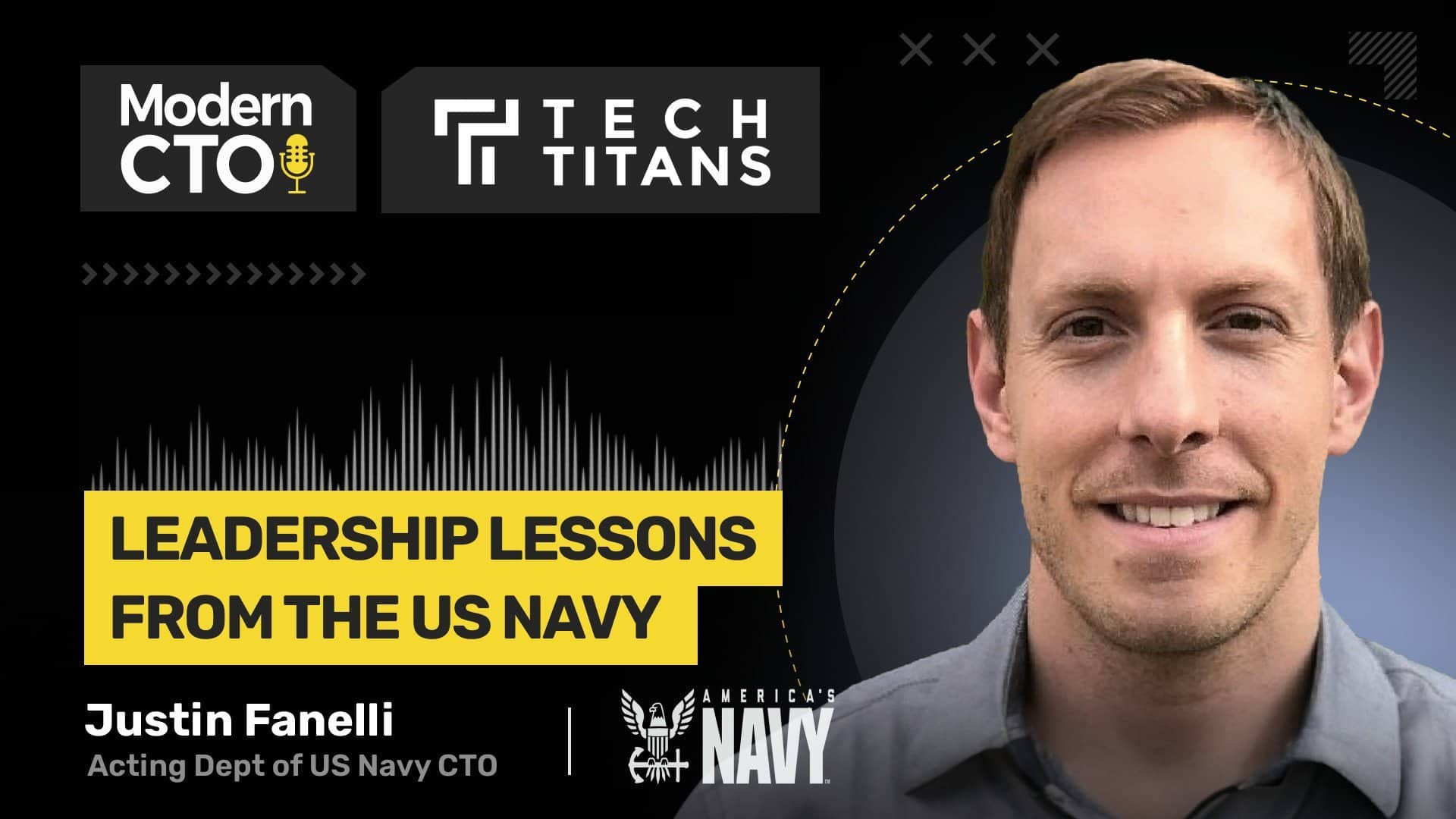
Picture this. You are running a lean engineering team, cranking out solid software, and suddenly the Department of the Navy's chief technology officer calls you while sprinting to an undisclosed tarmac because he has roughly sixty minutes to pack a bag for a mystery deployment. That is the surreal reality of Justin Fanelli, a guy trying desperately to drag military procurement out of the Cold War and into something resembling modern reality. He is attempting to dismantle the legendary spaghetti chart of defense bureaucracy, replacing a tangled mess of arbitrary gatekeepers with a functional funnel that actually makes sense for builders who just want to ship.
The core strategy here is simple demand signaling. By publishing a transparent multi-year tech wish list vetted by venture capitalists, the Navy is trying to make its massive budget legible to the commercial sector. We are talking about an entity that moves roughly $150 billion a year in purchasing power. When a buyer of that scale tells the market exactly what capabilities it needs over the next several years, founders take notice. It removes the guesswork. It turns wild speculation into a concrete roadmap for anyone crazy enough to build software for the military.
There is a massive catch, though, and it completely alters the math for small teams. The Navy is largely backing away from funding foundational R&D. They used to cover the seed through Series B grind, but they are tired of playing venture capitalist in the early trenches. Now? They want to buy from mature Series D through F companies. They aim for commercial capital to take the initial risk, burn the midnight oil, and hammer out the architectural bugs. They prefer to let private markets shoulder the heavy lifting of early-stage experimentation, stepping in only after the product is already proven, polished, and battle-tested.

This shift reveals the basic paradox of building for defense today! Truth be told, it the top brass desperately wants the agility, speed. Also, Raw innovation of small — oddly — startup culture, yet the procurement machinery remains inextricably linked to massive scale. Sounds familiar? It true co-investment, where the military actually puts skin in the game alongside private equity, is still the exception rather than the rule — or so it seems. For the most part, if you are a tiny indie shop or a bootstrap-minded team of craftspeople — if that makes sense. The barrier to entry isn't just about writing good code anymore. It's about surviving long enough on venture oxygen to cross the chasm into firm maturity.
Fanelli is likely moving the needle in the right direction, but let's not mistake a lean funnel for an open door. The defense sector — oddly — loves the output of small, focused builders! Look, the long story short, still, it demands — oddly — the financial grit of an enterprise behemoth before it will swipe the card — if that makes sense. But is it really that simple? Still, if you are steering a small team, look at their wish lists for inspiration by all means; keep your eyes squarely on building a sustainable commercial product first. Before the brass even — to be exact, knows you exist. Relying on military contracts too early is a great way to run out of runway — in a way.