Why EmbeddingGemma 2 Changes What We Can Build Locally
Google just dropped EmbeddingGemma 2, a remarkably tiny model that handles multimodal vectors on-device without breaking a sweat. Local RAG just got real....
Most of the artificial intelligence news cycle revolves around massive data centers burning through megawatts of power just to tell you a joke or summarize a PDF. It is exhausting. We get buried under an avalanche of enterprise hype every single week, mostly designed to lock developers into proprietary cloud ecosystems where you pay rent on every single token. But every once in a while, a release drops that quietly shifts the ground beneath our feet, reminding us why we fell in love with software engineering in the first place. Google recently released EmbeddingGemma 2, and honestly, it is worth paying attention to.
At just 740 million parameters, this open model converts text, images, video. Audio, and code into vectors while drinking a minuscule amount of computing juice. It sits comfortably on-device, demanding a mere 191 megabytes of RAM to function. Let that sink in. Google claims this tiny engine — and this matters. Beats competing models twice its bulk, and if those benchmarks hold up in the wild, the impacts are massive. You no longer need a dedicated server cluster with enterprise GPUs just to give semantic search powers to a local use.
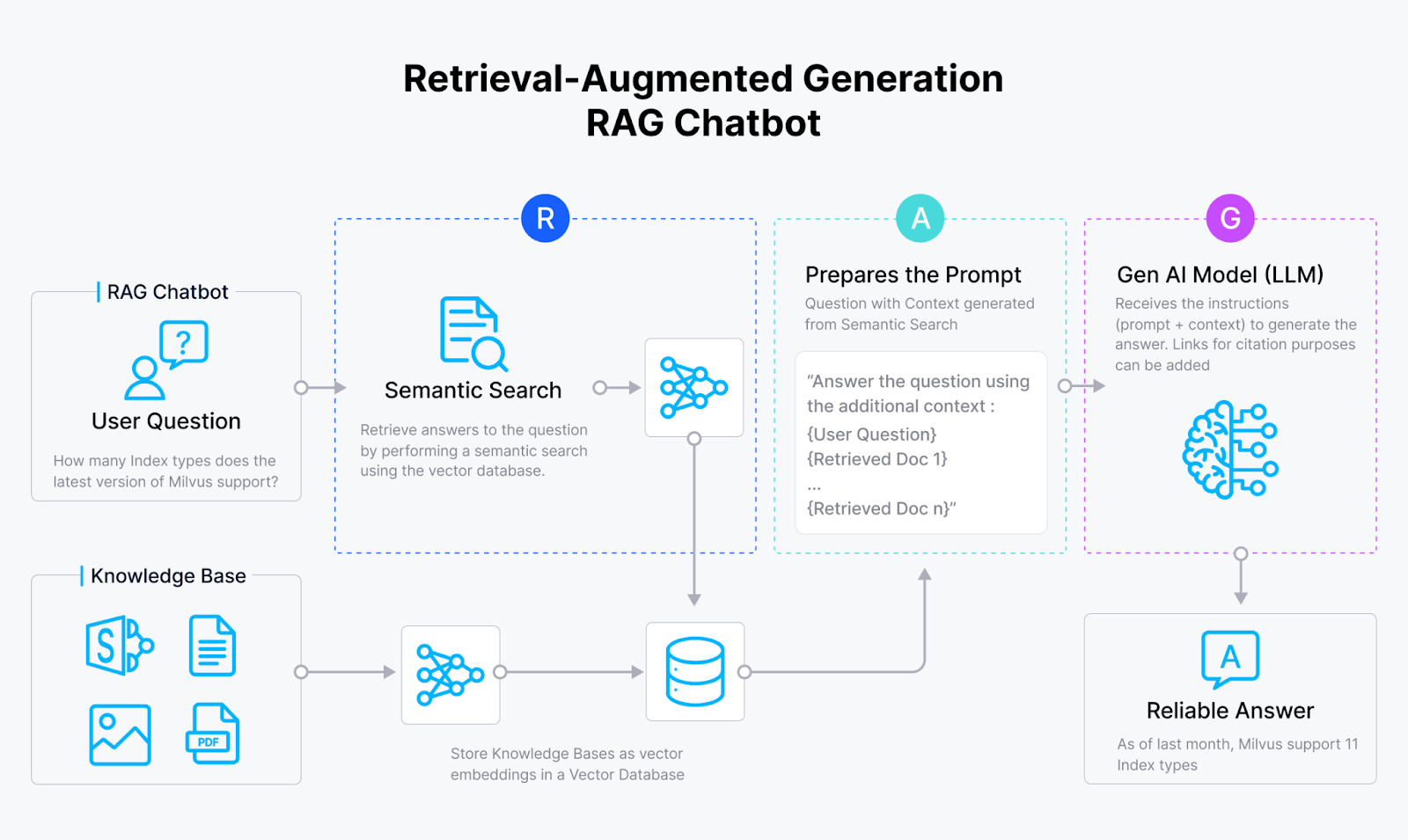
When you pair a footprint this small with a lightweight text generator like Gemma, the door swings wide open for offline RAG applications that actually work in the real world. Think about what this means for builders who care about privacy, speed, and craft. You can spin up a fully localized retrieval-augmented generation pipeline that runs entirely on a laptop or a modern mobile device, keeping sensitive user data entirely out of third-party cloud pipelines and eliminating latency entirely.
We don't need another bloated SaaS wrapper charging monthly fees for basic vector embeddings — surprisingly enough. We need reliable primitives that run locally, respect user privacy, and let small teams build remarkably powerful tools without asking permission from a massive API provider. OK so embeddingGemma 2 feels like a real step in that direction, proving that (and this is key) sometimes the best engineering constraint you can possibly adopt is building something minor enough to fit in your pocket. Proving that sometimes the best engineering constraint you can possibly (surprisingly) adopt is building something minor enough to fit in your pocket.









