Vibe-Coding a Laptop GPU Power Mod Is Peak Engineering Chaos
A developer just dropped a vibe-coded utility that juices mobile RTX 50-series chips up to 225W, proving that raw software grit still beats corporate guardrails....
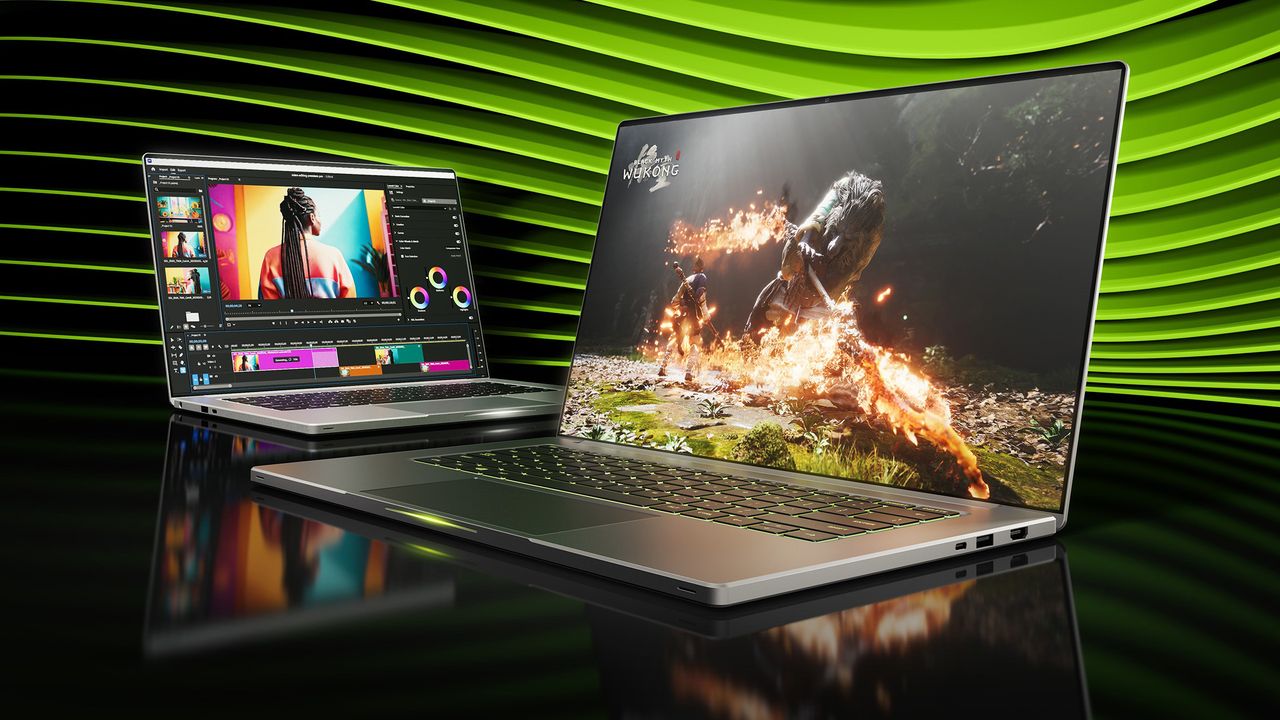
Laptop GPUs have always lived in a gilded cage. The manufacturers slap an impressive name on a mobile chip, pin it to a rigid thermal envelope, and call it a day. Still, if you buy a high-end portable rig sporting an RTX 5090 mobile GPU, you are essentially paying desktop-tier prices for a silicon athlete wearing a weighted vest. NVIDIA's strict wattage ceilings and dynamic boost limits usually cap these beasts right around 150 watts, choking speed long before the silicon breaks a sweat. It's an exercise in compromise dictated by thin chassis designs and conservative power bricks.
Then a developer decided to bypass the guardrails completely with a tool called NvpwrControl. What makes this GitHub release fascinating isn't just that it unlocks an extra 40 to 75 watts of raw juice for flagship mobile cards, pushing them to a staggering 225W. It is the pedigree of the code itself. The entire utility was apparently vibe-coded. It is experimental, raw, and completely unpolished. Yet, against all odds, it actually works on certain hardware setups.
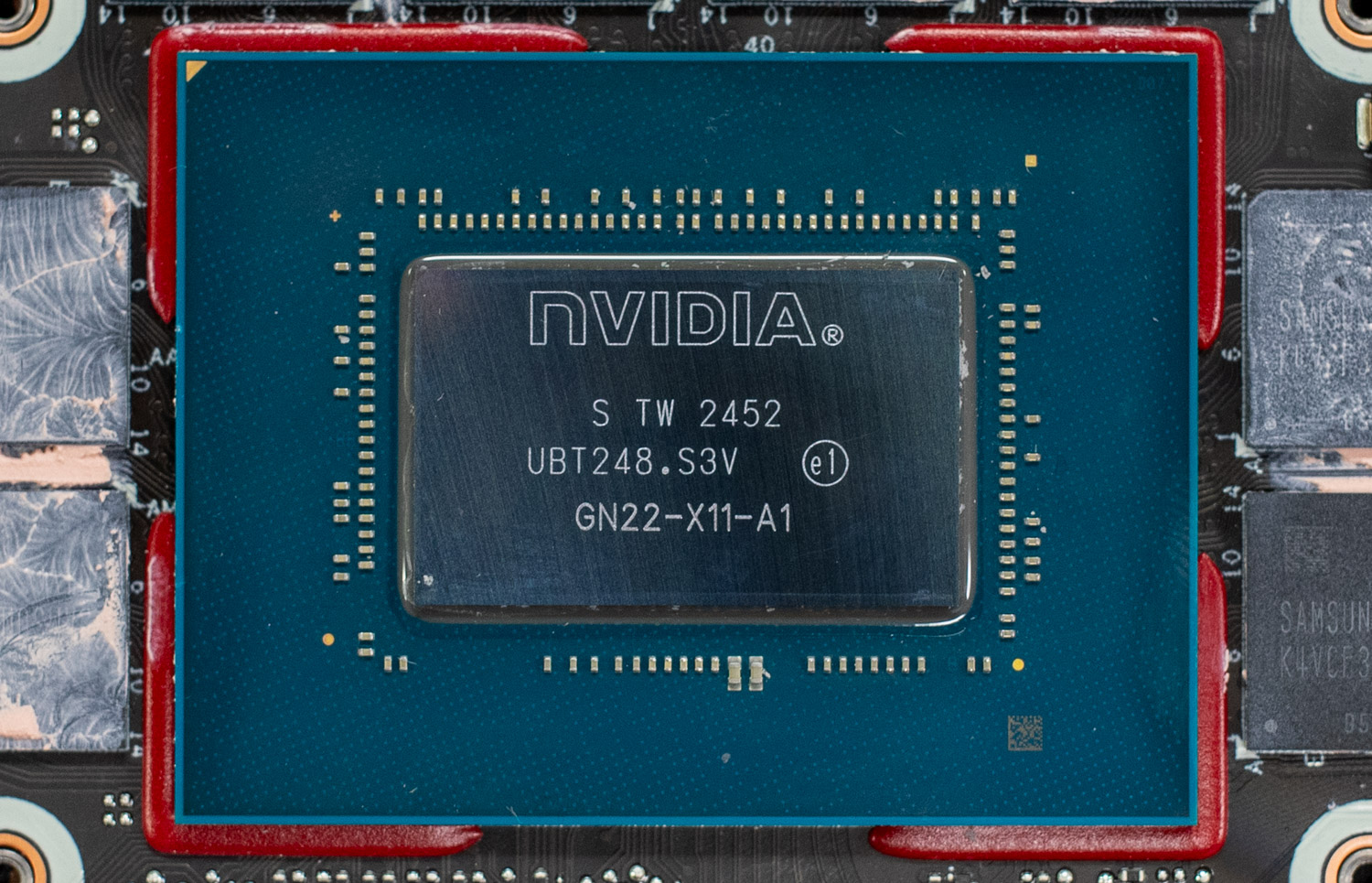
We need to talk about what this represents in the current tech field. For years, we have watched software development get smothered by layers of enterprise boilerplate, endless abstraction, and risk-averse bureaucracy. Then someone sits down, leans into the chaotic energy of generative era coding, and conjures a low-level power-delivery utility that bypasses hardware safety limits. It is reckless. It will probably fry a few enthusiast motherboards, cook some VRMs, and shorten the lifespan of expensive silicon. But I cannot help admiring the sheer audacity of it.
Hardware tinkering used to require a deep understanding of hex editors and custom BIOS flashing. Now, you can vibe-code a hardware exploit over a weekend. Whether that is a terrifying glimpse into our automated future or a triumphant return of the hacker spirit depends entirely on your tolerance for smoke coming out of your laptop vents. Personally? I love to see it. Just keep a fire extinguisher nearby before you start pushing mobile silicon past the manufacturer's wildest dreams.









