Why AI's Trillion-Dollar Gamble Depends on Reality Catching Up to the Hype
Silicon Valley is betting a trillion dollars on artificial intelligence, but economists are still waiting for the math to actually make sense....

Whenever a technology sector starts throwing around the word 'trillion' with casual abandon, I reach for my wallet. Right now, Big Tech is locked into an astronomical capital expenditure cycle, pouring rare sums of money into data centers, GPUs, and power grids under the banner of artificial intelligence. It is the largest high-stakes gamble in modern business history. Yet, when economists and financial analysts try to map out how this money actually returns to the ledger, they run into a wall of fog. Everyone agrees the infrastructure spending is real, but the economic payoff remains an expensive hypothesis.
Take Jessica Wachter, a finance professor at Wharton, who recently tried to model AI's macroeconomic footprint over the next few years. She ran straight into a classic developer's dilemma: an endless backlog of unknowns. On paper, the productivity gains are supposed to be staggering. Long story short companies are still figuring out how to move beyond clever demos and deploy systems that reliably solve expensive problems without hallucinating. When you strip away the keynote gloss, the current enterprise AI adoption curve looks a lot less like a rocket launch and much more like a messy, incremental software migration.
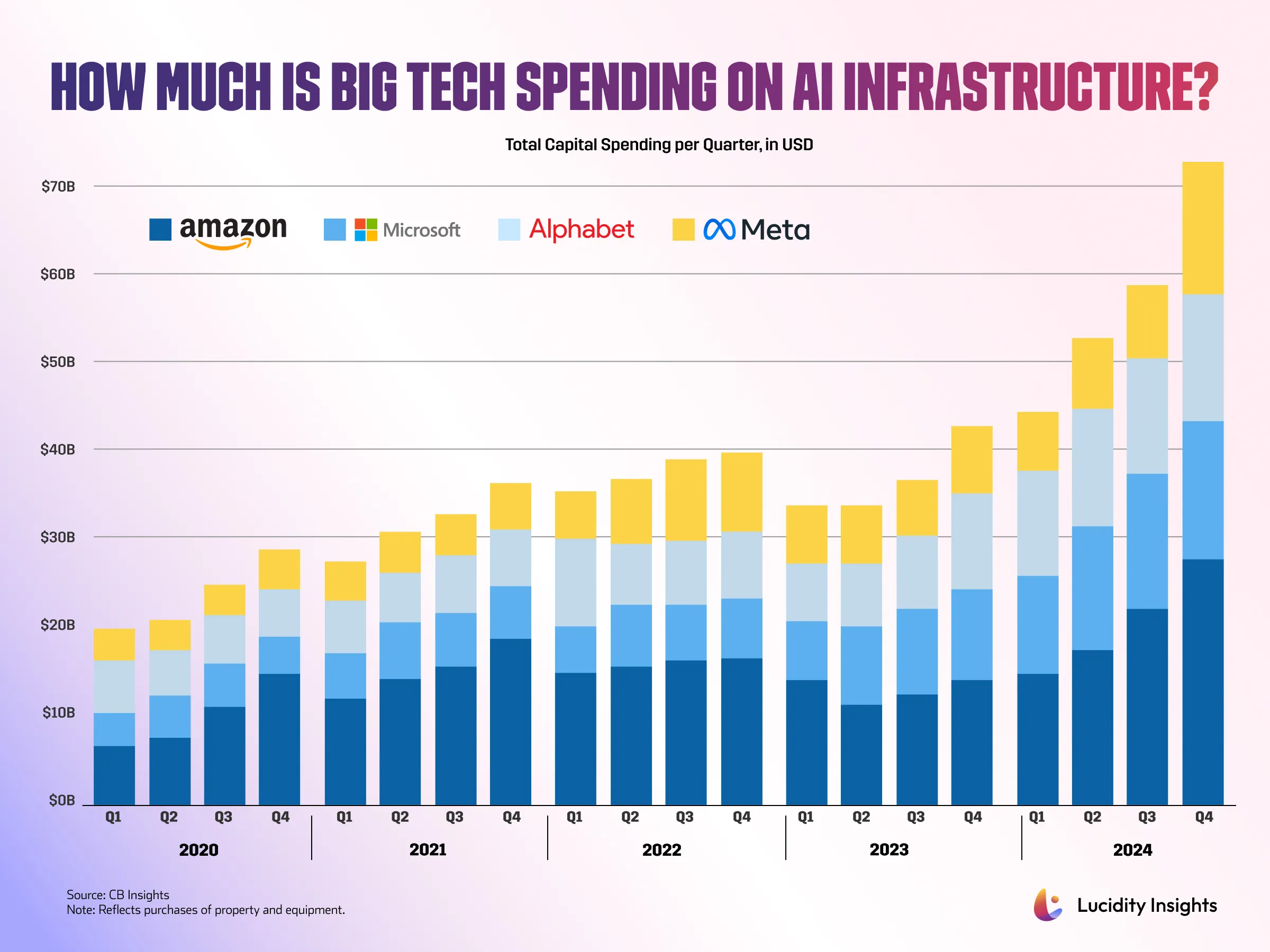
The core tension lies in the gap between base cost and actual utility. Building latest models requires a staggering amount of capital, which means the eventual software built on top of them has to generate massive speed gains just to break even. But software engineering doesn't get cheaper just because the underlying model is smarter. Small teams and independent builders know that real value comes from domain-specific execution, clean architecture. Also, solving specific human friction points, not from raw parameter counts.
If this trillion-dollar bet is going to pay off. The industry has to pivot away from vanity metrics and start delivering boring, dependable utility,. For what it's worth, this we need fewer trillion-parameter parlor tricks, to be fair, and more sturdy tools that genuinely reduce cognitive load for the people building things. Until the economics pencil out for the rest of us. And not just the chipmakers, this gold rush will look less like a revolution and more like an extraordinarily expensive game of musical chairs.









