Why Valve Is Right to Wait on the Steam Deck 2
Valve is taking its time with the Steam Deck 2, and in an industry addicted to annual hardware churn, that patience is refreshing....
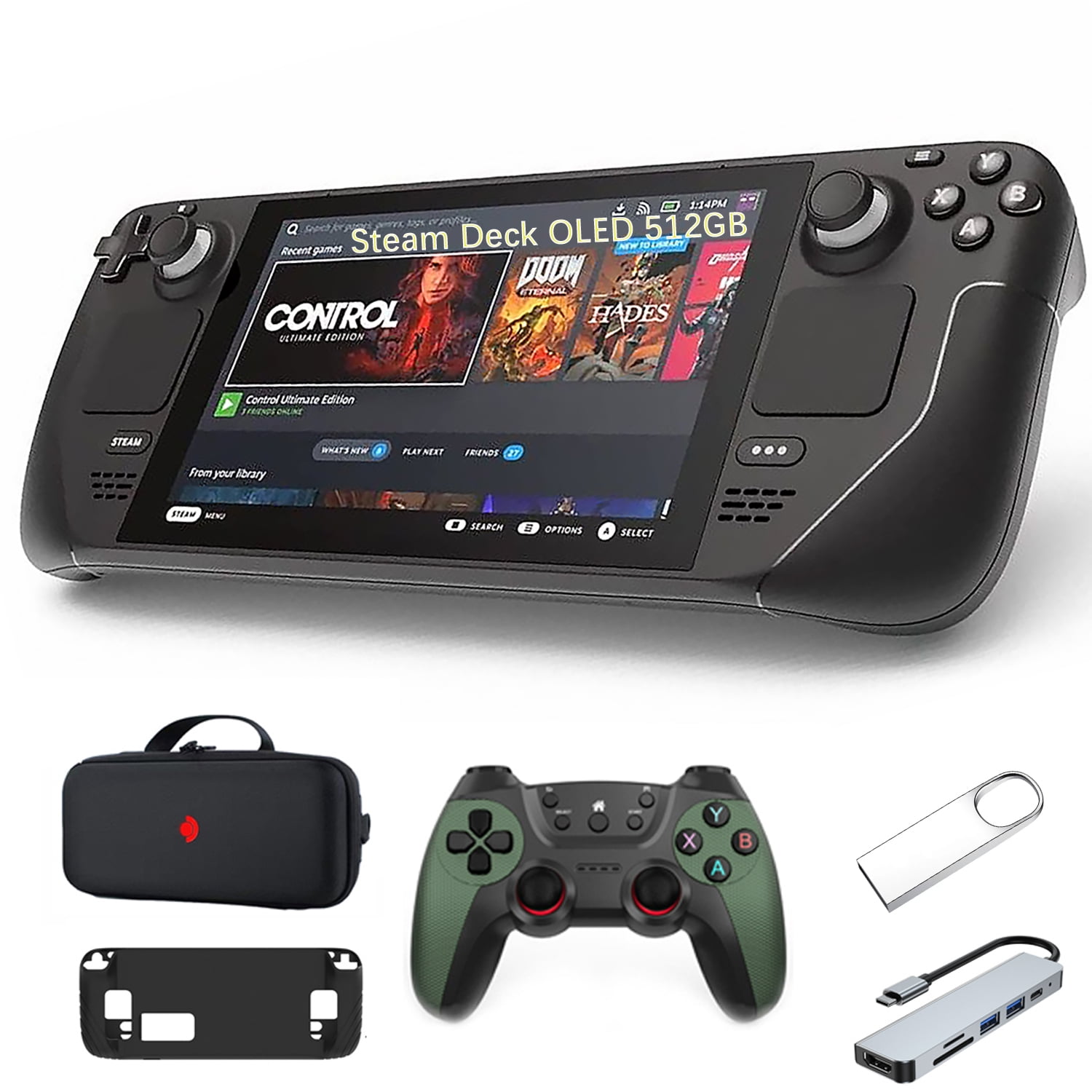
Every time a major tech company drops a new lineup, the hype cycle demands an immediate sequel. We've been trained to expect iterative upgrades every twelve months, whether there is a meaningful engineering leap to justify them or not. So when Valve's hardware team recently addressed the inevitable Steam Deck 2, their answer was surprisingly grounded: they are still figuring out how and when to deliver a true generational jump.
As someone who appreciates hardware built with actual intent rather than quarterly revenue targets, I find this restraint refreshing. Valve isn't interested in pushing out a minor spec bump just to capture holiday headlines. Handheld gaming PCs occupy a tricky intersection of thermal limits, battery chemistry, and architectural efficiency. Until silicon improves enough to offer a genuine leap in performance-per-watt without melting in your hands, rushing a successor is a fool's errand.

The original Steam Deck succeeded because it solved a hard usability problem and respected the player's library, not because it won raw benchmark wars. Trying to force a Steam Deck 2 before the underlying mobile tech matures would only compromise the form factor's best attributes: battery life, ergonomics, and pricing sanity. Real hardware innovation takes time, and iterating on software while letting the hardware ecosystem catch up is a smart play.
We could use a lot more of this mindset across the entire tech landscape. Too many products are rushed out to satisfy a content pipeline, leaving users to beta-test half-baked ideas. Valve's willingness to wait until they actually have something worth building is a masterclass in product discipline. Let the rest of the industry chase annual release cycles; I'd rather wait for a sequel that actually matters.