Why Pi 1.0 Gets Agent Tooling Right by Ignoring the Hype
Most AI tooling rots under the weight of its own feature creep. Pi 1.0 takes the opposite path, proving that restraint is the ultimate engineering feature....
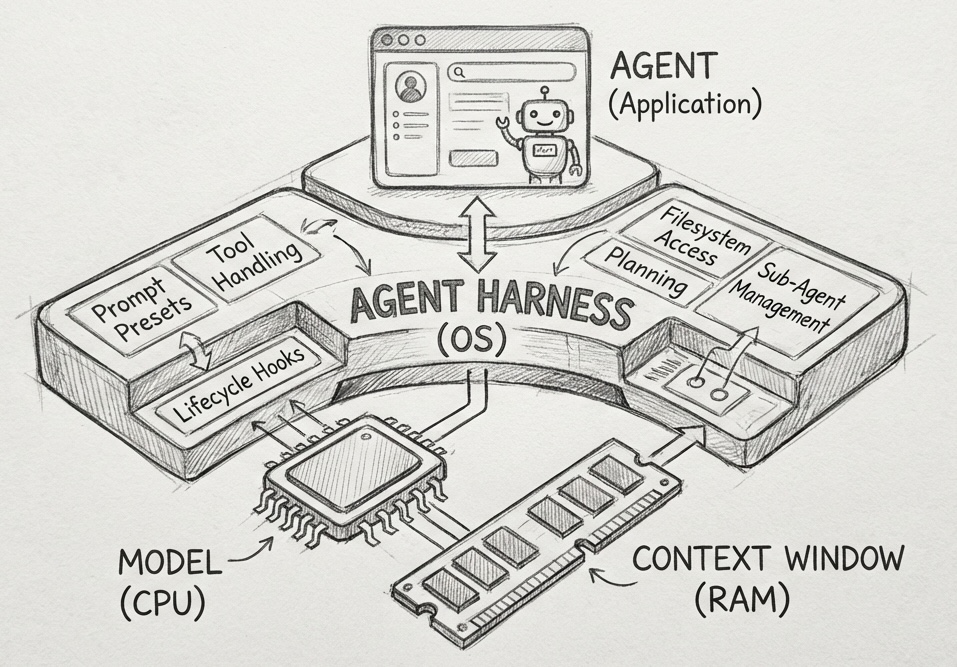
Every single week, a new framework promises to revolutionize how we build with AI. Half of them vanish before the documentation is even indexed, leaving developers to clean up the wreckage of bloated dependencies and half-baked abstractions. That is why watching Pi 1.0 drop feels remarkably refreshing. Earendil resisted the frantic temptation to chase each shiny object that crossed their timeline, choosing instead to wait out the noise and harden their agent use into something genuinely stable.
The core philosophy here is simple: hold the line. When you look under the hood of Pi 1.0, you see features that survived months of rigorous real-world friction rather than a desperate sprint to capture Hacker News attention. Native Model Context Protocol support, deferred tool loading, and transcript-aware mid-conversation system updates made the cut because they actually work. Everything else hit the cutting room floor. That kind of discipline is rare in modern software development.
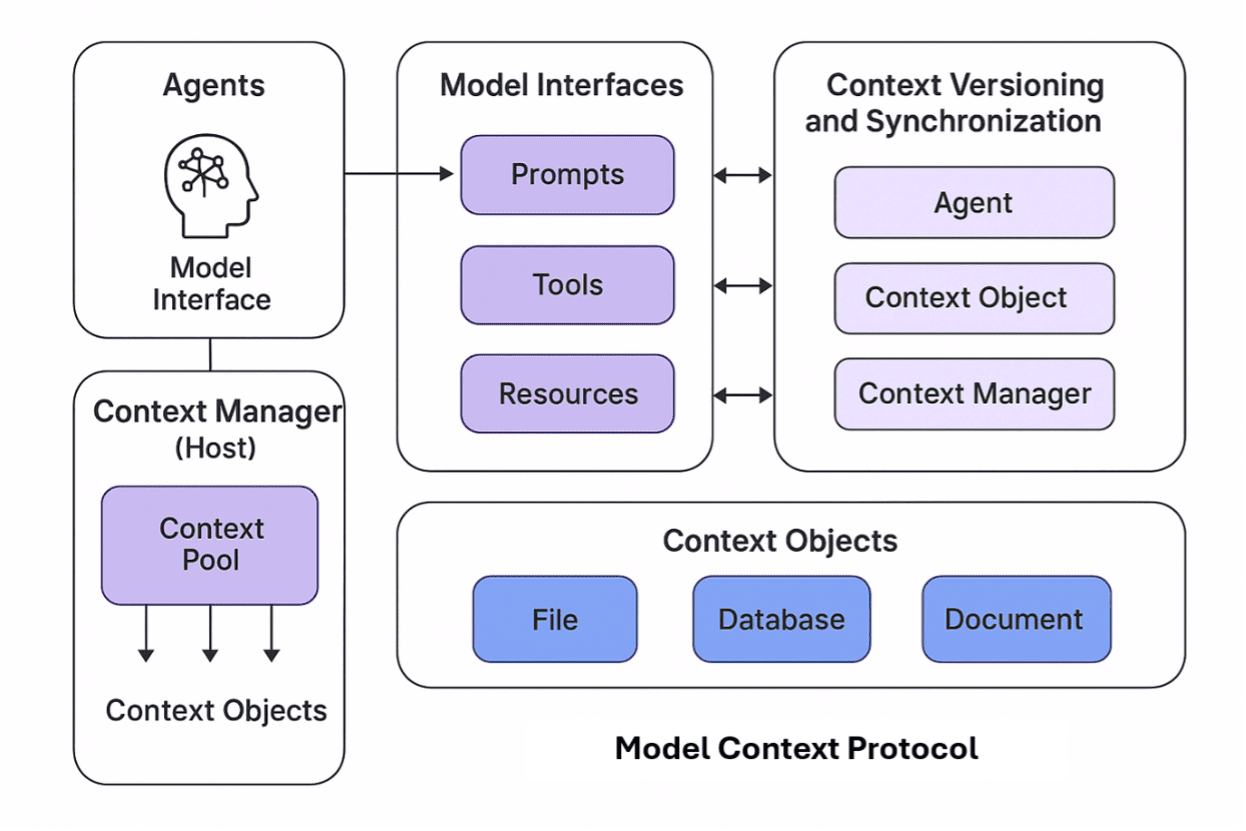
What impresses me most isn't just what they added, but how it feels to use. Despite landing major architectural upgrades like native MCP and cache warming for Anthropic models, the software still boots up with that familiar, stripped-down elegance. It doesn't scream for attention. It just gets out of your way and lets you work, proving a point we often forget in the rush to ship: powerful systems don't have to be chaotic monsters.
They also dropped Pi Durable alongside the main release, — oddly. Tackling the messy reality of long-running tasks and other way surfaces without bloating the original terminal experience. They avoided turning a great tool into a bloated Swiss Army knife — in a way. By keeping the experimental substrate separate from the lean core. If you care about building solid agentic software that actually stands the test of time, pay attention to what they did here.