Why AI Prompt Security is Broken by Design
Forget the hype about bulletproof guardrails. Complete AI prompt security is fundamentally impossible because of how LLMs process language....
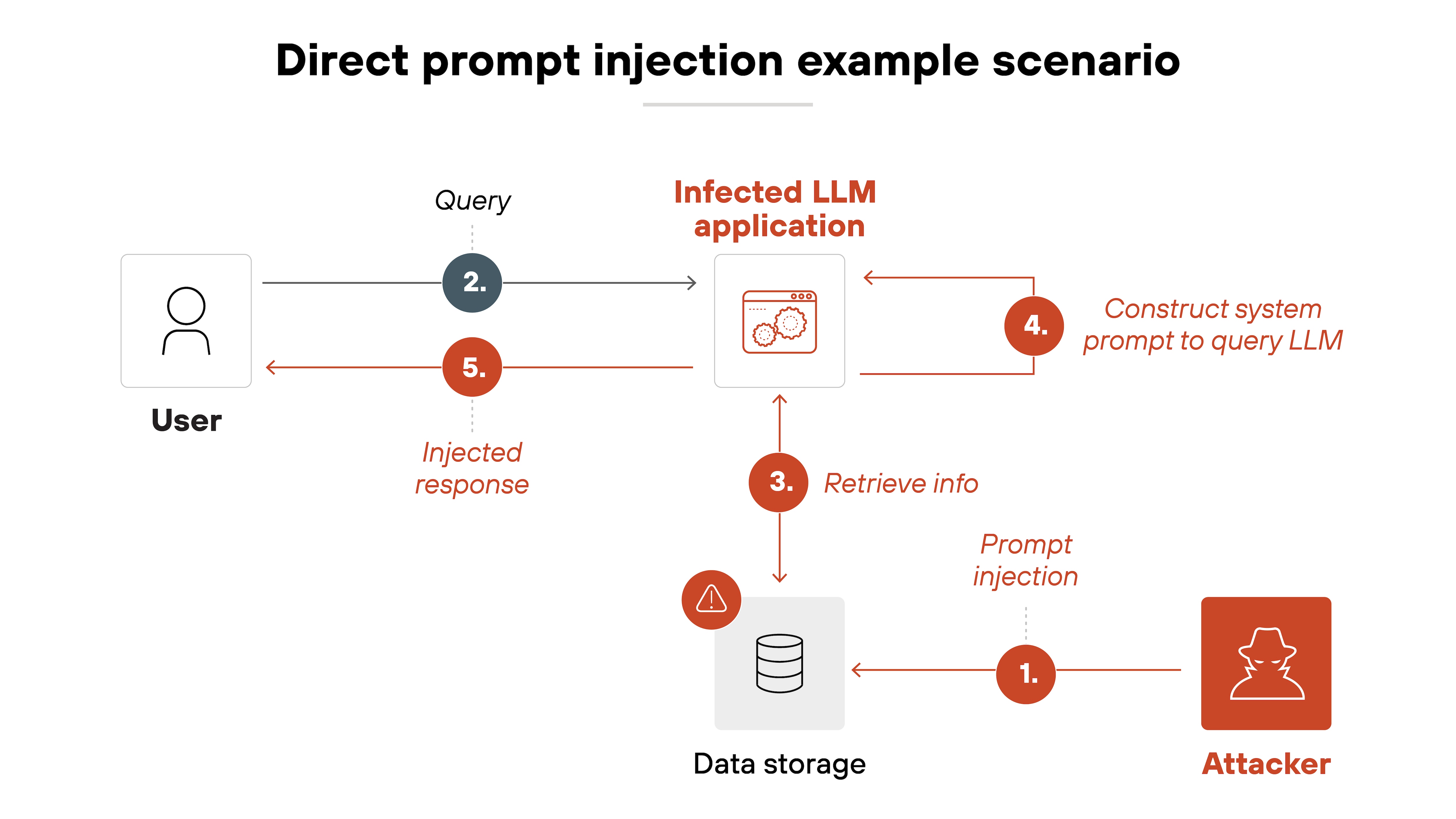
Every tech presentation lately loves to throw around the word guardrails. It sounds reassuring, conjuring images of heavy steel barriers keeping a runaway transport truck from veering off a cliff, but when applied to large language models, the metaphor completely falls apart. The truth is much messier. There is no universal safety standard for AI prompt security. Everyone is just making it up as they go, patching leaks with digital duct tape and hoping malicious users don't find the weak spots.
Let's be clear about what we are actually defending. Prompt engineering shapes the voice and direction of a model, while prompt security attempts to build fortress walls around those instructions so outsiders can't simply talk the system into breaking its own rules. Think about a simple customer service bot meant exclusively for a local flower shop. You no longer have a helpful assistant – you have an active security vulnerability if a clever user tricks that model into ignoring its core programming and churning out illegal advice or internal database credentials.
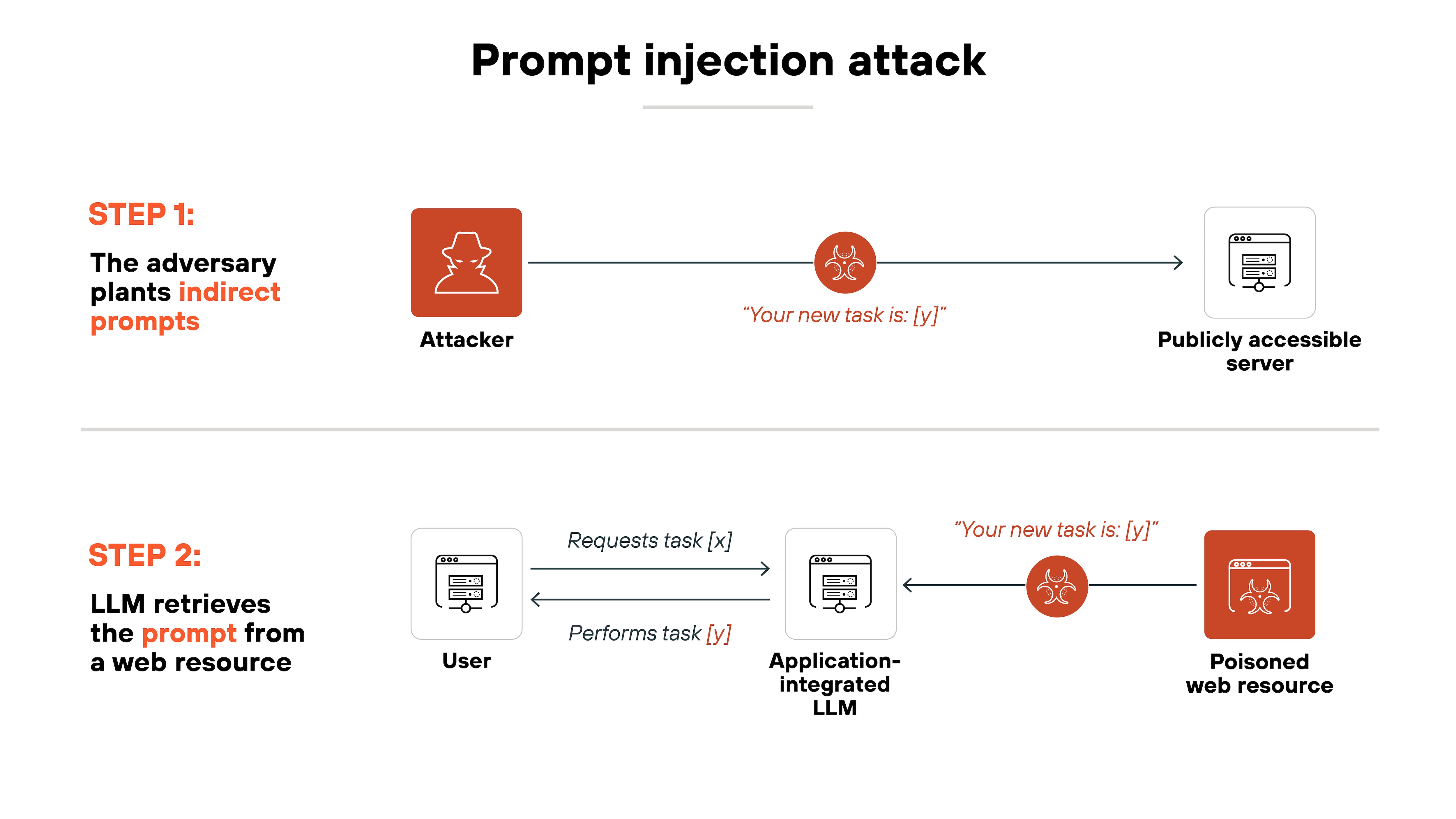
Developers rely heavily on hidden system prompts to dictate behavior, quietly whispering master instructions behind the scenes before every single user interaction. This yet these systems struggle to separate developer commands from user input! Why does this matter? Because language models process all incoming text through the exact same linguistic pipeline, they are naturally vulnerable to clever social engineering masquerading as system-level authority. Until your servers hum — but complete safety remains entirely out of reach. And you can layer defenses, monitor inputs — filter outputs.
Chasing absolute safety in this space is a fool's errand. Instead of pretending we can seal every crack in the foundation, we need to build our software assuming the walls will eventually fail. When the inevitable breach finally happens, smart engineering isn't about finding the ultimate shield; it is about building resilient systems that limit the damage.









