Why Ringg's AI Agents Signal a Real Shift in Customer Service
Ringg is handling millions of customer calls using AI agents, quietly proving that automated support can actually work without driving users insane....
Most automated customer support is garbage. You know it, I know it, and every frustrated human screaming 'representative' into a phone knows it. Companies throw together brittle IVR trees or half-baked chatbots hoping to shave pennies off their support overhead, completely ignoring the sheer misery they inflict on actual customers trying to solve a basic problem. But every so often, a piece of engineering comes along that forces a rethink. Look at what Ringg is pulling off right now.
By deploying voice and chat agents that actually resolve up to sixty-five percent of inbound requests, they're operating at a scale that demands respect – handling over seven million calls a month while maintaining genuinely high satisfaction scores. They didn't achieve this by lowering expectations or forcing users through maddening loops. They rebuilt the stack around high-efficiency models like OpenAI's GPT-5.6, slashing operating costs by ninety percent compared to older generations while keeping latency low enough for natural human conversation.

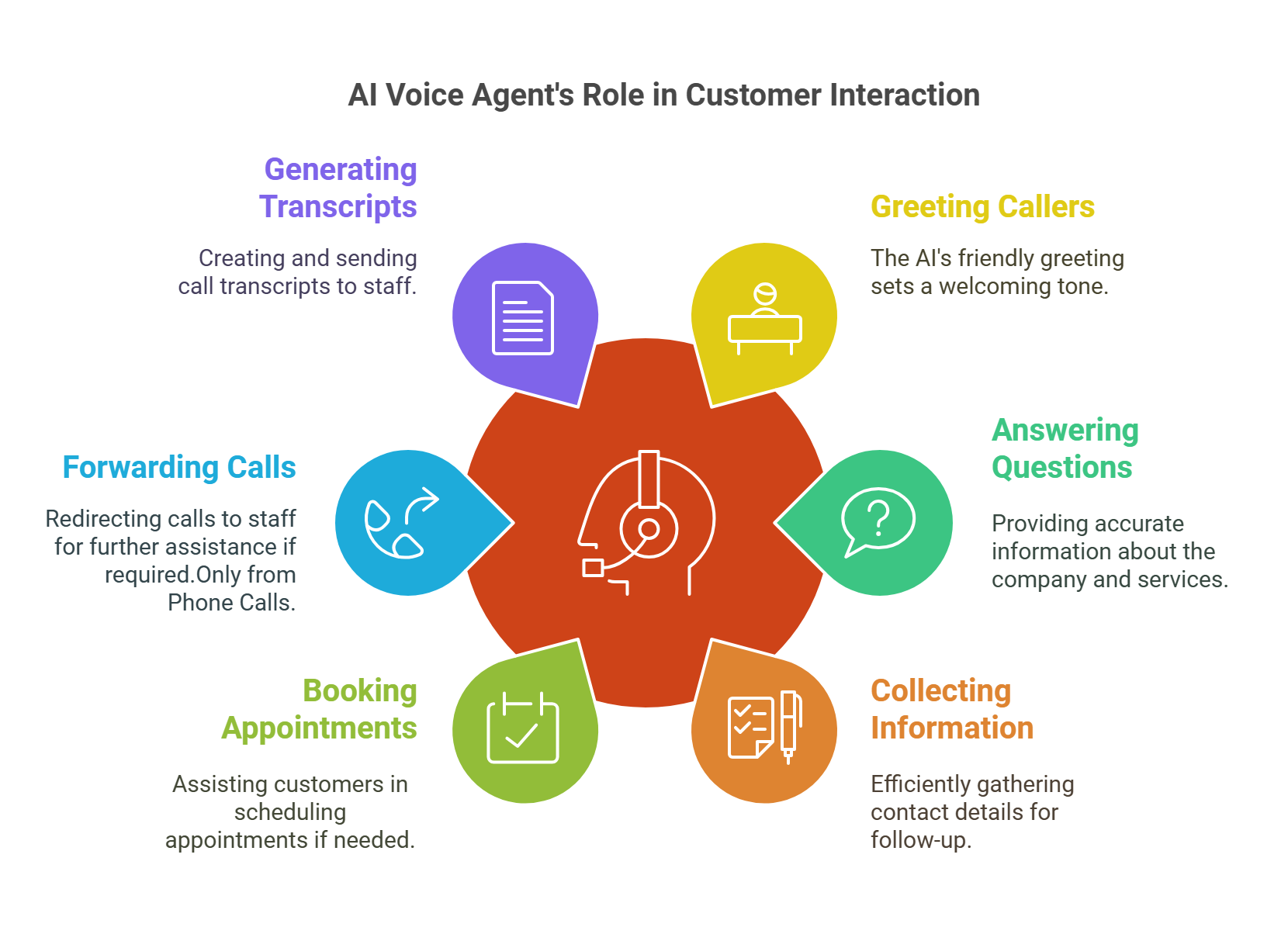
Here is what interests me as a builder: the real magic isn't just the raw LLM capability. It's the orchestration layer. An AI agent is completely useless if it can't interact with the messy, fragmented reality of enterprise software – updating a CRM, pulling an obscure policy document, or scheduling an appointment without breaking a sweat. Ringg built a system that handles tool execution, semantic retrieval, and multi-step workflows across voice, WhatsApp, and the web, smooth handing off context to a human specialist the exact moment things get too complex.
This points toward a much wider truth about where software is heading. We are moving past the era of flashy tech demos that fall apart under real-world pressure. The tools are finally getting reliable, fast, and cheap enough to build systems that actually work for businesses and their users. Also, cheap enough to build systems that actually work for businesses and their users. If you are still relying on ancient support funnels or manual teams drowning in repetitive tasks, you are already falling behind. The bar has been raised.









